

As concerns grow over children's screen time, many parents are turning to a smartwatch alternative to delay giving their kids a smartphone. The dilemma is real: how to stay connected with children as they gain independence without exposing them to the wild west of the internet.
In Spain, 90% of minors use internet-connected devices, and the risks of addictive patterns, cyberbullying, and inappropriate content are well-documented. But a growing number of families are finding a middle ground.
Find Original Home Decor sparking conversation at Grand Goldman Shop.

Why Parents Are Choosing Smartwatches Over Smartphones
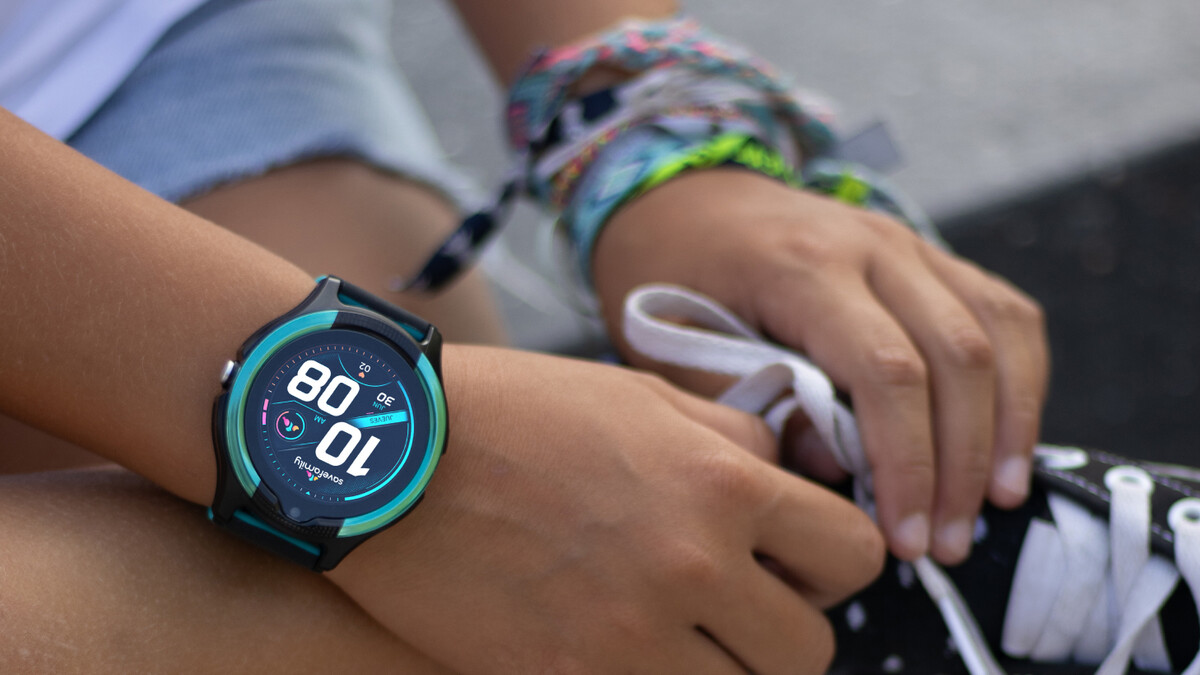
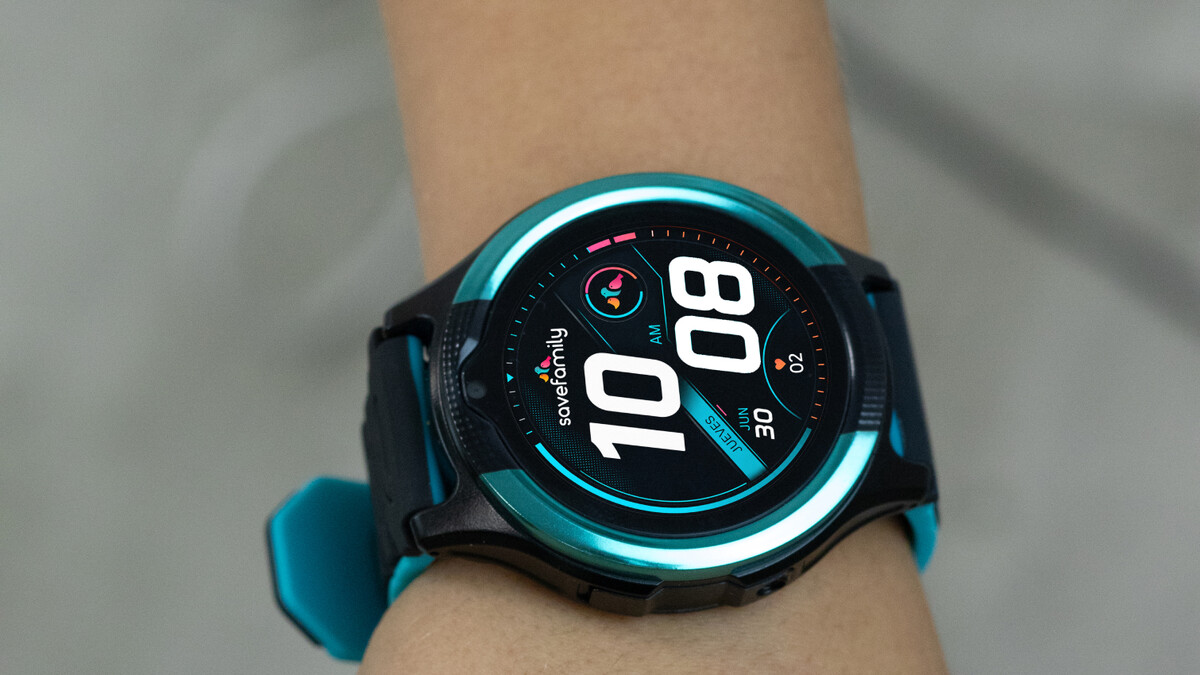
Smartwatches designed for kids offer basic communication features like calling and messaging, often limited to approved contacts. They provide peace of mind without opening the door to social media, recommendation algorithms, and endless scrolling.

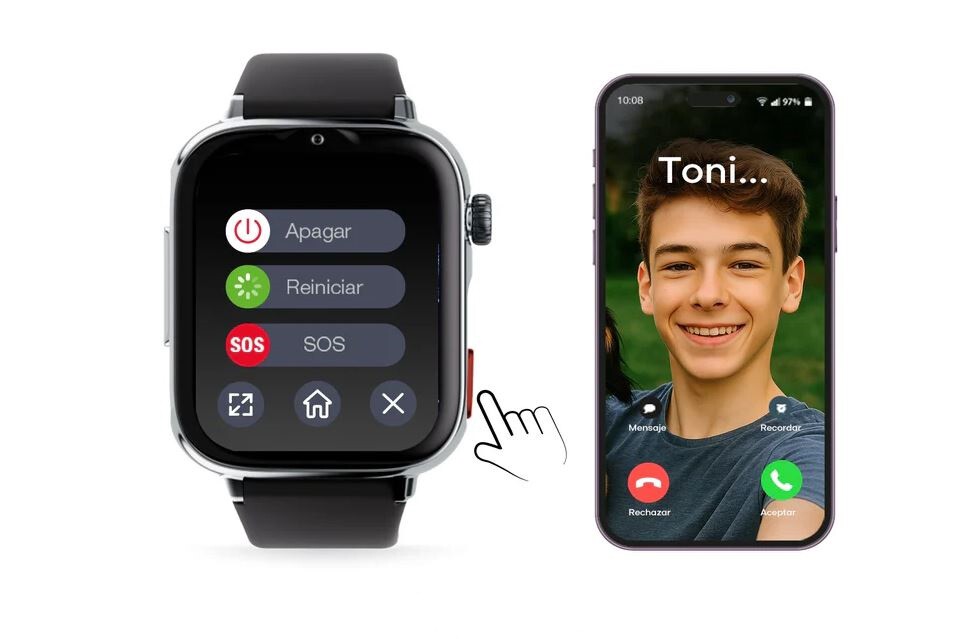
These devices typically include GPS tracking, SOS buttons, and sometimes even geofencing, allowing parents to know their child's location. This gives kids more autonomy while parents retain a safety net.
The Risks of Early Smartphone Adoption
Research shows that early exposure to smartphones can lead to attention issues, sleep disruption, and mental health challenges. The constant notifications and addictive design of social media apps are particularly concerning for developing brains.
Moreover, cyberbullying is a significant threat; a child with unrestricted internet access can be targeted at any time. By delaying the smartphone, parents reduce these risks substantially.
How Smartwatches Work as a Stepping Stone
Kids' smartwatches are not just gadgets; they are tools for gradual digital literacy. Parents can set up allowed contacts, monitor usage, and introduce features like text messaging slowly.
Some models even allow parents to disable features during school hours, ensuring focus remains on learning. This controlled environment helps children learn responsible device use without the overwhelm of a full smartphone.
Key Features to Look for in a Kids' Smartwatch
- GPS tracking with real-time location updates
- Two-way calling limited to approved contacts
- SOS emergency button for quick alerts
- Geofencing to set safe zones
- Waterproof design for active kids
- Long battery life to last through the school day
Comparison: Smartwatch vs. Basic Phone vs. Smartphone
| Feature | Kids' Smartwatch | Basic Phone | Smartphone |
|---|---|---|---|
| Calling/Texting | Yes (limited contacts) | Yes | Yes |
| GPS Tracking | Yes | No | Yes |
| Internet Access | No | No | Yes |
| Social Media | No | No | Yes |
| Parental Controls | Extensive | Limited | Moderate |
| Cost | Moderate | Low | High |
The table above highlights why smartwatches are an ideal middle ground. They offer essential connectivity and safety features without the distractions and dangers of a full smartphone.
Real-Life Impact: What Parents Are Saying
Many parents report that smartwatches have eased their anxiety about letting kids walk to school or play outside. Children feel more independent and responsible, knowing they have a way to reach their parents if needed.
However, some experts caution that smartwatches are still screen devices and should be used in moderation. Setting clear rules and modeling healthy screen habits is crucial. The background to this story is set out in Parents Delay Kids' First Smartphone: A Device That Helps. A related thread runs through Smartwatch for Kids: A Safe Alternative to a Smartphone. Earlier coverage in Outdoor Play Independence for Kids Boosts Confidence shows how the argument developed.
What to Watch Next in the Smartwatch Market
As demand grows, manufacturers are adding more features like fitness tracking, educational games, and even AI assistants. But parents should prioritize safety and simplicity over bells and whistles. A closer look at the same subject appears in Amazfit Balance 3 and Ultra: Smartwatches Built for Hyrox. Anyone following the wider picture can start with Discreet Health Trackers: Best Alternatives to a Smartwatch. The same theme surfaces in Online Networks Target Kids with Gamified Violence on Roblox, which takes a different angle.
Regulators are also paying attention. In Spain and elsewhere, there are ongoing discussions about protecting minors online, which may lead to stricter guidelines for kids' devices. Keeping an eye on these developments can help parents make informed choices. Context on how this played out before sits in RFK Jr Panel Overhaul Delays Kids Tobacco Cessation Help. A companion piece, 12 Hilarious Posts About Parenting For All The Sleep-Deprived Parents Out There, approaches the same subject from another angle.
FAQ
At what age should a child get a smartphone?
There is no one-size-fits-all answer, but many experts recommend waiting until age 12 or 13, when children have a better understanding of online risks. Parents should consider their child's maturity and needs.
Are smartwatches safe for kids?
Yes, when chosen carefully. Look for models with strong parental controls, no internet browsing, and GPS tracking. Always review privacy settings and ensure the device is from a reputable brand.
Can a smartwatch replace a phone for a child?
For basic communication and safety, yes. But as children grow and need more advanced features, a gradual transition to a phone may be necessary. Smartwatches serve as an excellent stepping stone.
How can I monitor my child's smartwatch usage?
Most kids' smartwatches come with companion apps that allow parents to see call logs, set allowed contacts, and manage features. Regularly check these and have open conversations about responsible use.
Browse the Shop
 Acacia frida deluxe solid wood bed frame |
Bedroom bench |
Bed chest drawers |
Lingerie dresser |
Frame base |
Mirror with jewelry storage |
30 Bathroom Vanity |
Memory foam queen mattress |
Mattresses for back pain |
Nightstand set of 2 |
Grand Goldman Shop |
Civil Lawyer
Deutschland Trikot WM 2026







