

The C-RAM (Counter Rocket, Artillery, and Mortar) system has become a defining sound in modern Middle Eastern conflicts, particularly in Baghdad. Its distinctive mechanical roar, often compared to the alien tripods in War of the Worlds, signals the immediate interception of incoming projectiles. This system, developed by the United States, is designed to protect bases and embassies from rocket, artillery, and mortar attacks, and its recent activation at the US embassy in Baghdad highlights its critical role in ongoing tensions.
What Is the C-RAM System and How Does It Work?
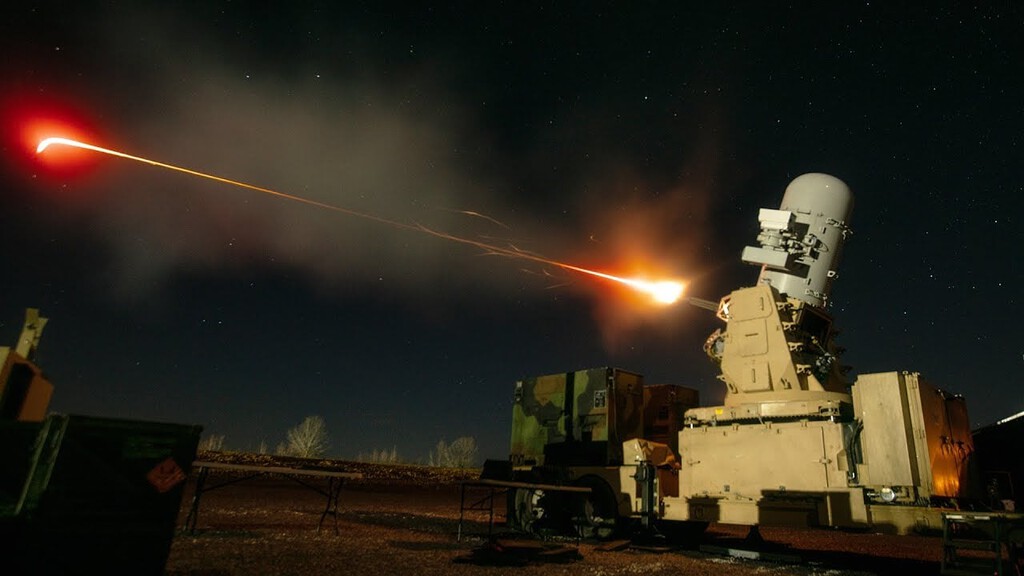
The C-RAM is a land-based weapon system that uses a 20mm Gatling gun to fire thousands of rounds per second at incoming threats. It is essentially a naval Phalanx Close-In Weapon System (CIWS) adapted for ground use. When a threat is detected, the system automatically tracks and engages it, creating a wall of fire to destroy the projectile before impact.
Find Original Home Decor sparking conversation at Grand Goldman Shop.

Its rate of fire is staggering—up to 4,500 rounds per minute—and the sound is often described as a giant mechanical saw cutting through the air. The system is equipped with radar and infrared sensors to detect and track multiple targets simultaneously, making it highly effective against rockets, artillery shells, and mortars.
Recent Activation at the US Embassy in Baghdad
Just days ago, the C-RAM system was activated at the US embassy in Baghdad when a Katyusha rocket attack was launched by Iranian-aligned Iraqi militias, according to Reuters. The system successfully intercepted one of the projectiles in mid-air, preventing it from reaching the diplomatic compound. This incident underscores the persistent threat faced by US installations in the region and the crucial role of the C-RAM in force protection.
The attack is part of a broader pattern of aggression by militia groups, and the C-RAM's response was both a defensive measure and a demonstration of US military capability. The sound of the C-RAM has become a familiar and feared indicator of such attacks, signaling both danger and defense.
Why the C-RAM Sound Is So Distinctive
The C-RAM's roar is unlike any other weapon. It is a continuous, mechanical buzz that can be heard for miles, often causing confusion and fear among those unfamiliar with it. Many who have heard it compare it to a chainsaw or a massive swarm of bees. This psychological impact is significant, as it not only warns of an attack but also reassures those under protection that the system is actively defending them.
However, the sound also has a downside: it can be deeply unsettling, especially for civilians living near protected areas. The sheer volume and unfamiliarity of the noise can cause panic, and in some cases, it has been mistaken for an explosion or an aircraft crash.
The Strategic Importance of C-RAM in Modern Warfare
In asymmetric warfare, where non-state actors use rockets and mortars to harass and inflict casualties, the C-RAM provides a critical layer of defense. It is particularly valuable for protecting high-value assets like embassies, airbases, and troop concentrations. Its ability to engage multiple threats simultaneously and its automated operation make it a force multiplier. The background to this story is set out in Serbia's TSMB M-25: 203mm Mortar on Truck Fires 100kg Shells. A related thread runs through Sheffield Steel Forges Ukraine Artillery Barrels in £61m Deal. Earlier coverage in Ukraine War: Sheffield Steel Artillery Barrels Ship to Kyiv's Gun shows how the argument developed.
However, the system is not without limitations. It has a relatively short range and can be overwhelmed by saturation attacks. Moreover, the falling debris from intercepted projectiles can still pose a risk to personnel and equipment on the ground. A closer look at the same subject appears in Middle East Conflict Impact on Maritime Workers and Ports. Anyone following the wider picture can start with Middle East Conflict Disrupts Maritime Workers and Ports. The same theme surfaces in Oil Price Surges Past $95 as Middle East Conflict Escalates, which takes a different angle.
Key Takeaways About the C-RAM System
- The C-RAM is a US-made defense system designed to intercept rockets, artillery, and mortars.
- It fires up to 4,500 rounds per minute, creating a distinctive mechanical roar.
- Recently activated at the US embassy in Baghdad during a Katyusha rocket attack.
- The sound is often compared to a giant saw or the alien machines in War of the Worlds.
- It provides critical protection for bases and embassies but has limitations against saturation attacks.
Comparison of C-RAM with Other Defense Systems
| System | Type | Rate of Fire | Effective Range | Primary Use |
|---|---|---|---|---|
| C-RAM | Close-in weapon system | 4,500 rounds/min | ~1-2 km | Point defense against rockets, artillery, mortars |
| Iron Dome | Missile defense system | N/A | 4-70 km | Area defense against rockets and missiles |
| Patriot | Surface-to-air missile system | N/A | Up to 160 km | Long-range defense against aircraft and missiles |
What to Watch Next
The C-RAM's recent activation in Baghdad is a reminder of the volatile security situation in the Middle East. As tensions with Iran and its proxies continue, the US military is likely to rely more on such defensive systems. The sound of the C-RAM may become even more common, serving as both a warning and a reassurance. Analysts will be watching for further attacks and the effectiveness of the C-RAM in preventing casualties and damage. Context on how this played out before sits in Middle East Rail Megaproject Faces Drone Threat in Conflict Zone. A companion piece, UK Inflation Hits 3.6% as Energy Prices Rise on Middle East Conflict, approaches the same subject from another angle.
FAQ
What does C-RAM stand for?
What does C-RAM stand for?
C-RAM stands for Counter Rocket, Artillery, and Mortar. It is a system designed to detect and destroy incoming indirect fire threats.
Why is the C-RAM sound so terrifying?
The C-RAM fires thousands of rounds per minute, creating a loud, mechanical roar that is often compared to a giant saw or alien machines from movies. Its unfamiliarity and volume can cause fear and confusion.
Has the C-RAM been used in Iraq recently?
Yes, just days ago, the C-RAM was activated at the US embassy in Baghdad to intercept a Katyusha rocket attack. The system successfully destroyed one projectile in mid-air.
What are the limitations of the C-RAM?
The C-RAM has a short range and can be overwhelmed by multiple simultaneous threats. Additionally, falling debris from intercepted projectiles can still cause damage or injuries.







