

Who brought wine to Spain has been a debated question for years, but a new study of 28 ancient seeds has finally resolved it. The research, conducted by the University of Valencia and the CSIC, analyzed DNA from grape seeds found in archaeological sites across the Iberian Peninsula and Sardinia, dating from the Iron Age to the Middle Ages.
The findings reveal that cultivated vines arrived in Spain around 3,000 years ago, long before the Roman conquest. These vines came from the eastern Mediterranean, likely through maritime trade routes, and quickly interbred with wild varieties already growing in the region. This study sheds light on the deep history of winemaking in Spain, one of the world's largest wine producers today.
Find Original, High-end Home Decor that spark conversation at Grand Goldman Shop.
The Mystery of Wine's Arrival in Spain
For decades, researchers have pieced together the history of Iberian viticulture using oral traditions, archaeological remains, and written records. However, these methods left gaps in the story of how wine culture took root in Spain. The new genetic study, published by a team from the University of Valencia (UV), the Institute of Grapevine and Wine Sciences (ICVV-CSIC), and the Institute of History (IH-CSIC), offers a clearer picture.

By extracting DNA from 28 ancient grape seeds, the researchers were able to trace the genealogical tree of the vines that still produce wine today. The seeds came from sites in the Iberian Peninsula and Sardinia, spanning from the Iron Age to the Middle Ages. This broad temporal and geographic range allowed the team to identify when and how cultivated vines first appeared in Spain.
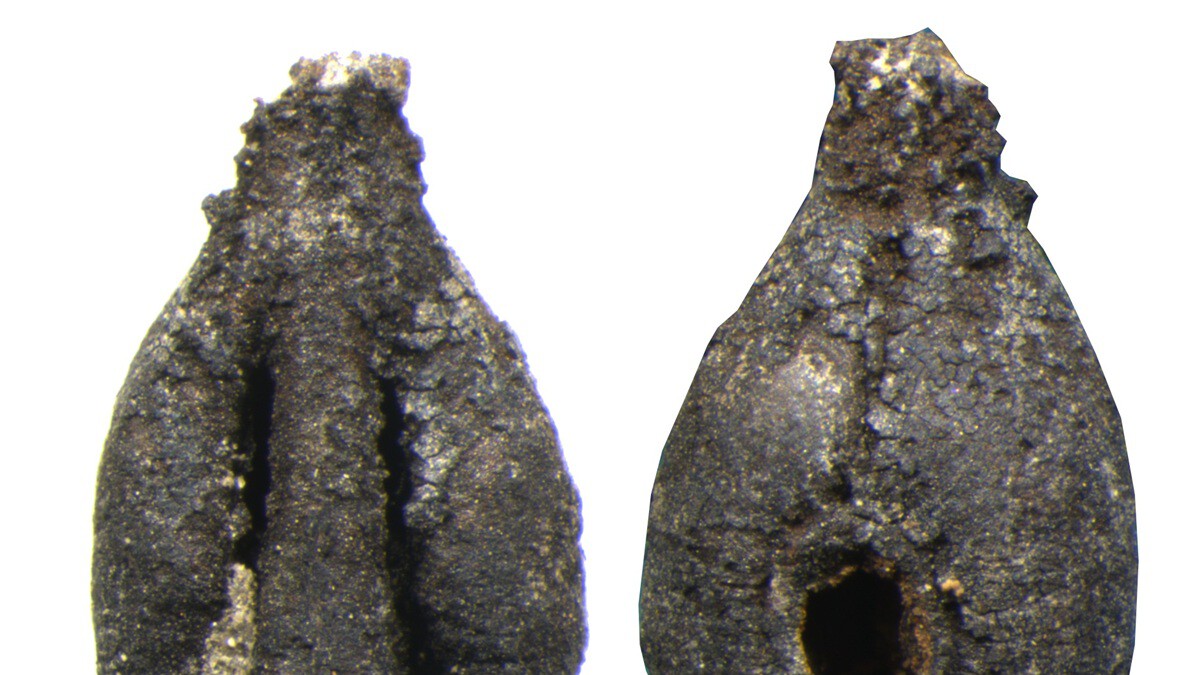
Key Findings from the Seed Analysis
The study produced several surprises. One of the most significant is that at least one wine variety has been continuously cultivated in the Iberian Peninsula for over a thousand years. This suggests a remarkable continuity in viticulture that has survived centuries of political and social change.
Another key finding is that the first cultivated vines arrived around 3,000 years ago, well before the Romans began their conquest of Hispania in the Second Punic War. These vines came from the eastern Mediterranean and were likely brought by seafaring traders. Once established, they crossbred with local wild vines, leading to the rich diversity of grape varieties we see today.
- Cultivated vines reached Spain about 3,000 years ago, predating Roman conquest.
- The vines originated in the eastern Mediterranean and arrived via maritime trade.
- They interbred with wild local varieties, creating unique Iberian grapes.
- At least one wine variety has been cultivated in Spain for over 1,000 years.
- DNA analysis of 28 ancient seeds provided the evidence for these conclusions.
Why This Matters for Wine Lovers
This research does more than satisfy historical curiosity. It deepens our understanding of the genetic heritage of modern Spanish wines. Many of the grape varieties used today, such as Tempranillo, Garnacha, and Albariño, may have roots that trace back to these ancient crossbreedings. Knowing this can help winemakers and consumers appreciate the long journey of each bottle.
Moreover, the study highlights the importance of preserving old vineyards and traditional grape varieties. Some of these ancient lineages might carry traits that are valuable for adapting to climate change or resisting diseases. By understanding the past, the wine industry can better prepare for the future.
How the Study Was Conducted
The researchers faced a challenge: extracting DNA from ancient seeds is difficult because DNA degrades over time. They used advanced techniques to recover genetic material from the 28 seeds, which were carefully selected from museum collections and archaeological digs. The seeds were dated using radiocarbon and contextual evidence.
The DNA was then compared with modern grape varieties to build a family tree. This approach allowed the team to pinpoint when cultivated vines first appeared and how they spread. The inclusion of seeds from Sardinia helped distinguish between local developments and imported varieties.
| Location | Time Period | Key Finding |
|---|---|---|
| Iberian Peninsula | Iron Age to Middle Ages | First cultivated vines arrived ~3,000 years ago from eastern Mediterranean |
| Sardinia | Iron Age to Middle Ages | Provided comparative data to trace vine movement |
| Modern Spain | Present day | At least one variety cultivated for over 1,000 years |
What This Means for Spanish Wine History
The study challenges the assumption that the Romans were the first to bring cultivated vines to Spain. While the Romans certainly expanded viticulture, the new evidence shows that wine culture was already established centuries earlier. This aligns with other archaeological findings, such as ancient wine presses and amphorae, which suggest early winemaking in the region.
It also raises questions about the role of Phoenician and Greek traders, who were active in the Mediterranean during the first millennium BCE. These seafarers likely played a key role in transporting vines and winemaking knowledge. The genetic evidence supports the idea that trade networks were crucial for the spread of agriculture.
The Role of Wild Vines
Wild grapevines (Vitis vinifera subsp. sylvestris) were already present in the Iberian Peninsula before cultivated varieties arrived. The study found that these wild vines interbred with the imported ones, leading to new genotypes. This hybridization may have helped the cultivated vines adapt to local conditions, giving rise to varieties that are uniquely Spanish. Context on how this played out before sits in Spain Opens Door to Work Accident Status for DANA Adam Victims. A companion piece, Austria Excavator Finds 1 Ton of Prehistoric Iron Bars, approaches the same subject from another angle.
This process of crossbreeding is not unique to Spain; it happened in other wine regions as well. But the Iberian Peninsula's isolation and diverse climate may have accelerated the development of distinct varieties. Today, Spain boasts over 100 native grape varieties, many of which are the result of ancient hybridization events. The background to this story is set out in Trending: latest articles. A related thread runs through Spain's 10% Hospitality VAT Under EU Scrutiny: What It Means.
Looking Ahead: What to Watch Next
The researchers plan to expand their study to include more seeds from other regions and time periods. They hope to trace the origins of specific varieties and understand how winemaking techniques evolved. Such studies could also inform modern viticulture by identifying ancient genes that confer resistance to drought or pests. Earlier coverage in Spain's 91-Year-Old Mayor Seeks Re-Election in 2027 shows how the argument developed. A closer look at the same subject appears in Best Phones for Seniors in 2026: Simple, Big-Button and Easy to Use.
For wine enthusiasts, this research adds a layer of appreciation to every glass of Spanish wine. It connects the present to a past where traders, farmers, and nature itself collaborated to create a cultural treasure. As the study of ancient DNA advances, we can expect more revelations about the history of wine, one of humanity's oldest beverages. Anyone following the wider picture can start with Aérotrain: France's 430 km/h Hovertrain That Never. The same theme surfaces in France's 1857 Pine Forest: A Million Hectares Now Unmanageable, which takes a different angle.
FAQ
Who brought wine to Spain according to the new study?
The study indicates that cultivated vines were brought to Spain around 3,000 years ago from the eastern Mediterranean, likely by seafaring traders such as the Phoenicians or Greeks. This predates the Roman conquest.
How did the researchers determine the origins of Spanish wine?
They analyzed DNA from 28 ancient grape seeds found in archaeological sites in the Iberian Peninsula and Sardinia, dating from the Iron Age to the Middle Ages. By comparing this ancient DNA with modern varieties, they built a genetic family tree.
What is the significance of the 1,000-year-old wine variety?
It shows that some grape varieties have been continuously cultivated in Spain for over a millennium, highlighting a remarkable continuity in winemaking traditions despite historical upheavals.
How does this study affect modern Spanish wines?
It reveals the deep genetic roots of many modern varieties, which can help winemakers understand their heritage and potentially identify traits useful for adapting to climate change.
Browse the Shop
 Acacia frida deluxe solid wood bed frame |
Bedroom bench |
Bed chest drawers |
Lingerie dresser |
Frame base |
Mirror with jewelry storage |
30 Bathroom Vanity |
Memory foam queen mattress |
Mattresses for back pain |
Nightstand set of 2 |
Grand Goldman Shop |
Civil Lawyer
Deutschland Trikot WM 2026










