

China's strategic investment in STEM education over four decades has positioned it as a formidable contender in the global AI race. By producing millions of engineers, the country has built a deep talent pool that fuels innovation and economic growth.
The Origins of China's STEM Push
After Mao Zedong's death, Deng Xiaoping's reforms included the "Four Modernizations," with science and technology as a cornerstone. In 1988, Deng declared that science and technology are "primary productive forces," setting the stage for massive educational investment.
Find Original Home Decor sparking conversation at Grand Goldman Shop.

This long-term vision focused on rebuilding education with an emphasis on STEM fields, creating a pipeline of skilled professionals that would later drive China's tech ambitions.
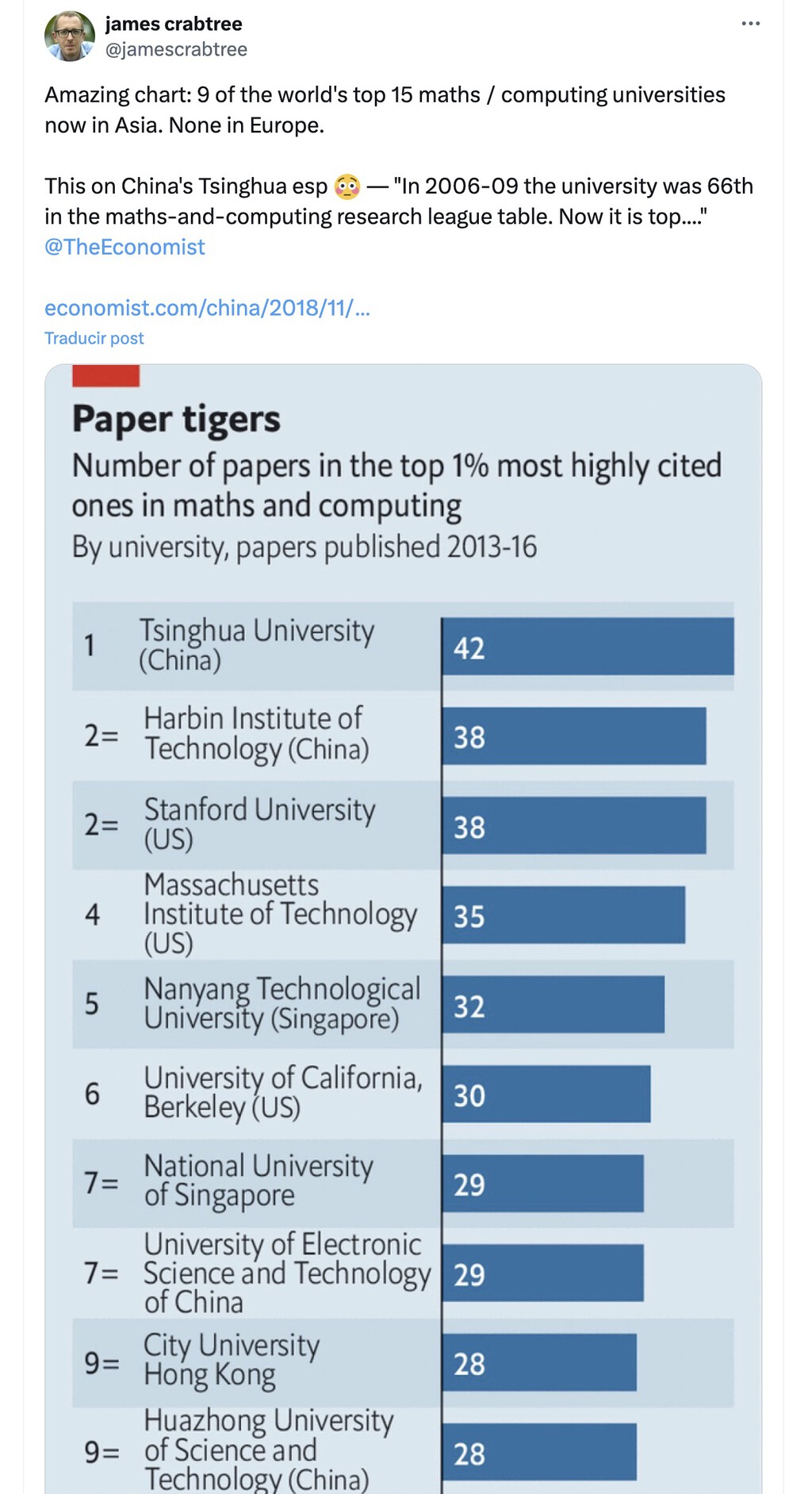
The Hai Gui Phenomenon: Reverse Brain Drain
Starting in 1978, China sent vast numbers of students to Western universities to study engineering, physics, chemistry, and mathematics. Many returned as "hai gui" (sea turtles), bringing back expertise and inspiration to Chinese institutions.

These returnees helped elevate Chinese universities to world-class status, fostering a culture of innovation and research excellence that continues to attract top talent.
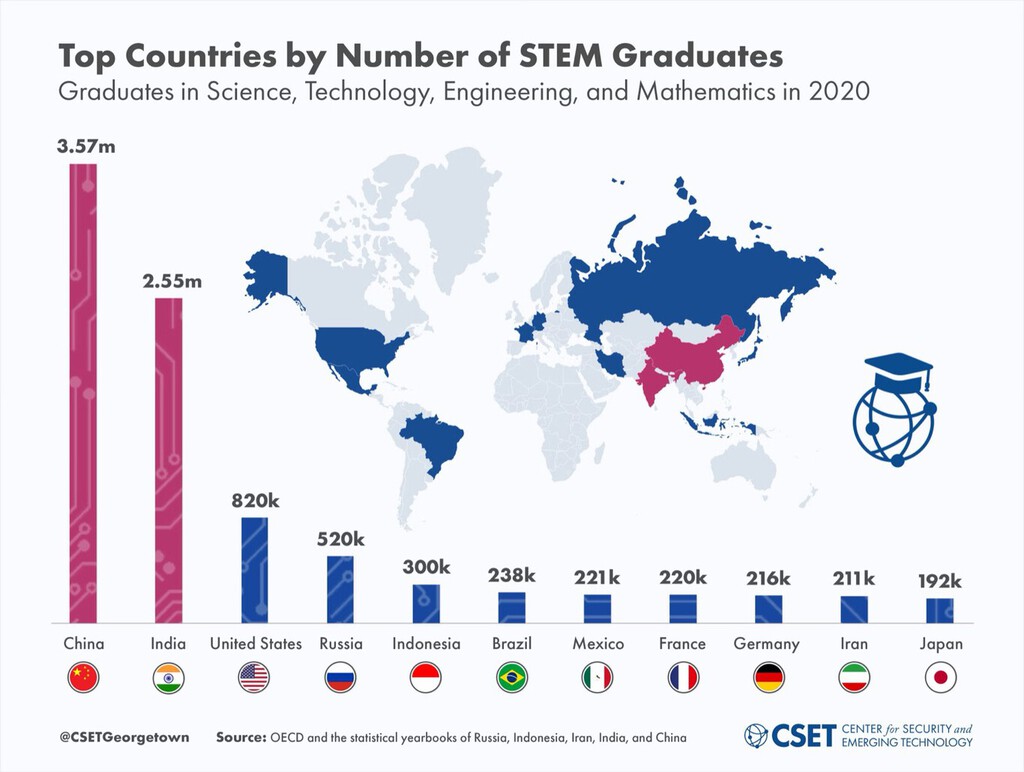
Scale of STEM Graduates: A Competitive Edge
By 2020, China produced approximately 3.57 million STEM graduates, according to CSET. This overwhelming number dwarfs many other nations and provides a massive workforce for AI development.
Among these graduates, a new elite of AI engineers has emerged, driving advancements in machine learning, computer vision, and natural language processing.
Key Takeaways
- China's STEM strategy began in the late 1970s under Deng Xiaoping.
- The "hai gui" phenomenon brought back Western-trained expertise.
- China graduates millions of STEM students annually, creating a vast talent pool.
- This pipeline gives China a significant advantage in AI research and application.
- Elite AI engineers are emerging from this system, fueling innovation.
Comparing STEM Output: China vs. Other Nations
| Country | STEM Graduates (2020) | AI Engineers (Estimated) |
|---|---|---|
| China | 3.57 million | ~1 million |
| United States | ~800,000 | ~300,000 |
| India | ~2.5 million | ~500,000 |
| European Union | ~1.5 million | ~200,000 |
Note: AI engineer estimates are approximate and based on industry reports.
Why This Matters for the AI Race
China's sheer volume of STEM graduates ensures a steady supply of researchers and engineers for AI companies. This scale enables rapid experimentation and deployment of AI technologies across industries.
Moreover, the returning "hai gui" have established strong ties with global research communities, facilitating knowledge transfer and collaboration. The background to this story is set out in UK AI Race: Wary Nation Struggles to Catch Up in Global Tech. A related thread runs through AI Regulation Debate Heats Up 2028 Democratic Primary Race. Earlier coverage in China's Free AI Model Threatens US Lead in AI Race shows how the argument developed.
Challenges and Future Outlook
Despite the advantages, China faces challenges such as retaining top talent and fostering original innovation. However, the foundation laid over decades is likely to sustain its AI ambitions. A closer look at the same subject appears in Trump's AI Deregulation Gamble: David Sacks and the Global Race. Anyone following the wider picture can start with AI Arms Race Disaster: Why Europe's Regulation Is the Only Hope. The same theme surfaces in Ai Video: latest articles, which takes a different angle.
As AI becomes more central to economic and military power, China's STEM strategy will continue to be a key pillar of its national competitiveness. Context on how this played out before sits in China AI and Humanoid Robots: Beijing Warns Against Blind Investment. A companion piece, China's Humanoid Robot Market Dominance: 97% of Global Shipments, approaches the same subject from another angle.
FAQ
What is the "hai gui" phenomenon?
"Hai gui" refers to Chinese students who studied abroad and returned to China, bringing back advanced knowledge and skills that helped develop China's tech sector.
How many STEM graduates does China produce?
In 2020, China produced approximately 3.57 million STEM graduates, according to CSET, the largest number in the world.
Why is China's STEM education important for AI?
A large pool of STEM graduates provides the manpower needed for AI research and development, giving China a competitive edge in the global AI race.
When did China start focusing on STEM education?
The focus began in the late 1970s under Deng Xiaoping's reforms, which emphasized science and technology as key to modernization.
Browse the Shop
 Acacia frida deluxe solid wood bed frame |
Bedroom bench |
Bed chest drawers |
Lingerie dresser |
Frame base |
Mirror with jewelry storage |
30 Bathroom Vanity |
Memory foam queen mattress |
Mattresses for back pain |
Nightstand set of 2 |
Grand Goldman Shop |
Civil Lawyer
Deutschland Trikot WM 2026







