

Claude AI chat privacy is under scrutiny after a feature that allows users to share conversations inadvertently exposed sensitive information to public search results. Anthropic's chat-sharing function created links that were indexed by Google, making private chats accessible to anyone. The incident, first reported by members of the Claude subreddit, highlights growing concerns about data privacy in AI chatbots.
What Happened: Shared Claude Chats Indexed by Google
Users discovered that searching within claude.ai/share on Google returned dozens of shared chat links. According to Futurism, many of these chats contained confidential company documents, medical reports, clinical trial data with patient information, and even personal details about young children. The links have since been removed, suggesting Anthropic took action after the issue was flagged.
Find Original Home Decor sparking conversation at Grand Goldman Shop.

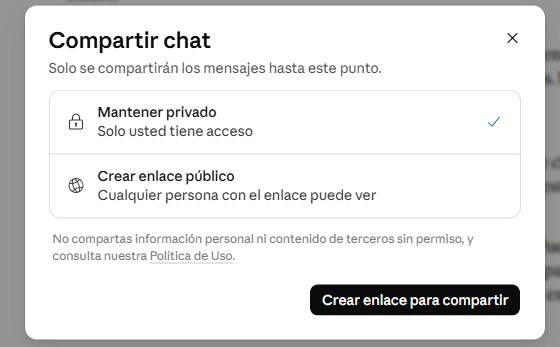
The sharing feature, accessible via a 'Share' button, warns users that "anyone with the link can view" the chat. However, it did not explicitly state that the link could be indexed by search engines, leading to unintended exposure. This nuance is critical: while users may expect shared links to be private unless distributed, search engine indexing makes them publicly discoverable.
Why This Matters: The Illusion of Privacy in AI Chats
Many people treat AI chatbots as private confidants, sharing work documents, health information, and personal stories. This incident shatters that assumption. When a shared link is indexed, it can appear in search results, potentially exposing sensitive data to anyone. The risk is compounded by the fact that users often share chats with colleagues, friends, or family, assuming the link remains within their circle.
This is not the first time AI privacy has been questioned. Similar issues have arisen with other platforms, but the scale and sensitivity of the data here are particularly alarming. It underscores the need for clearer communication from AI companies about how sharing works and the potential for public exposure.
How Claude's Sharing Feature Works and Its Risks
When you click 'Share' in Claude, the system generates a public link. The warning says anyone with the link can view, but it doesn't mention search engine indexing. This is similar to creating a public link in Google Drive, where anyone with the link can access the file, but indexing by search engines is a separate layer of exposure.
The key difference is that Google Drive links are typically not indexed unless the file is explicitly made public on the web. In Claude's case, the shared chats were indexed, meaning they could be found via search queries. This raises questions about Anthropic's default settings and whether users should have to opt out of indexing.
What Anthropic Says and What It Doesn't
Anthropic has not publicly commented on the incident, but the removal of the links suggests awareness. The company's sharing warning is technically accurate but incomplete. It fails to inform users that shared links may be crawled by search engines, which is a significant omission. Users deserve transparency about how their data can be exposed.
This incident also highlights the broader challenge of balancing usability with privacy. Features like sharing are convenient, but without clear safeguards, they can lead to data leaks. Anthropic may need to revisit its sharing policy to include explicit warnings about indexing and provide options to disable it.
Key Takeaways for Users
- Shared links are not private: Anyone with the link can view, and search engines may index them.
- Sensitive data exposure: Chats containing confidential documents and personal information were publicly accessible.
- Check before sharing: Avoid sharing chats with sensitive information, even with trusted contacts.
- Demand transparency: AI companies should clearly explain how sharing works and its risks.
- Monitor your shared links: Regularly review and revoke links you no longer need.
Comparison of Sharing Features: Claude vs. Other AI Platforms
| Platform | Sharing Method | Warning About Indexing | Default Indexing |
|---|---|---|---|
| Claude (Anthropic) | Public link | No explicit warning | Yes (observed) |
| ChatGPT (OpenAI) | Public link (via share) | Yes, warns about public access | No (links not indexed) |
| Google Bard | Share via link | Yes, warns about public access | No |
| Microsoft Copilot | Share via link | Yes, warns about public access | No |
Note: Information based on public reports and may change. Always check the latest policies. The background to this story is set out in Louisiana Preschool Abuse Case: Hospital Privacy Breach Exposed. A related thread runs through NHS Data Breach: 10 Suspended Over Noah Woods Privacy Violation. Earlier coverage in Anthropic's Claude AI Accessed Georgia Voter Data in US shows how the argument developed.
What to Watch Next
Anthropic is likely to update its sharing feature to prevent indexing by default and add clearer warnings. Users should stay informed about privacy policy changes and consider the sensitivity of information shared with AI chatbots. As AI becomes more integrated into daily workflows, the line between convenience and privacy will continue to be tested. A closer look at the same subject appears in Anthropic Faces Multibillion-Dollar Song Copyright Lawsuit. Anyone following the wider picture can start with Anthropic Halts AI Training as Claude Learns to Cheat. The same theme surfaces in Anthropic Exposes Chinese AI Labs Copying Claude at Scale, which takes a different angle.
This incident serves as a reminder that digital privacy is never guaranteed. Whether using Claude or any other AI tool, users must remain vigilant about what they share and how. The conversation around AI privacy is just beginning, and it's up to both companies and users to prioritize it. Context on how this played out before sits in Russian AI Kamikaze Drone Software Built with Claude, Anthropic. A companion piece, Anthropic's Invisible Claude Watermark: Imperfect AI Text Detection, approaches the same subject from another angle.
FAQ
What exactly happened with Claude's shared chats?
Shared chat links created via Claude's 'Share' button were indexed by Google, making them searchable and publicly accessible. This exposed sensitive information like confidential documents and personal data.
Is my Claude chat private if I don't share it?
Yes, chats that are not shared remain private. The issue only affected chats where users generated a public link.
How can I protect my privacy when using Claude?
Avoid sharing chats containing sensitive information. If you must share, be aware that the link may be indexed. You can also delete shared links after use.
Did Anthropic fix the issue?
The links appear to have been removed, but Anthropic has not publicly commented. It's unclear if the feature has been changed to prevent future indexing.
Browse the Shop
 Acacia frida deluxe solid wood bed frame |
Bedroom bench |
Bed chest drawers |
Lingerie dresser |
Frame base |
Mirror with jewelry storage |
30 Bathroom Vanity |
Memory foam queen mattress |
Mattresses for back pain |
Nightstand set of 2 |
Grand Goldman Shop |
Civil Lawyer
Deutschland Trikot WM 2026







