

Europe is quietly emerging as a contender in the global humanoid robot race, even as China and the United States dominate headlines. While the spotlight often falls on Chinese manufacturers and American startups like Figure, Tesla, and 1X Robotics, seven European companies are betting on humanoids with a distinctly different playbook.
Instead of chasing venture capital rounds, European robotics firms are partnering with industrial giants such as Schaeffler, BMW, Renault, and Fincantieri. These manufacturers act as investors, suppliers, and first customers—testing robots in real factories before scaling up.
Find Original, High-end Home Decor that spark conversation at Grand Goldman Shop.
Why Europe's Humanoid Robot Strategy Stands Out
The European approach to humanoid robots is rooted in industrial collaboration, not Silicon Valley-style fundraising. In the US, companies like Figure and Tesla secure massive venture rounds to develop general-purpose humanoids. In China, state-backed initiatives and tech giants push aggressive timelines.
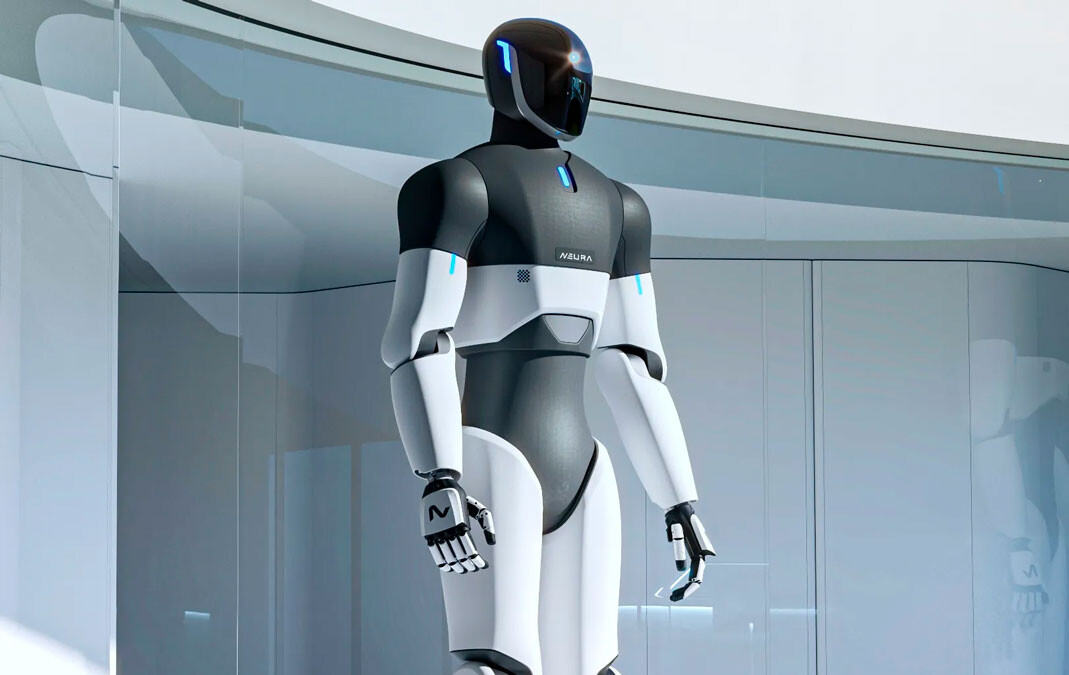
Europe, by contrast, relies on deep manufacturing expertise. Automakers, shipbuilders, and component suppliers are co-developing robots tailored to specific tasks. This hands-on model reduces risk and accelerates real-world deployment.
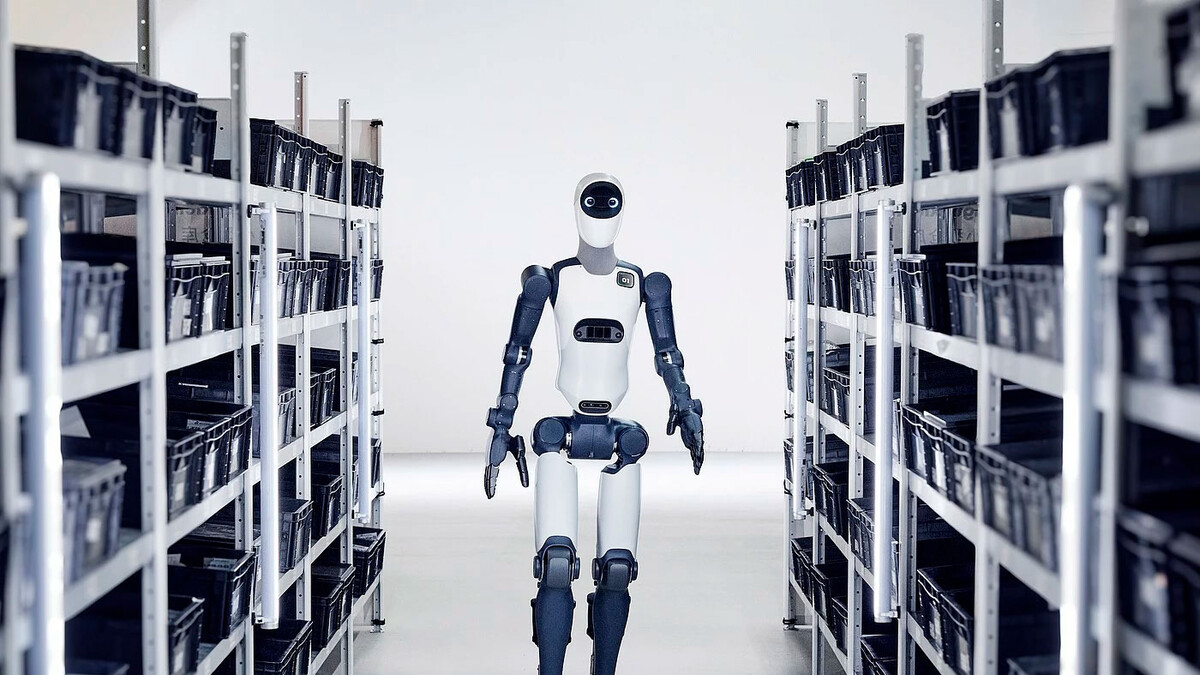
- Industry-led funding: Manufacturers invest directly in robotics startups, ensuring alignment with factory needs.
- Real-world testing: Robots are deployed in actual production lines early, providing valuable feedback.
- Supply chain integration: Investors often supply components, creating a tight ecosystem.
- Customer-first mindset: The same companies that invest also buy the robots, guaranteeing initial demand.
- Focus on practical applications: European humanoids target specific industrial tasks rather than general-purpose hype.
The Schaeffler Model: Investor, Supplier, and Customer
German automotive supplier Schaeffler exemplifies Europe's integrated approach. It invested in NEURA Robotics, supplies components for its humanoid robots, and then purchases the finished robots for use in its own factories.
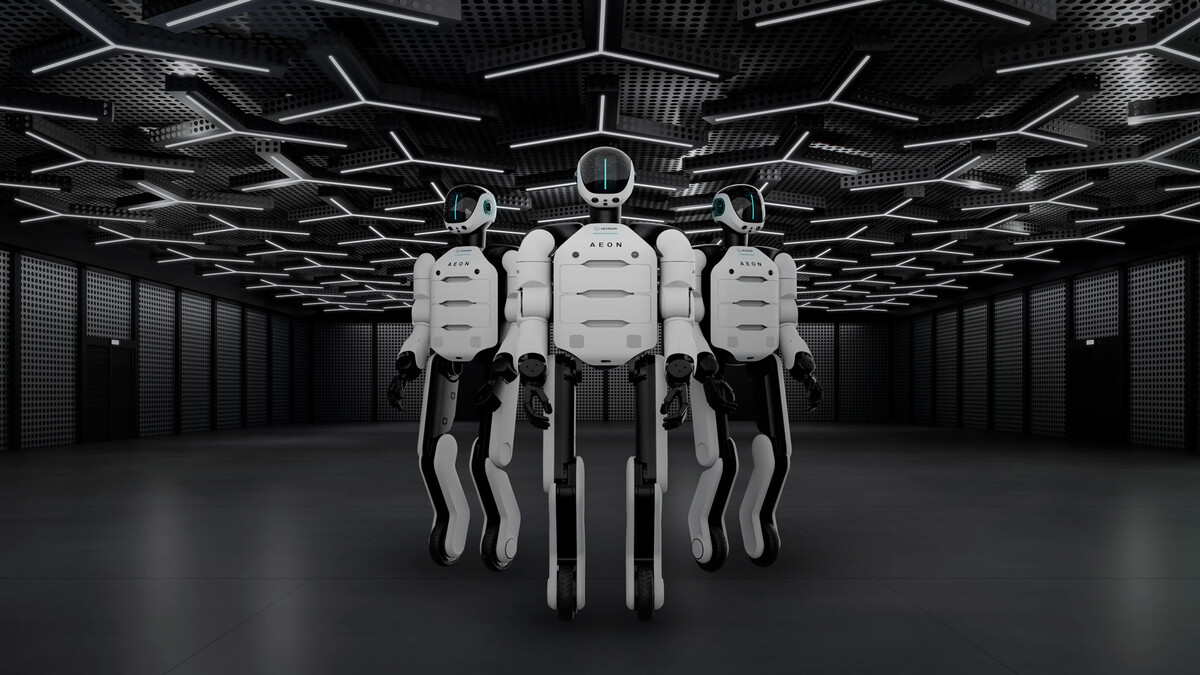
This triple role—investor, supplier, and customer—creates a virtuous cycle. NEURA gains stable funding and a ready market, while Schaeffler secures advanced automation and a return on its investment. Similar arrangements are emerging across the continent.
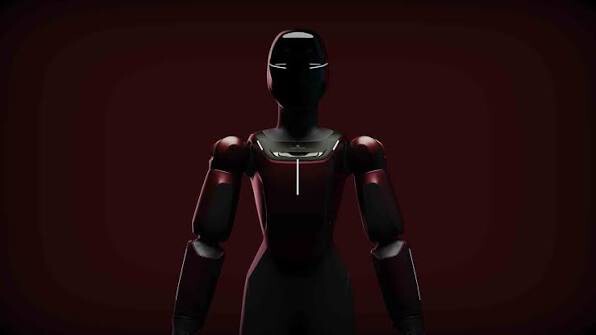
Renault is working with Wandercraft, a French company known for exoskeletons, to develop humanoid robots for automotive manufacturing. Fincantieri, the Italian shipbuilder, partners with Generative Bionics to deploy robots in shipyards. These collaborations show how European industry is weaving humanoids into its core operations.
How Europe's Model Compares to China and the US
The table below summarizes key differences in the humanoid robot strategies of Europe, China, and the US.
| Aspect | Europe | China | United States |
|---|---|---|---|
| Primary funding source | Industrial partnerships | State support and tech giants | Venture capital |
| Key players | NEURA Robotics, Wandercraft, Generative Bionics | UBTech, Xiaomi, Fourier Intelligence | Figure, Tesla, 1X Robotics |
| Deployment focus | Factories, shipyards, automotive | Manufacturing, logistics, service | General-purpose, logistics, home |
| Investor involvement | High (investors are also customers) | Moderate | Low (investors are financial) |
| Time to market | Gradual, via pilot programs | Fast, with government backing | Variable, driven by hype cycles |
What This Means for the Global Humanoid Robot Market
Europe's industry-led model may not generate the same buzz as Chinese or American efforts, but it offers a pragmatic path to commercialization. By embedding robots in existing supply chains, European companies can iterate quickly and prove value in demanding environments.
This approach also mitigates risk. Instead of betting on a single general-purpose humanoid, European manufacturers focus on specific use cases where robots can deliver immediate ROI. That could give them an edge in reliability and adoption.
However, challenges remain. Europe lags in AI software and large-scale data collection, areas where US and Chinese firms excel. The continent also lacks a unified regulatory framework for robotics, which could slow cross-border deployment.
The Road Ahead for European Humanoids
Despite these hurdles, Europe's humanoid robot ambitions are gaining traction. The involvement of established industrial players provides credibility and resources that pure startups often lack. The background to this story is set out in China's Humanoid Robot Race: Progress, Pitfalls, and Promise. A related thread runs through China's Humanoid Robot Market Dominance: 97% of Global Shipments. Earlier coverage in China AI and Humanoid Robots: Beijing Warns Against Blind Investment shows how the argument developed.
As NEURA Robotics, Wandercraft, and others mature, their robots will likely appear in more factories and shipyards. Success in these niches could pave the way for broader applications, from logistics to healthcare. A closer look at the same subject appears in Unitree Humanoid Robot Shares Surge 600% on Market Debut. Anyone following the wider picture can start with UBTech Opens World's Largest Humanoid Robot Factory in China. The same theme surfaces in FCC Bans Humanoid Robots from China Over National Security Risks, which takes a different angle.
For now, Europe's role in the humanoid race is less about flashy demos and more about steady integration. That might not make headlines, but it could prove decisive in the long run. Context on how this played out before sits in FCC Bans Chinese Humanoid Robots Over National Security Risks. A companion piece, US Bans Chinese Humanoid Robots Citing National Security Risks, approaches the same subject from another angle.
FAQ
Which European companies are developing humanoid robots?
Seven European companies are active in humanoid robotics, including NEURA Robotics (Germany), Wandercraft (France), and Generative Bionics (Italy). These firms often partner with industrial manufacturers for funding and deployment.
How does Europe's funding model differ from the US and China?
Europe relies on industrial partnerships where manufacturers invest, supply components, and buy robots. The US depends on venture capital, while China benefits from state support and tech giants. This makes Europe's approach more integrated with real-world applications.
What role does Schaeffler play in humanoid robotics?
Schaeffler invested in NEURA Robotics, supplies components, and purchases robots for its factories. This triple role exemplifies Europe's collaborative model, ensuring both funding and demand.
Can Europe compete with China and the US in humanoid robots?
Europe's industry-led strategy offers a pragmatic path to commercialization, focusing on specific industrial tasks. While it may lack the hype of US and Chinese efforts, it could lead to reliable, widely adopted robots.
Browse the Shop
 Acacia frida deluxe solid wood bed frame |
Bedroom bench |
Bed chest drawers |
Lingerie dresser |
Frame base |
Mirror with jewelry storage |
30 Bathroom Vanity |
Memory foam queen mattress |
Mattresses for back pain |
Nightstand set of 2 |
Grand Goldman Shop |
Civil Lawyer
Deutschland Trikot WM 2026










