

Gen Z uses AI more than any other generation, yet a new Gallup study reveals they trust it the least. The survey, conducted with Bentley University, shows a sharp decline in AI optimism among young workers, with nearly half of Gen Z saying AI complicates their work.
Just two years ago, AI was hailed as the savior of modern work—freeing us from boring tasks and securing jobs. But the latest data suggests that promise remains unfulfilled, and the very generation that embraced AI most enthusiastically is now leading the backlash.
Find Original Home Decor sparking conversation at Grand Goldman Shop.

Gen Z's AI Enthusiasm Cools as Trust Declines
According to the Gallup and Bentley University survey, 39% of U.S. employees now believe AI does more harm than good, up from 31% a year earlier. Only 9% think AI brings real benefit to their work, down from 12% twelve months ago.
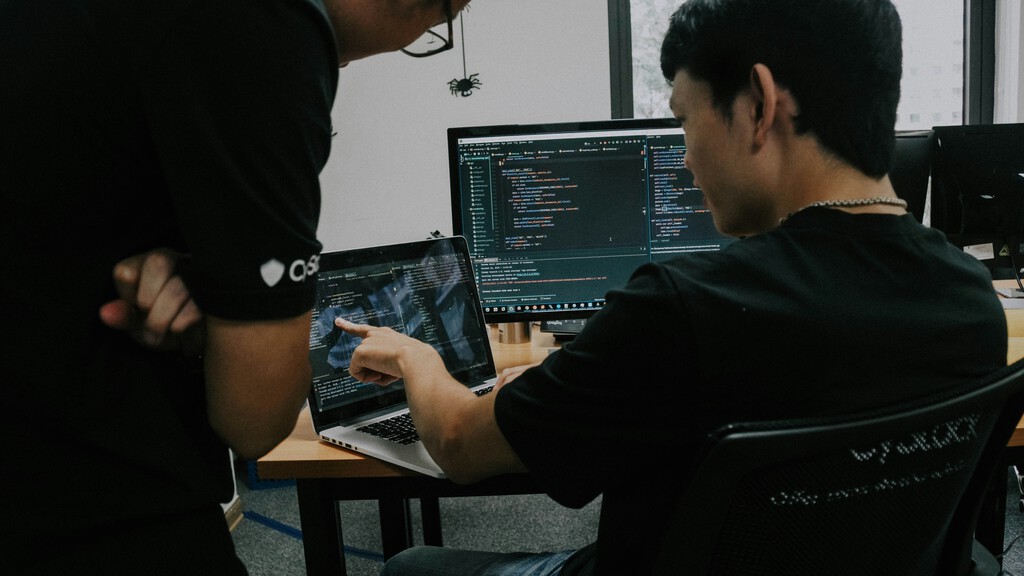
The shift is even more dramatic among 18- to 29-year-olds. Almost half (47%) of Gen Z believe AI makes their job more complicated—an 11-point increase in just one year. This group uses AI the most, yet distrusts it the most.
Why? Because they are also the most likely to be replaced by AI. That fear is fueling skepticism, even as they rely on the technology daily.
Why Heavy AI Users Trust It Less
The Gallup study confirms a counterintuitive trend: the more employees use AI, the less convinced they are of its benefits. This paradox challenges the assumption that familiarity breeds trust.
Instead, hands-on experience reveals AI's limitations—errors, biases, and a lack of true understanding. For Gen Z, who grew up digital natives, AI's flaws are glaringly obvious.
They see AI as a tool that often creates more work: fixing mistakes, rewriting outputs, and managing its shortcomings. That reality clashes with the utopian promises they were sold.
Key Findings from the Gallup Study
- 39% of U.S. employees believe AI does more harm than good, up from 31% last year.
- Only 9% say AI brings real benefit to their work, down from 12%.
- 47% of Gen Z (18-29) think AI complicates their job, up 11 points in a year.
- Gen Z uses AI the most but trusts it the least.
- Fear of job replacement drives skepticism among young workers.
AI Adoption vs. Trust: A Generation Gap
The data reveals a clear generation gap: while Gen Z uses AI extensively, their trust in it is plummeting. Older generations, who use AI less, remain more optimistic.
This divide has implications for workplace training and AI implementation. Companies must address Gen Z's concerns to foster adoption and avoid a productivity backlash.
| Generation | AI Usage | Trust in AI | % Saying AI Complicates Work |
|---|---|---|---|
| Gen Z (18-29) | Highest | Lowest | 47% |
| Millennials (30-44) | Moderate | Moderate | ~35%* |
| Gen X (45-60) | Lower | Higher | ~25%* |
| Baby Boomers (61+) | Lowest | Highest | ~15%* |
*Estimates based on overall trends; exact figures not provided in source.
What This Means for the Future of AI in Offices
The Gallup findings should serve as a wake-up call for business leaders. Pushing AI without addressing employee concerns will only deepen distrust. The background to this story is set out in Ai Video: latest articles. A related thread runs through Spain's Vineyards Are Disappearing: Can Genetic Engineering Save Wine.
Instead, companies need transparent conversations about AI's role, its limitations, and how it complements—not replaces—human work. Gen Z's skepticism is a signal, not a setback. Earlier coverage in Juan Vicente Vegazo: The Pioneer Who Discovered a Roman City shows how the argument developed. A closer look at the same subject appears in Tacoma Narrows Bridge Collapse: How It Changed Engineering Forever.
As AI continues to evolve, winning back trust will require more than flashy demos. It demands honesty, reliability, and a focus on augmenting human skills rather than automating them away. Anyone following the wider picture can start with Hotel Housekeeper Fired for Six Paper Rolls: €60,318 Cost. The same theme surfaces in European Bees Lost a Third of Their Range in a Century, which takes a different angle.
FAQ
What did the Gallup study reveal about Gen Z and AI?
The Gallup study found that 47% of Gen Z believe AI complicates their work, an 11-point increase from the previous year. Despite being the heaviest users of AI, they are also the most skeptical of its benefits.
Why does Gen Z distrust AI more than other generations?
Gen Z's distrust stems from their heavy usage, which exposes AI's flaws, and their fear of being replaced by AI. As the generation most vulnerable to automation, they see AI as a threat to their jobs.
How many employees think AI does more harm than good?
According to the survey, 39% of U.S. employees believe AI does more harm than good, up from 31% a year earlier. Only 9% think AI brings real benefit to their work.
What can companies do to rebuild trust in AI?
Companies should have transparent discussions about AI's limitations and focus on how it complements human work. Addressing job security concerns and involving employees in AI implementation can help rebuild trust.
Browse the Shop
 Acacia frida deluxe solid wood bed frame |
Bedroom bench |
Bed chest drawers |
Lingerie dresser |
Frame base |
Mirror with jewelry storage |
30 Bathroom Vanity |
Memory foam queen mattress |
Mattresses for back pain |
Nightstand set of 2 |
Grand Goldman Shop |
Civil Lawyer
Deutschland Trikot WM 2026







