

China is quietly embedding artificial intelligence into households through robot vacuums, making AI a practical part of daily life. While chatbots and smartphones grab headlines, the humble robot vacuum may be the most widespread AI device in homes worldwide.
You might already be using Chinese AI at home without realizing it. It's not necessarily a chatbot, a hidden phone feature, or a promise inside your TV. It could be something far less solemn: a robot vacuum cleaning your living room floor while you do something else.
Find Original Home Decor sparking conversation at Grand Goldman Shop.

The Evolution of Robot Vacuums: From Sensors to AI
The robot vacuum didn't start with devices spinning aimlessly. The Electrolux Trilobite, sold in Europe in the early 2000s, and the Roomba Intelligent FloorVac, introduced by iRobot in 2002, already had sensors and navigation routines to move around a home with some autonomy. But their capabilities were far from today's.
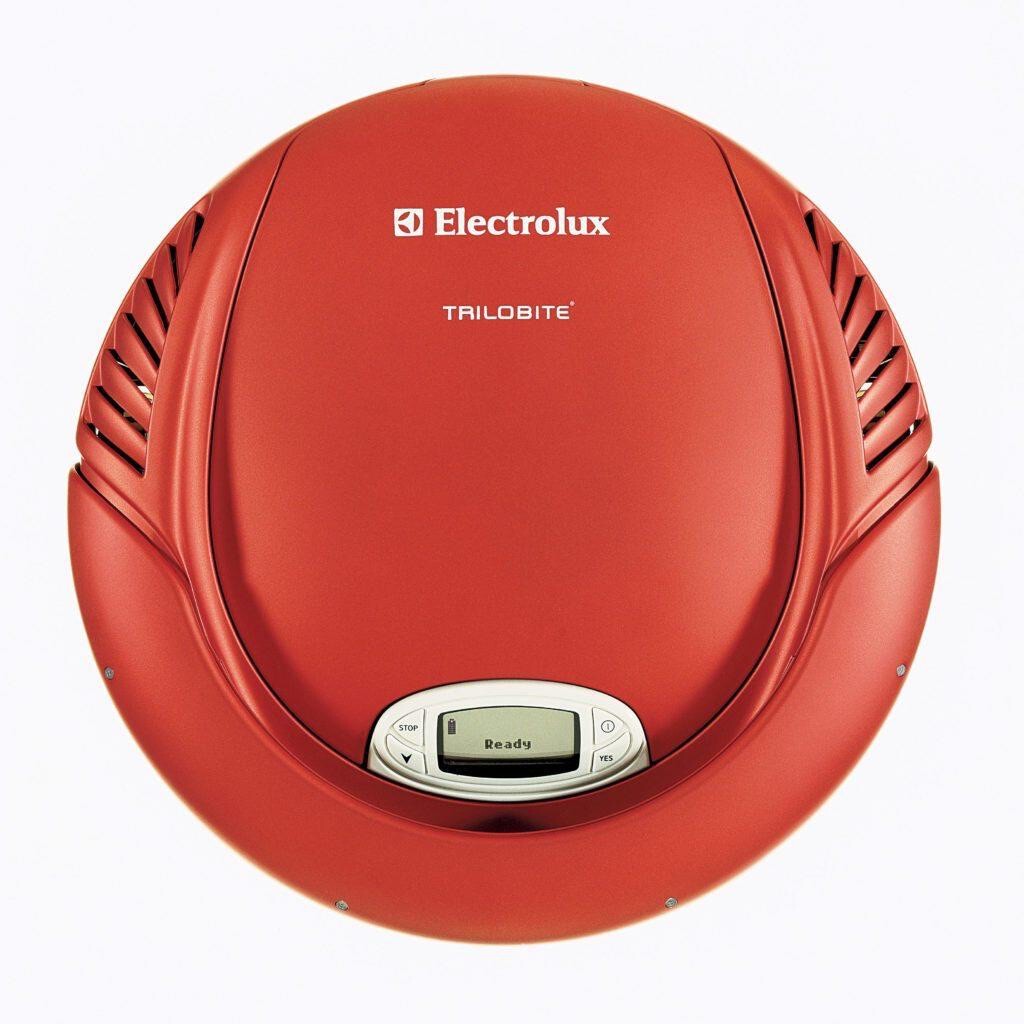
What has changed since then is the perception layer. Advanced models no longer just detect walls or stairs; they build richer maps, recognize objects, and make decisions with more context. This shift is powered by AI, enabling robots to adapt to different home environments and improve over time.
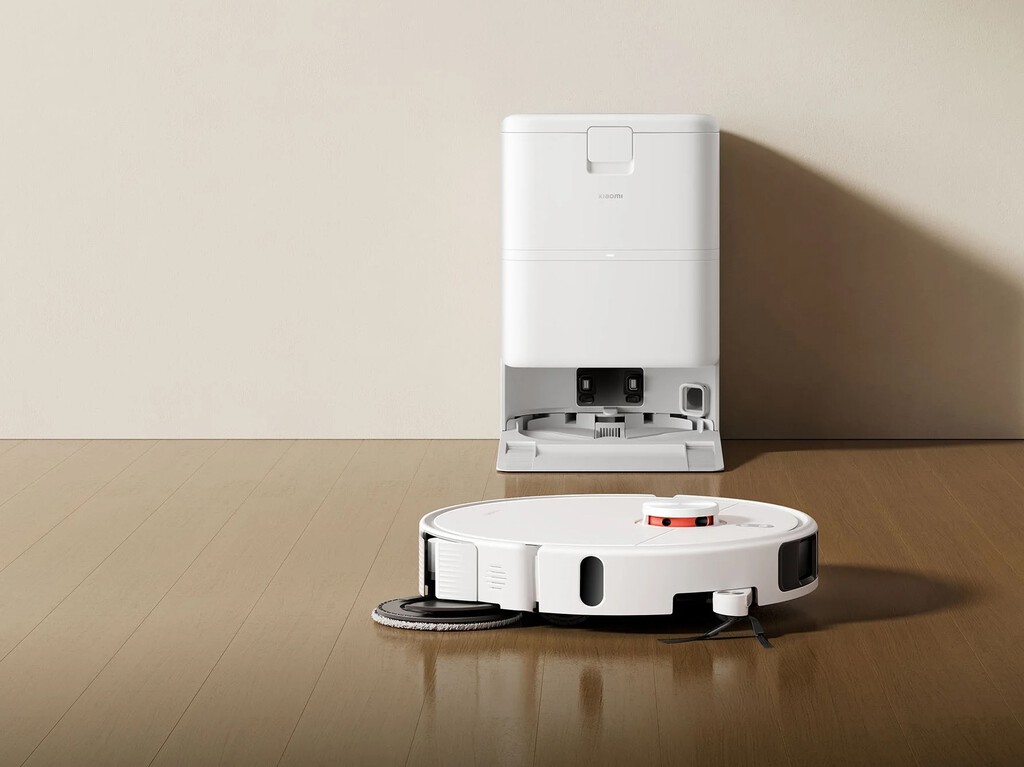
Market Growth: A Scale That Matters
The scale helps explain why this story isn't just about a tech curiosity. According to IDC, the global market for home cleaning devices reached 32.72 million units in 2025, up 20.1% from the previous year. Within that universe, smart robot vacuums remained the main category, with 24.12 million units and growth of 17.1%.
IDC measures shipments, not installed households, but the trend is clear: robot vacuums are becoming a staple in modern homes. This growth is driven by increasing consumer demand for convenience and the falling cost of AI technology.
- AI-powered navigation: Modern robot vacuums use AI to map homes and avoid obstacles, making cleaning more efficient.
- Object recognition: Advanced models can identify and avoid items like cables and pet waste, reducing manual intervention.
- Smart home integration: Many robot vacuums connect to smart home systems, allowing voice control and automation.
- Continuous improvement: AI enables robots to learn from their environment and improve cleaning patterns over time.
- Market growth: The robot vacuum market is expanding rapidly, with 24.12 million units shipped in 2025 alone.
Why China Leads the AI Robot Vacuum Charge
China has become a powerhouse in AI and robotics, and robot vacuums are a prime example. Chinese companies like Ecovacs, Roborock, and Xiaomi have become global leaders, integrating advanced AI into their products. These companies benefit from a large domestic market, strong supply chains, and government support for AI development.
By focusing on practical applications like robot vacuums, Chinese firms are making AI accessible to everyday consumers. This approach contrasts with more abstract AI applications, ensuring that the technology delivers tangible benefits in people's daily lives.
How AI in Robot Vacuums Works
AI in robot vacuums involves several key technologies. First, sensors such as LiDAR and cameras collect data about the environment. Then, AI algorithms process this data to create maps and identify objects. Finally, the robot uses this information to plan efficient cleaning routes and avoid obstacles.
Over time, the robot can learn the layout of a home and adjust its behavior, such as focusing on high-traffic areas or avoiding certain rooms. This level of autonomy is what sets AI-powered vacuums apart from earlier models.
Comparison of Robot Vacuum Generations
| Feature | Early Models (2000s) | Modern AI Models |
|---|---|---|
| Navigation | Random or basic sensor-based | AI-powered mapping and object recognition |
| Obstacle Avoidance | Simple bump sensors | Advanced sensors and AI algorithms |
| Cleaning Efficiency | Limited, often missed spots | Optimized routes, systematic cleaning |
| Smart Home Integration | None | Voice control, app connectivity |
What This Means for Consumers
For consumers, the rise of AI in robot vacuums means more convenience and better cleaning performance. These devices can save time and effort, especially in busy households. As competition increases, prices are likely to become more affordable, making AI-powered cleaning accessible to more people.
However, consumers should also be aware of privacy considerations. Robot vacuums with cameras and mapping capabilities collect data about homes, so it's important to choose reputable brands with strong data security practices. The background to this story is set out in Roborock Saros 20: Best Robot Vacuum for Homes with Rugs. A related thread runs through Robot Vacuums 2026: The Rise of Multi-Function Cleaning Machines. Earlier coverage in Aldi's Ambiano Robot Vacuum: Affordable Cleaning Power shows how the argument developed.
The Future of AI in the Home
The robot vacuum is just the beginning. As AI technology advances, we can expect more home devices to incorporate intelligence, from refrigerators that manage inventory to washing machines that optimize cycles. China's push into AI robot vacuums is a step toward a future where AI seamlessly integrates into every aspect of home life. A closer look at the same subject appears in Ultenic MX50 Robot Vacuum Review: Self-Cleaning Convenience. Anyone following the wider picture can start with Dyson Enters Robot Vacuum Market With Three New Nurovi Models. The same theme surfaces in Dyson's New Robot Vacuums Finally Solve the Corner-Cleaning Problem, which takes a different angle.
This trend also highlights the importance of practical AI applications. While much attention is given to AI in fields like healthcare and finance, everyday devices like robot vacuums demonstrate how AI can improve daily routines and bring the technology into mainstream adoption. Context on how this played out before sits in Best Robot Vacuums 2026: My Top Picks Are Not Xiaomi or Roomba. A companion piece, Lefant M210 Pro Omni Robot Vacuum Drops to Just $240, approaches the same subject from another angle.
FAQ
What is an AI robot vacuum?
An AI robot vacuum is a cleaning device that uses artificial intelligence to navigate and clean homes autonomously. It uses sensors and algorithms to map rooms, recognize objects, and optimize cleaning routes.
How big is the robot vacuum market?
According to IDC, the global market for home cleaning devices reached 32.72 million units in 2025, with smart robot vacuums accounting for 24.12 million units.
Why is China leading in AI robot vacuums?
China leads due to its strong AI and robotics ecosystem, large domestic market, and companies like Ecovacs, Roborock, and Xiaomi that focus on practical AI applications.
Are AI robot vacuums safe for privacy?
AI robot vacuums collect data to function, so it's important to choose brands with strong data security. Reputable companies implement measures to protect user privacy.
Browse the Shop
 Acacia frida deluxe solid wood bed frame |
Bedroom bench |
Bed chest drawers |
Lingerie dresser |
Frame base |
Mirror with jewelry storage |
30 Bathroom Vanity |
Memory foam queen mattress |
Mattresses for back pain |
Nightstand set of 2 |
Grand Goldman Shop |
Civil Lawyer
Deutschland Trikot WM 2026







