

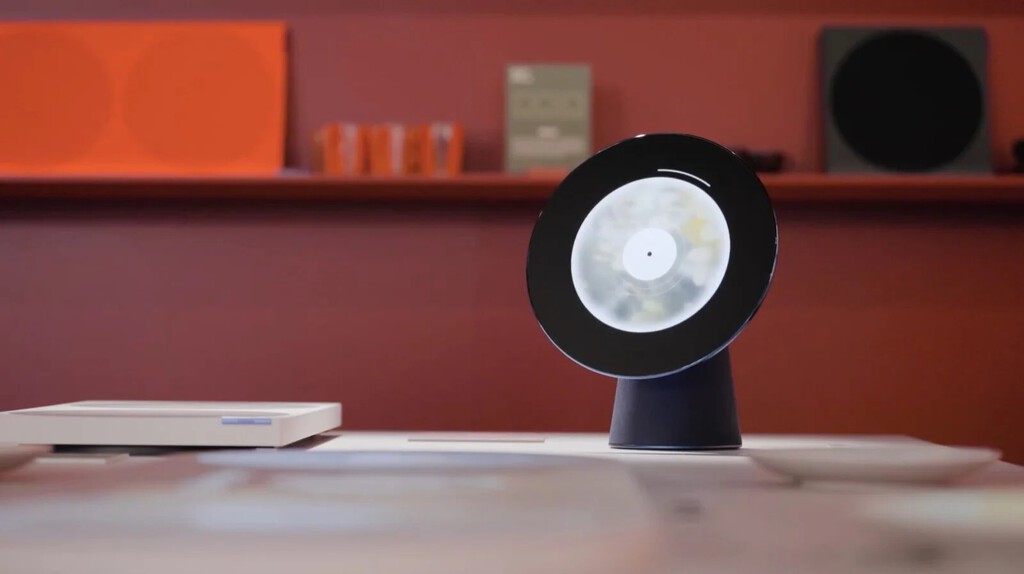
Samsung has unveiled Project Luna, a concept device that hints at the future of AI-powered home assistants. Unlike typical gadgets, Luna features a movable circular display that acts as a head, rotating to face the user. This design suggests a shift toward more interactive and personable AI interfaces.
What Is Samsung Project Luna?
Project Luna is a desktop device with a circular screen that can rotate and change orientation. It's designed to be more than a conventional speaker; it's an AI companion that interacts through voice and visual cues. Samsung showcased Luna at an event in Milan, positioning it as a concept that could redefine home AI.
Find Original Home Decor sparking conversation at Grand Goldman Shop.

The device is intended to sit on a table or counter, connecting to your smartphone and other smart home devices. Its movable head allows it to direct attention to the user, creating a sense of engagement. This physical movement adds a new dimension to human-AI interaction.
Key Features and Capabilities
In demonstrations, Samsung showed Luna controlling smart home devices, playing music with a turntable-like interface, and answering questions via voice and screen. The circular display can show information and respond to touch or gestures. The rotation mechanism enables the device to follow the user or adjust its angle for better visibility.
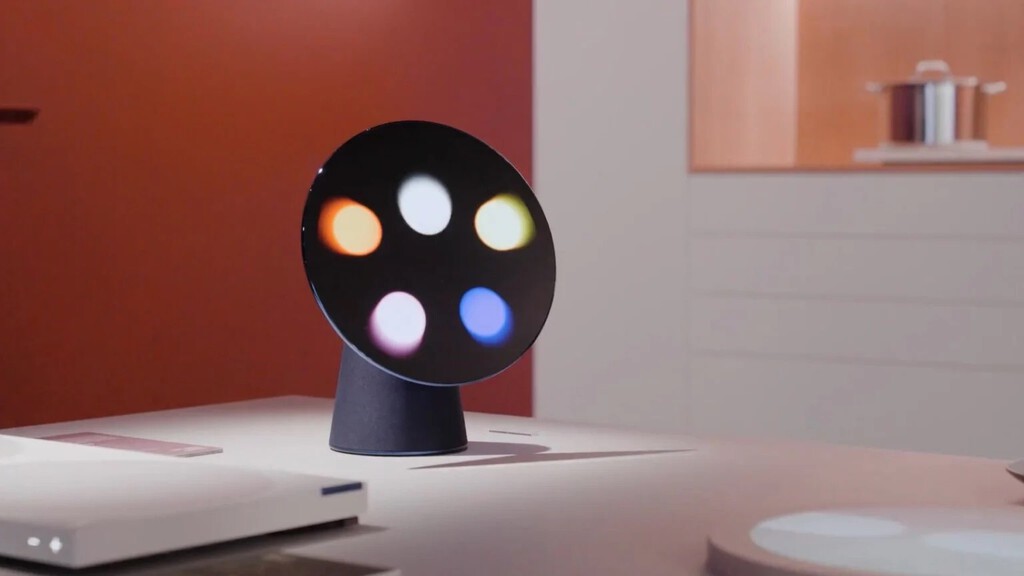
Luna is designed to be a central hub for home automation and entertainment. It can connect to smartphones and likely other IoT devices, though specific compatibility details are not yet available. The concept emphasizes natural interaction, combining voice commands with visual feedback.
- Rotating circular display that acts as a movable head
- Voice and visual interaction for answering queries and controlling devices
- Smart home integration to manage connected appliances
- Music playback with a turntable-inspired interface
- Smartphone connectivity for seamless control and data sharing
How Project Luna Compares to Other AI Devices
Project Luna stands out from other AI gadgets like the Rabbit R1 or Humane AI Pin, which have been met with mixed reviews. Unlike those wearable or portable devices, Luna is a stationary home companion with a focus on ambient interaction. Its rotating display adds a physical dimension that could make interactions feel more natural.
The table below highlights key differences between Luna and other notable AI devices.
| Device | Form Factor | Primary Interaction | Display |
|---|---|---|---|
| Samsung Project Luna | Desktop with rotating circular screen | Voice, visual, touch | Yes, movable |
| Rabbit R1 | Handheld | Touch, voice | Yes, fixed |
| Humane AI Pin | Wearable pin | Voice, laser projection | No (projects) |
| Amazon Echo Show | Smart display | Voice, touch | Yes, fixed |
Why This Matters for the Future of AI
Project Luna represents Samsung's vision for AI that is integrated into the home in a more embodied way. As AI becomes more prevalent, companies are exploring how to make interactions feel less like using a tool and more like engaging with an assistant. The rotating display is a step toward giving AI a physical presence that can express attention and responsiveness.
This concept also aligns with the broader trend of ambient computing, where technology fades into the background and responds naturally to human needs. Luna's ability to control smart home devices and provide information suggests a future where a central AI hub manages various aspects of daily life. The background to this story is set out in OpenAI's AI Device: Screenless Donut-Shaped Hardware for 2027. A related thread runs through Ato AI Device for Seniors: How a Grandfather Inspired a Simple Gadget. Earlier coverage in Budget Hints for Students: Smart Money Management Tips shows how the argument developed.
Challenges and What to Watch For
As a concept, Project Luna faces several hurdles before becoming a product. The rotating mechanism must be durable and reliable, and the device needs to offer compelling use cases beyond what existing smart speakers already do. Privacy and data security are also critical, as an always-on home assistant with a camera or sensors could raise concerns. A closer look at the same subject appears in OpenAI's AI Device: What We Know About the Jony Ive Project. Anyone following the wider picture can start with Anthropic's Self-Replicating AI Worm Threatens Smart Devices. The same theme surfaces in AI Self-Replication Threat: Anthropic Warns Smart Devices at Risk, which takes a different angle.
Samsung has not announced a release date or pricing for Luna, and it may remain a concept. However, the ideas it presents could influence future products from Samsung and its competitors. We'll be watching for any developments on this intriguing device. Context on how this played out before sits in OpenAI's Screenless AI Device: A New Era of Home Assistance. A companion piece, Compost and Mulching for Circular Gardening, approaches the same subject from another angle.
FAQ
What is Samsung Project Luna?
Samsung Project Luna is a concept for a desktop AI device with a rotating circular display. It is designed to interact with users through voice and visual cues, and to control smart home devices.
When will Project Luna be available?
Samsung has not announced a release date for Project Luna. It is currently a concept showcased at an event in Milan, and there is no confirmation that it will become a commercial product.
How does Project Luna differ from other AI assistants?
Unlike fixed smart displays or wearable AI pins, Luna features a movable circular screen that can rotate to face the user. This physical movement aims to create a more engaging and natural interaction.
What can Project Luna do?
In demonstrations, Luna controlled smart home devices, played music with a turntable-style interface, and answered questions via voice and screen. It connects to smartphones and likely other IoT devices.
Browse the Shop
 Acacia frida deluxe solid wood bed frame |
Bedroom bench |
Bed chest drawers |
Lingerie dresser |
Frame base |
Mirror with jewelry storage |
30 Bathroom Vanity |
Memory foam queen mattress |
Mattresses for back pain |
Nightstand set of 2 |
Grand Goldman Shop |
Civil Lawyer
Deutschland Trikot WM 2026







