

Bill Gates, the co-founder of Microsoft, has openly acknowledged that his biggest mistake during his tenure was the mishandling of a deal that would have brought Android into the Microsoft fold. This admission, made during an interview with Julia Hartz, CEO of Eventbrite, highlights a pivotal moment that shaped the modern tech landscape. The decision not only allowed Google to acquire Android but also cost Microsoft a potential $400 billion, according to Gates.
The Missed Opportunity: Android's Early Days
In its infancy, Android was not firmly tied to Google. The operating system was in a state of limbo, with both Microsoft and Google vying for influence. Gates confessed that his mismanagement led to Microsoft passing on the opportunity to acquire Android, which Google then snapped up. This misstep allowed Google to develop Android into the dominant mobile operating system it is today.
Find Original Home Decor sparking conversation at Grand Goldman Shop.

Gates described the error as "the worst management I was involved in" that prevented Microsoft from making Android its own. The implications of this decision are staggering, considering Android's current market share and the revenue it generates for Google.
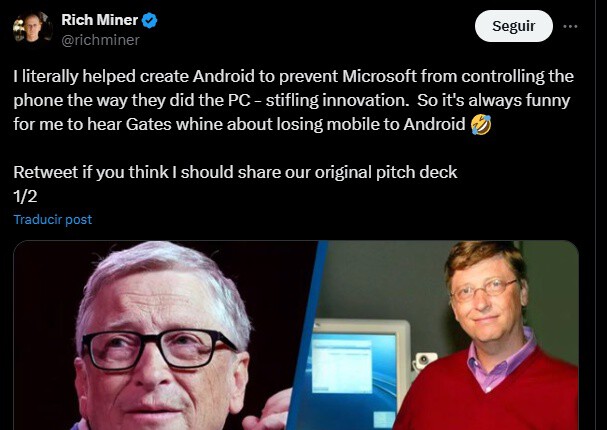
Why It Matters: Android's Market Dominance
Today, Android is the world's most popular mobile operating system, with a global market share of 72.46% as of late 2025. This dominance translates into massive profits for Google through app store fees, advertising, and services. Had Microsoft secured Android, it could have significantly altered the company's trajectory in the mobile space and beyond.
The missed acquisition is a classic example of how a single strategic error can have multi-billion-dollar consequences. It underscores the importance of foresight and risk-taking in the fast-paced tech industry, where emerging technologies can quickly become industry standards.
Key Takeaways from Gates' Admission
- Strategic misstep: Gates' failure to acquire Android cost Microsoft a potential $400 billion.
- Market shift: Google's acquisition of Android allowed it to dominate the mobile OS market.
- Leadership lesson: Even visionary leaders can make costly mistakes due to management missteps.
- Long-term impact: Android's success has far-reaching effects on Google's revenue and the app economy.
Comparing Android and Other Mobile Operating Systems
| Operating System | Global Market Share (Late 2025) | Key Owner |
|---|---|---|
| Android | 72.46% | |
| iOS | 26.8% | Apple |
| Others | 0.74% | Various |
The table above illustrates Android's overwhelming lead in the mobile OS market. This dominance is a direct result of Google's ability to capitalize on the opportunity that Microsoft missed.
The Ripple Effect on Microsoft and Google
Microsoft's loss became Google's gain. Android's success has not only boosted Google's bottom line but also solidified its position as a tech giant. Meanwhile, Microsoft has had to navigate the mobile landscape through other means, such as its own Windows Phone (which was discontinued) and partnerships with hardware manufacturers.
Gates' reflection on this mistake serves as a cautionary tale for business leaders: in the tech world, the cost of inaction can be just as high as the cost of a wrong action. The ability to identify and seize transformative opportunities is crucial. The background to this story is set out in How Schools Miss Potential: Lessons from a Teacher's Mistake. A related thread runs through Bill Gates and Other Billionaires Choosing Not to Leave Inheritance. Earlier coverage in Bill Gates Mansion Plans Halted by Spotted Owl Protection shows how the argument developed.
What to Watch Next
As technology continues to evolve, the lessons from Gates' admission remain relevant. Companies must stay vigilant for the next disruptive technology, whether it's in AI, quantum computing, or something else entirely. The Android story is a reminder that today's small startup could become tomorrow's industry standard. A closer look at the same subject appears in Bill Gates' Simple Philosophy for a Happy and Successful Life. Anyone following the wider picture can start with Bill Gates Foundation Met Epstein 30 Times: Review Reveals. The same theme surfaces in Bill Gates' Three Simple Rules for a Happy, Successful Life, which takes a different angle.
For Microsoft, the focus has shifted to cloud computing and AI, areas where it has made significant strides. But the Android missed opportunity will likely remain a footnote in the company's history—a what-if that cost billions. Context on how this played out before sits in Bill Gates Urges Human Reserved Jobs Amid AI Takeover. A companion piece, Venezuela Earthquake: How Android Alerts Saved Lives, approaches the same subject from another angle.
FAQ
What was Bill Gates' biggest mistake at Microsoft?
According to Gates himself, his biggest mistake was the mismanagement that led to Microsoft not acquiring Android. He admitted this during an interview with Julia Hartz, CEO of Eventbrite.
How much did the missed Android acquisition cost Microsoft?
Gates stated that the missed opportunity cost Microsoft $400 billion. This figure reflects the potential revenue and market value that Android has generated for Google.
Why did Google end up with Android?
Google acquired Android in 2005, before it became a dominant mobile OS. Microsoft had the chance to acquire it earlier but passed due to what Gates described as mismanagement.
What is Android's current market share?
As of late 2025, Android holds a 72.46% global market share in mobile operating systems, according to statistics cited in the article.
Browse the Shop
 Acacia frida deluxe solid wood bed frame |
Bedroom bench |
Bed chest drawers |
Lingerie dresser |
Frame base |
Mirror with jewelry storage |
30 Bathroom Vanity |
Memory foam queen mattress |
Mattresses for back pain |
Nightstand set of 2 |
Grand Goldman Shop |
Civil Lawyer
Deutschland Trikot WM 2026







