

The Brenner Base Tunnel is poised to become the world's longest railway tunnel, a monumental infrastructure project that aims to reshape European transport by making trains the backbone of the continent's mobility. Stretching beneath the Alps, this tunnel will connect Munich and Verona, significantly reducing travel times and shifting freight from road to rail.
What Is the Brenner Base Tunnel?
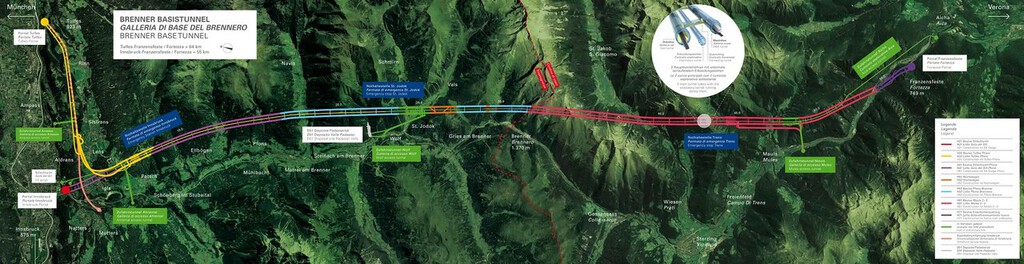
The Brenner Base Tunnel is a 64-kilometer railway tunnel under construction beneath the Brenner Pass in the Alps. It will form a crucial link in the Scandinavian-Mediterranean corridor (SCAN-MED), a key European Union transport route. Once completed, it will surpass the Gotthard Base Tunnel as the longest railway tunnel in the world.
Find Original, High-end Home Decor that spark conversation at Grand Goldman Shop.

The project was officially launched in 2006, with construction beginning in 2007. However, excavation only started in 2015 due to various delays and plan revisions. The tunnel is designed to facilitate both passenger and freight traffic, offering a faster and more sustainable alternative to road transport.
Why the Brenner Base Tunnel Matters for Europe
Europe is striving to decarbonize its transport sector, and railways are central to that effort. The Brenner Base Tunnel will enable a significant shift of freight from road to rail, reducing congestion and emissions along the busy Alpine routes. It will also provide a high-speed passenger connection between Germany and Italy, making train travel more competitive with short-haul flights.
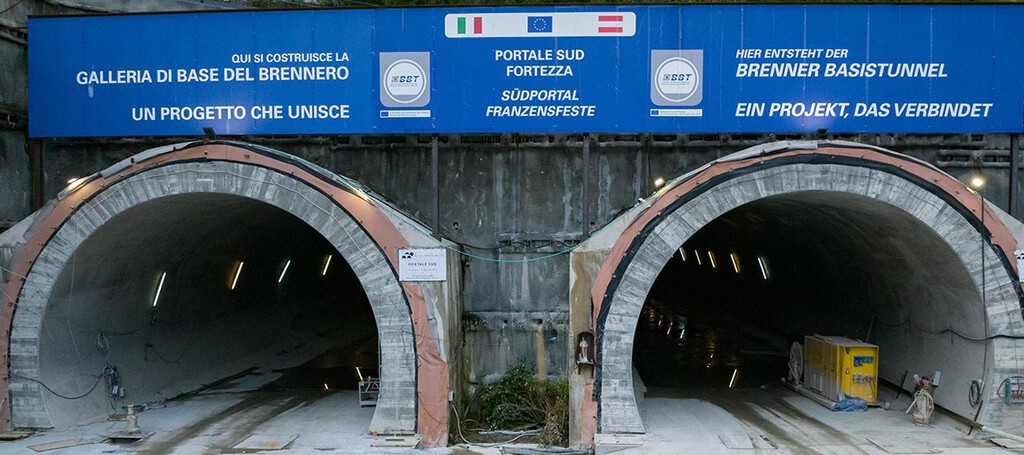
The project is part of a broader vision to create a seamless European rail network. By overcoming the natural barrier of the Alps, the tunnel will enhance commercial and passenger connectivity, supporting economic growth and environmental goals.
Key Benefits of the Project
- Reduced travel times: Munich to Verona in just 2 hours and 20 minutes, compared to 3.5 hours today.
- Increased freight capacity: Up to 400 trains per day, shifting millions of trucks off the road.
- Environmental impact: Lower carbon emissions and reduced air pollution.
- Improved safety: Modern safety features and dedicated emergency systems.
- Economic integration: Stronger links between Germany, Austria, and Italy.
Construction Challenges and Timeline
Building a tunnel under the Alps is no small feat. Engineers have faced geological complexities, including fault zones and high rock temperatures. The project has also encountered financial and political hurdles, leading to an extended timeline. As of now, the completion date is estimated for 2032, though previous deadlines have slipped.
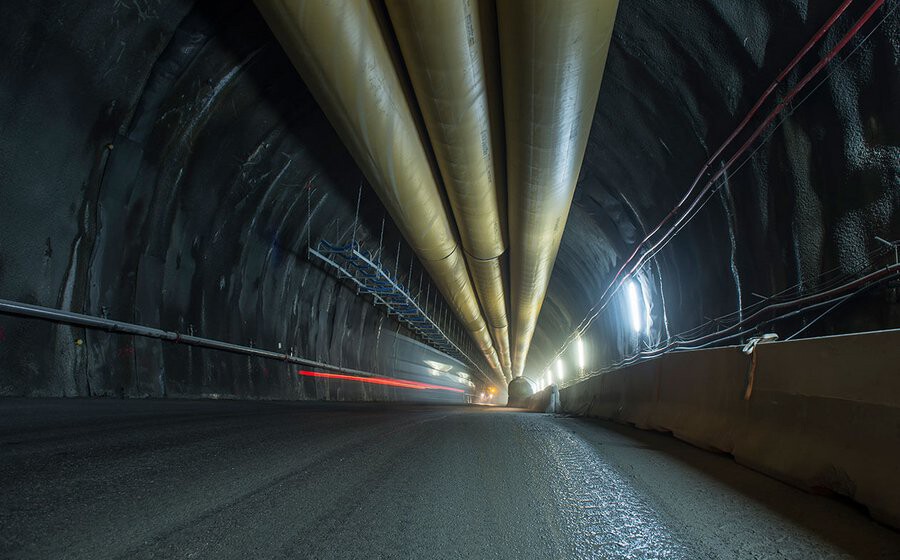
Despite these challenges, progress is steady. The tunnel is being excavated using massive tunnel boring machines (TBMs) and conventional drilling methods. Once finished, it will consist of two single-track tubes connected by cross passages every 500 meters for safety.
Comparison with Other Major Tunnels
| Tunnel | Length (km) | Country | Status |
|---|---|---|---|
| Brenner Base Tunnel | 64 | Austria/Italy | Under construction |
| Gotthard Base Tunnel | 57 | Switzerland | Operational |
| Channel Tunnel | 50 | UK/France | Operational |
| Seikan Tunnel | 53.9 | Japan | Operational |
What It Means for Travelers and Businesses
For travelers, the Brenner Base Tunnel promises faster, more comfortable journeys across the Alps. Imagine hopping on a train in Munich and arriving in Verona in just over two hours—a trip that currently takes at least three and a half hours by car or train. This could make rail a compelling alternative to flying for many European routes. The longer history behind the story is traced in Brenner Base Tunnel: Europe's Longest Railway Tunnel Project. More on the surrounding debate is collected in World's Only Underwater Roundabout: 70m Below Sea Level.
For businesses, the tunnel will streamline logistics, reducing costs and delivery times. The increased freight capacity will also ease pressure on road networks, which are often congested and subject to strict regulations in the Alpine region. The background to this story is set out in San Francisco Pitbull Rescued From Railway Tunnel After 2 Days. A related thread runs through San Francisco Pitbull Rescue: Dog Trapped in Railway Tunnel for 2. Earlier coverage in San Francisco Pitbull Rescue Story: Dog Trapped in Tunnel shows how the argument developed.
The Road Ahead
While the Brenner Base Tunnel is a flagship project, it is not without controversy. Local communities have raised concerns about environmental impacts during construction and the potential for increased rail traffic. However, proponents argue that the long-term benefits outweigh the temporary disruptions. A closer look at the same subject appears in Car: latest articles. Anyone following the wider picture can start with Modular Tire Design Cuts Waste: Spanish University Innovates. The same theme surfaces in Siemens Inspiro London: New Trains for the Piccadilly Line, which takes a different angle.
As Europe continues to invest in sustainable infrastructure, the Brenner Base Tunnel stands as a testament to the continent's commitment to greener transport. It will not only be a record-breaking feat of engineering but also a vital artery for European mobility. Context on how this played out before sits in UK Railway Assaults Hit Record 25,000 Incidents a Year. A companion piece, UK Railway Assaults Hit Record High: Passenger Safety Alert, approaches the same subject from another angle.
FAQ
How long will the Brenner Base Tunnel be?
The Brenner Base Tunnel will be 64 kilometers long, making it the longest railway tunnel in the world once completed.
When is the Brenner Base Tunnel expected to open?
The current estimated completion date is 2032, although the project has faced delays in the past.
What are the benefits of the Brenner Base Tunnel?
The tunnel will reduce travel times between Germany and Italy, shift freight from road to rail, and lower carbon emissions, supporting Europe's decarbonization goals.
How will the Brenner Base Tunnel affect freight transport?
It will allow up to 400 trains per day, removing millions of trucks from Alpine roads and reducing congestion and pollution.
Browse the Shop
 Acacia frida deluxe solid wood bed frame |
Bedroom bench |
Bed chest drawers |
Lingerie dresser |
Frame base |
Mirror with jewelry storage |
30 Bathroom Vanity |
Memory foam queen mattress |
Mattresses for back pain |
Nightstand set of 2 |
Grand Goldman Shop |
Civil Lawyer
Deutschland Trikot WM 2026










