

The Mazda CX-6e is the brand's biggest challenge: updating to mainstream tastes without leaving its faithful behind. This electric SUV, built in China through a joint venture with Changan, represents a strategic pivot for the Japanese automaker.
For decades, Mazda has been synonymous with driving pleasure, distinctive design, and a loyal fan base that values its unique approach. But as the automotive landscape shifts toward electrification and Chinese manufacturers lead the charge, Mazda faces a delicate balancing act.
Find Original, High-end Home Decor that spark conversation at Grand Goldman Shop.
Why Mazda Is Selling a Chinese Car in Europe
The story begins with China's strategic decision to accelerate electric vehicle development. The government provided land, soft loans, and direct investment to domestic manufacturers, while also attracting Western companies to share knowledge.
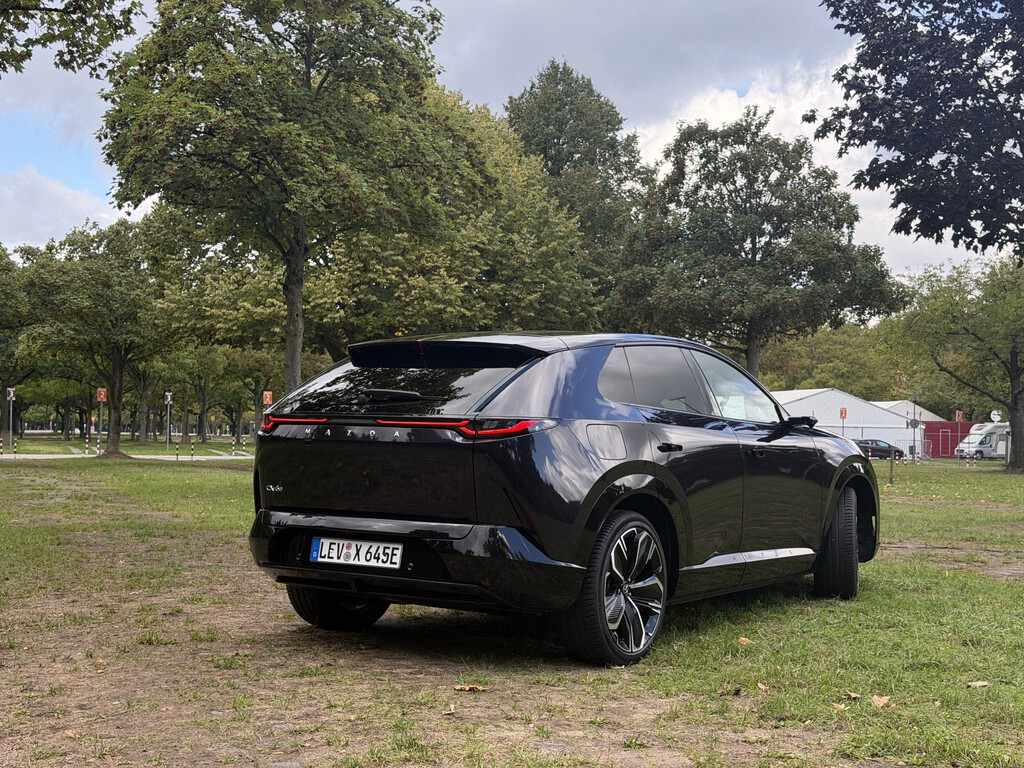
Foreign automakers were offered cheap land and labor in exchange for forming joint ventures with local companies. This is why Volkswagen has close ties with SAIC, Toyota with GAC, and Mazda with Changan—one of China's oldest automakers, a partnership that dates back to when Changan was still Ford-owned.
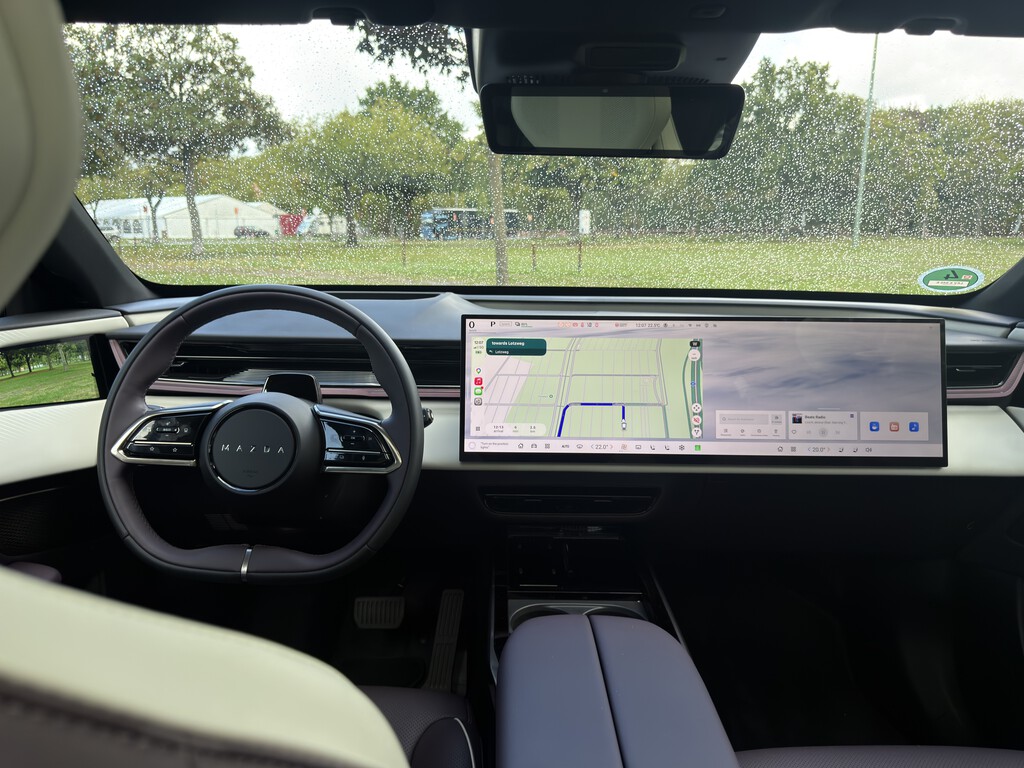
Through these joint ventures, China absorbed Western expertise and built a robust EV supply chain. Today, Chinese-made electric cars are among the most advanced and cost-effective globally, prompting Mazda to leverage this ecosystem for the CX-6e.
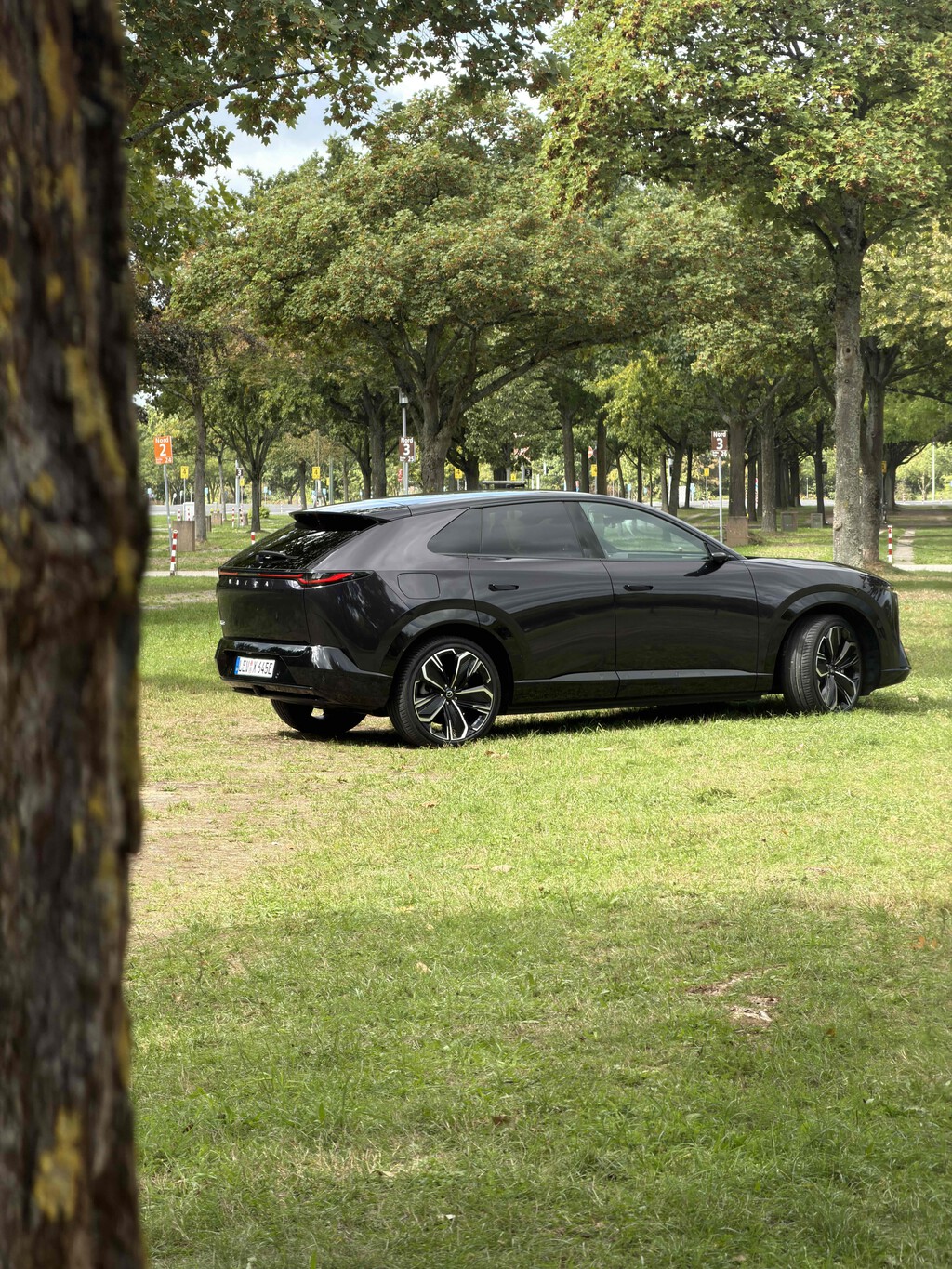
What the CX-6e Means for Mazda's Identity
The CX-6e is not just another electric SUV; it's a symbol of Mazda's willingness to adapt. Built on Changan's EPA platform, it shares components with the Deepal S07, a model already on sale in China.

This raises questions about Mazda's traditional brand DNA. Enthusiasts have long praised Mazda for its chassis tuning, steering feel, and minimalist interiors. The CX-6e, however, prioritizes range, tech features, and cost efficiency—priorities dictated by the mainstream market.
Mazda insists that it has infused its signature driving dynamics into the CX-6e, but the challenge remains: can a car developed primarily in China truly feel like a Mazda?
Key Takeaways for Mazda's Electric Future
- Joint ventures are crucial: Mazda's partnership with Changan gives it access to proven EV technology and cost advantages.
- Brand identity at risk: The CX-6e must appeal to mainstream buyers without alienating Mazda loyalists who value driving feel.
- China as an EV hub: Leveraging Chinese supply chains is a pragmatic move to compete in Europe's price-sensitive EV market.
- Regulatory pressure: Stricter emissions rules in Europe force Mazda to accelerate electrification, even if it means relying on foreign platforms.
- Consumer perception: Will buyers accept a Chinese-built Mazda as authentic? The answer will shape Mazda's future lineup.
How the CX-6e Compares to Mazda's Traditional Offerings
To understand the shift, consider the specs. The table below contrasts the CX-6e with Mazda's current best-seller, the CX-5, highlighting the different priorities.
| Feature | Mazda CX-6e (expected) | Mazda CX-5 (current) |
|---|---|---|
| Powertrain | Electric (battery size TBA) | Gasoline (2.0L/2.5L) |
| Platform | Changan EPA (joint venture) | Mazda Skyactiv |
| Driving focus | Range and tech | Handling and feedback |
| Production | China | Japan |
| Target audience | Mainstream EV buyers | Enthusiasts and families |
While the CX-5 remains a driver's car, the CX-6e prioritizes practicality and affordability. This divergence is intentional: Mazda needs volume to fund its transition, and the CX-6e is designed to attract new customers.
The Risk of Alienating Loyalists
Mazda's fan base is one of its greatest assets. These are people who appreciate the company's obsession with weight reduction, manual gearboxes, and rotary engines. They might view a Chinese-built EV as a betrayal.
However, Mazda cannot survive on enthusiasts alone. The company must appeal to a broader audience that prioritizes value, space, and technology. The CX-6e is a step toward that reality.
To mitigate backlash, Mazda will likely emphasize that the CX-6e meets its global quality standards and has been tuned by its engineers. But the proof will be in the driving experience. The background to this story is set out in Ferrari V12 Swapped for Mazda Rotary: The Ultimate Engine Swap. A related thread runs through Ben & Jerry's Battle: Free the Brand from Unilever. Earlier coverage in Car: latest articles shows how the argument developed.
What to Watch Next
The launch of the CX-6e in Europe will be a litmus test. If it succeeds, Mazda may expand its Chinese-sourced EV lineup. If it fails, the brand could retreat to its traditional strengths. A closer look at the same subject appears in China's LFP Batteries Hit 200 Wh/kg Without New Chemistry. Anyone following the wider picture can start with Germany's Auto Industry: Why Manufacturers Now Avoid. The same theme surfaces in Stellantis' Ned Curic: Learning from Leapmotor to Launch the Citroën 2 CV, which takes a different angle.
Either way, the CX-6e marks a turning point. It shows that even the most stubborn automakers must adapt to survive in the electric age. Context on how this played out before sits in PLD Space MIURA 9: Spain's Reusable Rocket Ambition. A companion piece, Mazda CX-6e: The Brand's Biggest Challenge in Adapting to Mainstream Tastes, approaches the same subject from another angle.
FAQ
What is the Mazda CX-6e?
The Mazda CX-6e is an electric SUV developed through Mazda's joint venture with Changan in China. It is expected to launch in Europe as part of Mazda's electrification strategy.
Why is Mazda building a car in China?
Mazda leverages its partnership with Changan to access China's advanced EV supply chain and reduce costs. This allows Mazda to offer a competitive electric vehicle in Europe without developing a platform from scratch.
Will the CX-6e drive like a Mazda?
Mazda claims it has tuned the CX-6e to deliver its signature driving feel, but the car is based on a Changan platform. Only a test drive will reveal if it meets Mazda's traditional standards.
How does the CX-6e affect Mazda's brand image?
The CX-6e risks alienating purists who value Mazda's unique engineering. However, it also attracts mainstream buyers, which is essential for Mazda's financial health and future EV development.
Browse the Shop
 Acacia frida deluxe solid wood bed frame |
Bedroom bench |
Bed chest drawers |
Lingerie dresser |
Frame base |
Mirror with jewelry storage |
30 Bathroom Vanity |
Memory foam queen mattress |
Mattresses for back pain |
Nightstand set of 2 |
Grand Goldman Shop |
Civil Lawyer
Deutschland Trikot WM 2026







