

I Spit on Your Grave, originally titled Day of the Woman, was released 48 years ago and remains one of the most censored films in cinema history. Directed by Meir Zarchi, this 1978 exploitation thriller is a foundational text of the rape and revenge subgenre, infamous for its brutal depiction of sexual violence and subsequent retaliation.
The film follows Jennifer Hills, a New York fiction writer who is gang-raped and left for dead, then systematically takes revenge on her attackers. Its notoriety stems not just from the subject matter but from the explicit nature of the violence, which occupies roughly 30 of the film's 101 minutes.
Find Original, High-end Home Decor that spark conversation at Grand Goldman Shop.
The Plot and Its Controversial Execution
Jennifer Hills retreats to a secluded cabin to work on her novel. There, she is brutalized by a group of local men. After surviving the assault, she methodically hunts down each perpetrator, using her wits and sexuality to exact gruesome revenge. The narrative arc is simple, but the execution is unflinching.
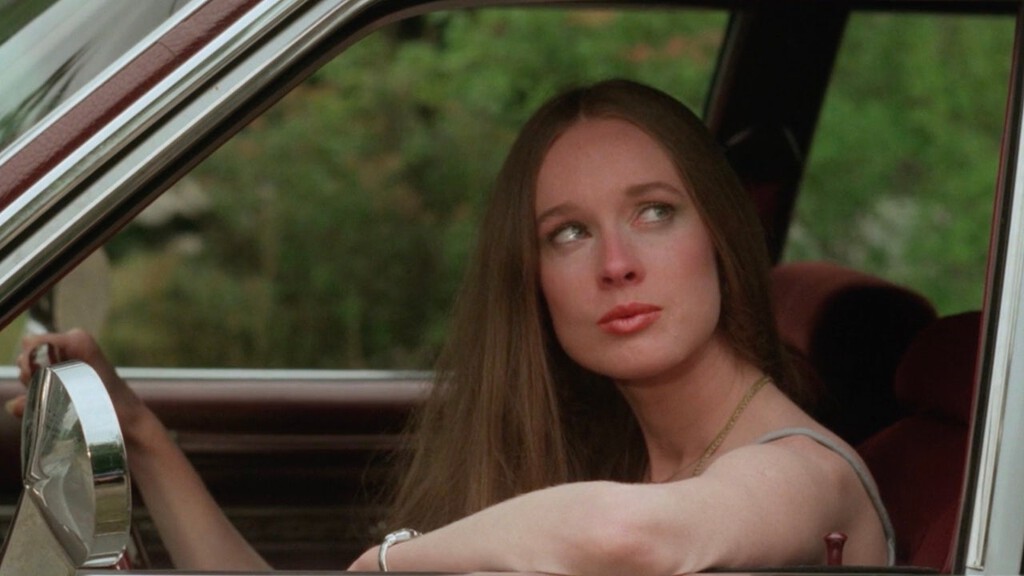
Zarchi's camera lingers on the assaults with a documentary-like rawness that many critics have condemned as exploitative. The revenge sequences are equally graphic, offering a catharsis that is difficult to stomach. This unvarnished approach is precisely what made the film a target for censors worldwide.
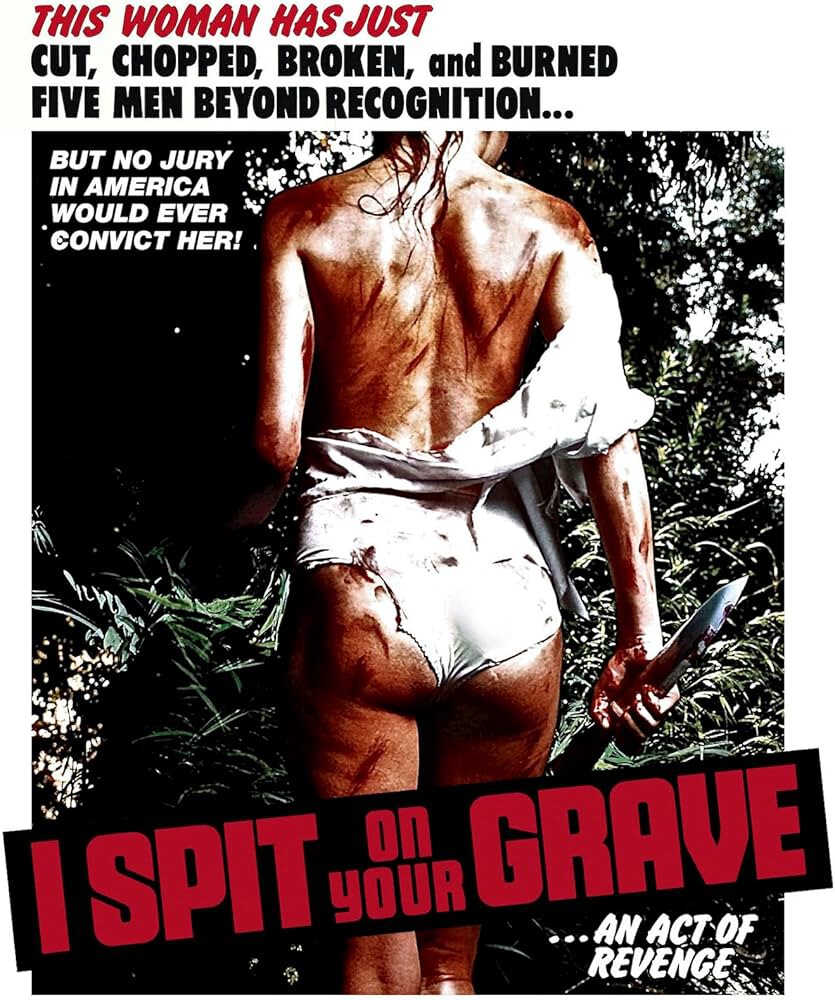
A History of Censorship Around the World
The film's release was met with immediate controversy. In the United Kingdom, it was banned outright in 1984 and remained prohibited until 2001. Even when the ban was lifted, only a heavily cut version was approved. Canada did not allow the film until 1998, and Ireland also banned it. Australia and other countries imposed similar restrictions, making it a global flashpoint in debates about obscenity and artistic freedom. The longer history behind the story is traced in I Spit on Your Grave: 48 Years of the Most Censored Revenge Film.

These bans were not merely about the rape scenes; they reflected broader anxieties about media violence and its perceived effects on society. The film became a symbol in the culture wars, cited by morality campaigners as evidence of cinema's moral decay. The background to this story is set out in Neighbor Digs Their Own Grave By Repeatedly Parking In Woman’s Driveway. A related thread runs through Every 11 Days a Woman Killed in Australia: Why It Continues. Earlier coverage in Australia's Crisis: Woman Killed Every 11 Days by Trusted Partner shows how the argument developed.
Why I Spit on Your Grave Still Matters
Despite—or perhaps because of—its reputation, the film has endured. It spawned a 2010 remake and its own sequels, and it is frequently discussed in film studies courses. Its influence on the rape and revenge genre is undeniable, alongside Wes Craven's The Last House on the Left. A closer look at the same subject appears in Sandra Day O'Connor: First Woman on the US Supreme Court. Anyone following the wider picture can start with Celebrity: latest articles. The same theme surfaces in Suzie Miller's Inter Alia Review: Rape, Justice, and Novelisation, which takes a different angle.
Scholars debate whether the film is a feminist statement or misogynistic exploitation. Some argue that Jennifer's transformation from victim to avenger is empowering, while others contend that the lengthy, graphic assaults cater to voyeuristic impulses. This ambiguity is central to its lasting notoriety. Context on how this played out before sits in Russell Brand Rape Trial: Woman Screamed in Pain, Court Hears. A companion piece, Revenge Bedtime Procrastination: Why We Scroll Home Makeover Videos, approaches the same subject from another angle.
Key Takeaways
- I Spit on Your Grave was released in 1978 and directed by Meir Zarchi.
- It is a foundational film of the rape and revenge subgenre.
- The film was banned in the UK until 2001, in Canada until 1998, and in Ireland.
- Its explicit violence occupies about 30 minutes of the 101-minute runtime.
- It remains a subject of debate regarding its artistic merit and social impact.
Comparative Censorship Timeline
| Country | Ban Status | Year Lifted/Modified |
|---|---|---|
| United Kingdom | Banned | 2001 (heavily cut) |
| Canada | Banned | 1998 |
| Ireland | Banned | Not specified |
| Australia | Restricted | Not specified |
FAQ
What is the original title of I Spit on Your Grave?
The original title is Day of the Woman. It was later re-released as I Spit on Your Grave to capitalize on the exploitation market.
Why was the film banned in so many countries?
The film was banned due to its graphic depiction of rape and violent revenge, which authorities deemed obscene and potentially harmful. It became a target of censorship boards worldwide.
Is I Spit on Your Grave considered a feminist film?
Opinions vary widely. Some view it as a feminist revenge fantasy, while others criticize it as exploitative and misogynistic. The debate continues among critics and scholars.
How long is the film and how much of it is violent?
The film runs 101 minutes, with approximately 30 minutes dedicated to explicit violent sequences, including the assaults and revenge acts.
Browse the Shop
 Acacia frida deluxe solid wood bed frame |
Bedroom bench |
Bed chest drawers |
Lingerie dresser |
Frame base |
Mirror with jewelry storage |
30 Bathroom Vanity |
Memory foam queen mattress |
Mattresses for back pain |
Nightstand set of 2 |
Grand Goldman Shop |
Civil Lawyer
Deutschland Trikot WM 2026







