

Air conditioner dry mode is an often-overlooked setting that can reduce energy consumption while effectively managing indoor humidity. Experts agree that dry mode consumes less energy because the compressor operates at lower revolutions, making it a smart choice for humid days.
Most people default to cool mode in summer and heat mode in winter, but dry mode—marked by a water droplet icon on many units—offers a third option that can be particularly useful in sticky, humid conditions.
Find Original Home Decor sparking conversation at Grand Goldman Shop.

What Is Dry Mode and How Does It Work?
Dry mode, or dehumidification mode, is designed to remove excess moisture from the air. Its primary goal is not to lower the temperature, but by reducing humidity, it can make the room feel more comfortable, especially in humid climates or on muggy days when the air feels clammy.
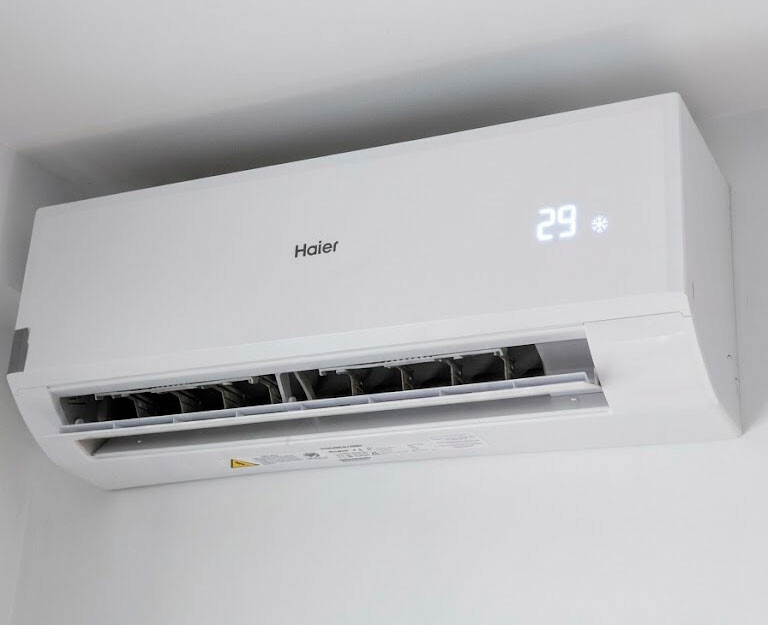
When you select dry mode, the air conditioner operates at lower fan speeds and the compressor runs at reduced revolutions. This allows the unit to extract more moisture from the air as it passes through the evaporator coil, without over-cooling the space.

Dry Mode vs. Cool Mode: Key Differences
According to HVAC technician José Beltrán, cool mode "reduces temperature and humidity, and you can control both fan speed and desired temperature." In contrast, dry mode "works at lower speeds because less air flow removes more humidity, but generally you cannot control the desired temperature."
This means dry mode is more focused on moisture removal than temperature adjustment, and it typically runs at a fixed, lower fan speed to maximize dehumidification.
Energy Efficiency of Dry Mode
Because the compressor runs at lower revolutions in dry mode, the overall energy consumption is reduced compared to cool mode. This is particularly beneficial for those looking to save on electricity bills without sacrificing comfort.
However, it's important to note that dry mode is not a substitute for cool mode in extremely hot weather. It is best used when humidity is high but temperatures are moderate, or as a supplement to cool mode during humid periods.
- Lower compressor speed leads to reduced energy use.
- Effective humidity control improves comfort without over-cooling.
- Ideal for humid climates and muggy days.
- Limited temperature control compared to cool mode.
- Can be used alongside cool mode for optimal efficiency.
When Should You Use Dry Mode?
Dry mode is most effective when the air feels heavy and sticky, such as during rainy seasons or in coastal areas with high humidity. It can also be useful in basements or rooms that tend to be damp.
If the temperature is already comfortable but the air feels muggy, switching to dry mode can make the environment feel fresher without making it too cold. It's also a good option for nighttime use when you want to maintain comfort without running the AC at full blast. The background to this story is set out in 11.99 Euro Hygrometer: The Must-Have Device to Control Home Humidity. A related thread runs through Smart Home Energy Savings: How Does Yours Compare. Earlier coverage in How to Effectively Remove Mold from Walls – A DIY Guide shows how the argument developed.
Comparison of AC Modes
| Mode | Primary Function | Temperature Control | Fan Speed | Energy Use |
|---|---|---|---|---|
| Cool | Reduce temperature and humidity | Yes | Adjustable | Higher |
| Dry | Remove humidity | Limited | Low, fixed | Lower |
| Fan | Circulate air | No | Adjustable | Lowest |
| Heat | Warm the room | Yes | Adjustable | Higher |
Potential Drawbacks and Considerations
While dry mode is energy-efficient, it may not be suitable for all situations. In very hot weather, dry mode alone may not provide sufficient cooling, and you may need to switch to cool mode. A closer look at the same subject appears in Energy Bill Help: £175 Savings for Low-Income Homes. Anyone following the wider picture can start with Energy Department Deletes 1,600+ Webpages on Utility Bill Savings. The same theme surfaces in Energy Department Removes 1,600 Utility Bill Saving Webpages, which takes a different angle.
Also, some air conditioners do not allow you to set a specific temperature in dry mode, which can be a limitation if you want precise control. Additionally, prolonged use of dry mode in already dry environments can make the air too dry, leading to discomfort. Context on how this played out before sits in Best Energy-Saving Kettles in the UK: Tested for Speed and Efficiency. A companion piece, Apartment Sanitization: When & How to Disinfect Effectively, approaches the same subject from another angle.
FAQ
Does dry mode really save energy?
Yes, dry mode typically consumes less energy because the compressor runs at lower revolutions and the fan operates at a lower speed. This reduces overall power consumption compared to cool mode.
Can I use dry mode instead of cool mode?
Dry mode is not a direct replacement for cool mode. It is best used when humidity is high but temperatures are moderate. In hot weather, cool mode is more effective for temperature reduction.
Why can't I set the temperature in dry mode?
In dry mode, the air conditioner prioritizes moisture removal over temperature control. Many units lock the temperature setting to ensure optimal dehumidification, running at a fixed, lower fan speed.
Is dry mode suitable for all climates?
Dry mode is most beneficial in humid climates. In arid climates, using dry mode may make the air too dry and cause discomfort, so it should be used sparingly.
Understanding the role of dry mode can help you optimize your air conditioner's performance and save on energy bills. By using dry mode appropriately, you can maintain a comfortable indoor environment while reducing your carbon footprint.
Browse the Shop
 Acacia frida deluxe solid wood bed frame |
Bedroom bench |
Bed chest drawers |
Lingerie dresser |
Frame base |
Mirror with jewelry storage |
30 Bathroom Vanity |
Memory foam queen mattress |
Mattresses for back pain |
Nightstand set of 2 |
Grand Goldman Shop |
Civil Lawyer
Deutschland Trikot WM 2026







