

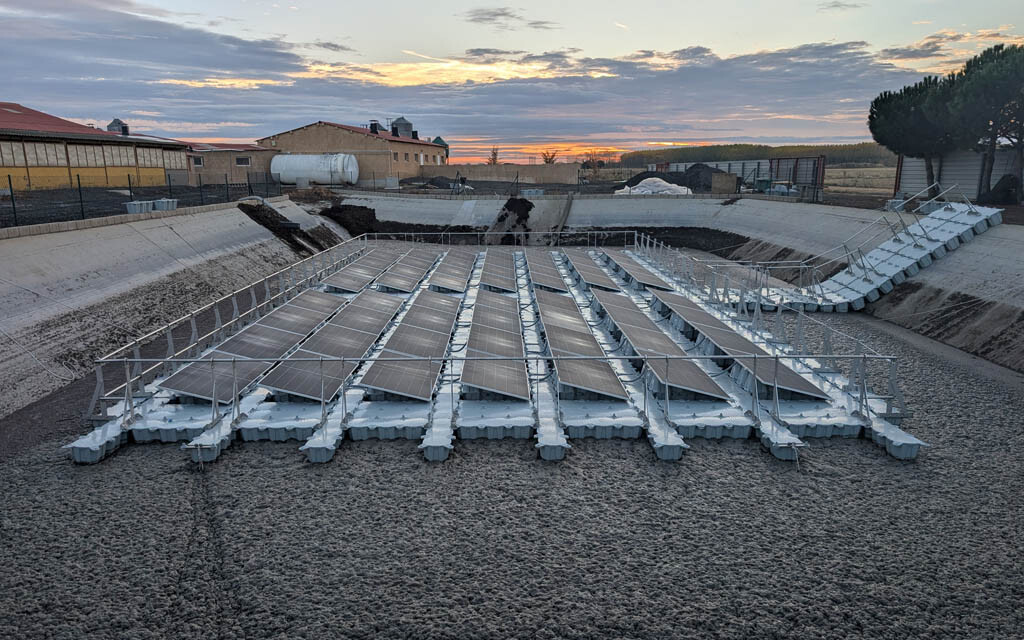
Aragon has a serious problem with toxic emissions from its pig slurry ponds, and the solution is to cover them with solar panels. The region is home to over 4,000 pig farms, producing thousands of tons of meat for global markets. But these farms also generate massive amounts of slurry—a waste product stored in ponds that release harmful gases like methane, ammonia, and nitrous oxide.
Now, Aragon is turning this environmental challenge into an opportunity by installing solar panels over the ponds. This innovative approach not only captures renewable energy but also reduces the release of toxic emissions into the atmosphere.
Find Original Home Decor sparking conversation at Grand Goldman Shop.

What Are Pig Slurry Ponds and Why Are They a Problem?
Pig slurry is a mixture of manure, urine, and water that is stored in large open ponds or lagoons on farms. While it can be used as fertilizer, its management poses significant environmental challenges. When stored in open ponds, the slurry undergoes anaerobic decomposition, releasing greenhouse gases and air pollutants.
Spain is one of the largest pork producers in the European Union, and the Spanish pork sector generates over 60 million tons of slurry each year. In Aragon alone, the concentration of pig farms means that slurry management is a pressing issue. The emissions from these ponds contribute to climate change and local air quality problems, drawing scrutiny from environmental groups and regulators.
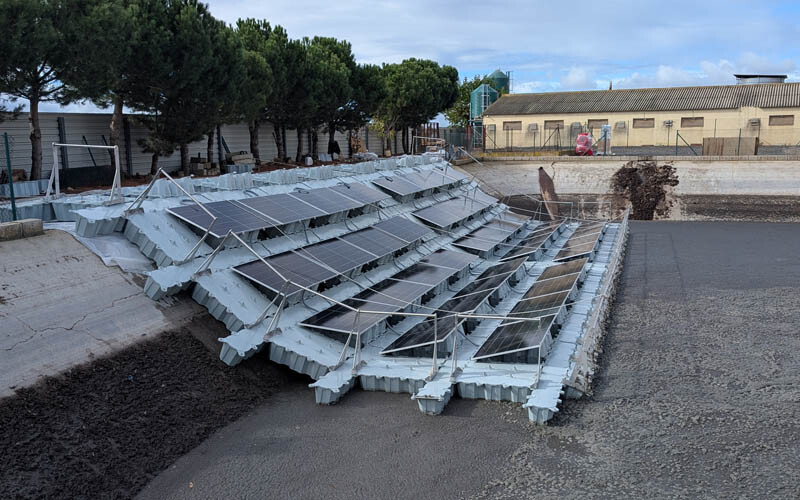
The Solar Panel Solution: How Does It Work?
The idea is simple yet effective: cover the slurry ponds with solar panels. This serves two purposes. First, the panels generate renewable electricity that can be used on the farm or fed into the grid. Second, the physical cover reduces the release of gases from the slurry into the atmosphere.
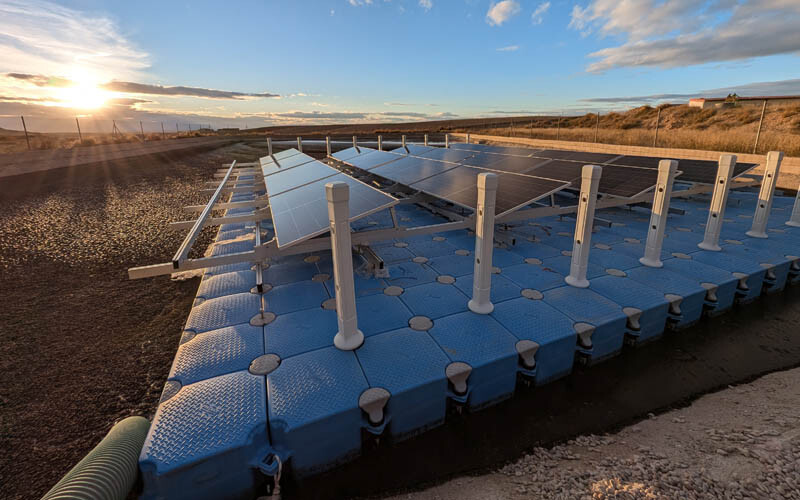
By trapping the gases, the system can also help capture methane, which could potentially be used as an energy source. However, the primary benefit highlighted is the reduction of toxic emissions. The panels also protect the slurry from rain, which can dilute it and increase the volume of waste that needs to be managed.
Why This Matters for Aragon and Beyond
Aragon's initiative is significant because it addresses a growing environmental concern in a region with intensive livestock farming. The project could serve as a model for other areas facing similar challenges. With the European Union pushing for stricter environmental regulations, such innovations are likely to become more common.
Moreover, the dual benefit of reducing emissions and producing clean energy aligns with broader climate goals. It demonstrates how agriculture and renewable energy can be integrated to create more sustainable food systems.
Key Takeaways from the Aragon Solar Slurry Project
- Emission reduction: Covering slurry ponds with solar panels cuts emissions of methane, ammonia, and nitrous oxide.
- Renewable energy generation: The panels produce clean electricity, adding value for farmers.
- Scalable solution: With over 4,000 pig farms in Aragon, the potential for widespread adoption is huge.
- Regulatory compliance: The project helps farmers meet environmental regulations.
- Model for other regions: Aragon's approach can inspire similar initiatives across Spain and Europe.
Challenges and Considerations
While the concept is promising, there are practical challenges. Installing solar panels over slurry ponds requires careful engineering to ensure structural integrity and safety. The corrosive environment of the slurry may affect the panels' longevity, and maintenance could be more complex than traditional solar installations.
Additionally, the cost of covering existing ponds could be a barrier for some farms. However, with falling solar prices and potential government incentives, the economic case is improving. The project in Aragon is still in its early stages, and its success will depend on how these challenges are addressed. The background to this story is set out in Spain's Solar Panel Waste Challenge: Recycling Aging Panels. A related thread runs through Are Solar Panels Worth It? Expert Answers on Cost & Planning. Earlier coverage in Renewable Energy Home Installations: Solar Panels & Heat Pumps shows how the argument developed.
What to Watch Next
As Aragon moves forward with this initiative, several factors will determine its impact. The scalability of the technology, the level of adoption among farmers, and the measurable reduction in emissions will be key indicators. If successful, the model could be replicated in other intensive livestock regions, contributing to a more sustainable agricultural sector. A closer look at the same subject appears in Heat Pumps and Solar Panels: Affordable Clean Energy Solutions. Anyone following the wider picture can start with Are Solar Panels Worth It? Expert Answers & Costs. The same theme surfaces in Feral Deer: Australia's Next Feral Pig Problem Without Action, which takes a different angle.
For now, Aragon's solar-covered slurry ponds represent a creative intersection of agriculture and renewable energy, turning a pollution problem into a source of clean power. Context on how this played out before sits in Solar Panels: A Complete DIY Guide to Photovoltaic Systems. A companion piece, Solar Panels for Hot Water: A Complete DIY Guide, approaches the same subject from another angle.
FAQ
What are pig slurry ponds?
Pig slurry ponds are large storage facilities for pig manure and wastewater. They are common on intensive pig farms and can emit harmful gases if not managed properly.
How do solar panels reduce emissions from slurry ponds?
Solar panels act as a physical cover, trapping gases like methane and ammonia that would otherwise escape into the atmosphere. This reduces air pollution and greenhouse gas emissions.
Is this solution cost-effective for farmers?
While initial installation costs can be high, solar panels generate electricity that can offset energy costs. With falling solar prices and potential subsidies, the economic viability is improving.
Can this approach be used in other countries?
Yes, the concept can be adapted to any region with intensive livestock farming and slurry storage. It offers a dual benefit of emission reduction and renewable energy production.
Browse the Shop
 Acacia frida deluxe solid wood bed frame |
Bedroom bench |
Bed chest drawers |
Lingerie dresser |
Frame base |
Mirror with jewelry storage |
30 Bathroom Vanity |
Memory foam queen mattress |
Mattresses for back pain |
Nightstand set of 2 |
Grand Goldman Shop |
Civil Lawyer
Deutschland Trikot WM 2026







