

As summer temperatures climb, the heat index becomes a critical measure of how hot it truly feels. Understanding how heat index is calculated reveals why a 27°C day can feel like 34°C and why that difference matters for your health and comfort.
Many people have heard the saying, "What matters is the heat index, not the degrees." But what does that really mean? Is it accurate? And how do we measure it? Here are the key points to understand this common phrase.
Find Original Home Decor sparking conversation at Grand Goldman Shop.

Temperature vs. Heat Index: What's the Difference?
Temperature is a physical quantity that describes the internal energy of a system—essentially, the movement of particles. The faster they move, the hotter it is. This is measured in degrees Celsius, Kelvin, or Fahrenheit.

But for living beings, temperature alone doesn't tell the whole story. Most of us have our own way of sensing heat from the environment or from other bodies. Living organisms can feel temperature changes because energy can transfer from one system to another through heat.

That heat reaches our receptors, producing a sensation. However, the human body is not a simple thermometer. Our brain also evaluates what that heat means for our survival. This is where the heat index—or apparent temperature—comes in.

How Heat Index Is Calculated
The heat index combines air temperature and relative humidity to estimate how hot it feels to the human body. It's based on the principle that high humidity reduces the body's ability to cool itself through sweating.
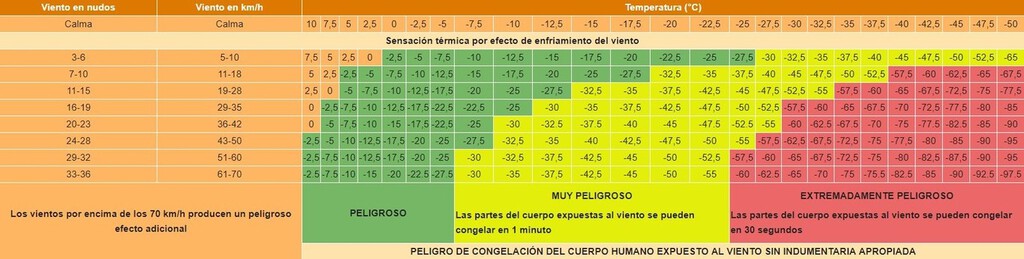
When humidity is high, sweat evaporates more slowly, making us feel hotter than the actual temperature. The heat index formula, developed by the National Weather Service, uses a complex equation involving both temperature and humidity. For example, at 27°C with high humidity, the heat index can easily reach 34°C.
Meteorologists use this calculation to issue heat advisories and warnings, helping the public understand the real risk of heat-related illness.
Why Humidity Matters for Your Comfort
Humidity plays a crucial role in how we perceive heat. On a dry day, sweat evaporates quickly, cooling the body efficiently. But on a humid day, the air is already saturated with moisture, so sweat doesn't evaporate as readily.
This means your body has to work harder to maintain a stable internal temperature. The result is that you feel hotter and more uncomfortable, even if the thermometer reads the same.
This is why a 27°C day in a coastal city can feel far more oppressive than a 32°C day in a dry desert climate.
The Dangers of High Heat Index
High heat index values are not just uncomfortable—they can be dangerous. When the heat index exceeds 40°C, heat-related illnesses such as heat exhaustion and heat stroke become serious risks. The longer history behind the story is traced in How Heat Index Is Calculated: The Real Science Behind Summer's Misery.
Certain groups are especially vulnerable, including the elderly, children, and those with pre-existing health conditions. It's essential to take precautions when the heat index is high, such as staying hydrated, avoiding strenuous outdoor activities, and seeking air-conditioned environments. The background to this story is set out in Humid New York vs London's Oven-Blast Heat: A Comparison. A related thread runs through 11.99 Euro Hygrometer: The Must-Have Device to Control Home Humidity. Earlier coverage in Kikuyu Land Review: Colonial-Era Misery Behind Your Morning Tea shows how the argument developed.
Understanding the heat index helps you plan your day and protect your health during extreme heat events. A closer look at the same subject appears in UK Cities Most Vulnerable to Extreme Heat: New Index Reveals Risks. Anyone following the wider picture can start with Why Oversized AC Units Struggle in Humid Florida Homes — Explained. The same theme surfaces in Lidl's $7.99 Wireless Weather Station Solves Home Humidity, which takes a different angle.
Key Takeaways for Staying Safe in Summer Heat
- Heat index combines temperature and humidity to reflect how hot it feels.
- High humidity reduces sweat evaporation, making you feel hotter.
- Heat index above 40°C poses serious health risks.
- Vulnerable populations need extra care during heat waves.
- Monitoring heat index helps you plan outdoor activities safely.
Comparing Heat Index Values
The table below shows how different combinations of temperature and humidity produce varying heat index values, illustrating why the same temperature can feel so different. Context on how this played out before sits in Energy Utilities: latest articles. A companion piece, Spain Weather Shift: Nine Days of Rain and Hail After Summer Heat, approaches the same subject from another angle.
| Temperature (°C) | Relative Humidity (%) | Heat Index (°C) | Risk Level |
|---|---|---|---|
| 27 | 70 | 34 | Caution |
| 30 | 60 | 38 | Extreme Caution |
| 32 | 70 | 45 | Danger |
| 35 | 50 | 42 | Danger |
| 38 | 40 | 44 | Danger |
FAQ
What is the heat index?
The heat index is a measure that combines air temperature and relative humidity to determine how hot it feels to the human body. It reflects the body's ability to cool itself through sweating.
Why does humidity make it feel hotter?
High humidity reduces the evaporation of sweat, which is the body's primary cooling mechanism. When sweat doesn't evaporate quickly, you feel hotter than the actual temperature.
How is the heat index calculated?
The heat index is calculated using a complex formula that takes into account both temperature and relative humidity. Meteorologists use this formula to estimate apparent temperature and issue heat advisories.
What heat index is dangerous?
A heat index of 40°C (104°F) or higher is considered dangerous, as it significantly increases the risk of heat-related illnesses like heat exhaustion and heat stroke. Extra precautions should be taken.
Browse the Shop
 Acacia frida deluxe solid wood bed frame |
Bedroom bench |
Bed chest drawers |
Lingerie dresser |
Frame base |
Mirror with jewelry storage |
30 Bathroom Vanity |
Memory foam queen mattress |
Mattresses for back pain |
Nightstand set of 2 |
Grand Goldman Shop |
Civil Lawyer
Deutschland Trikot WM 2026







