

Saw Mill River daylighting in Yonkers, New York, transformed a hidden waterway into a vibrant aquatic habitat in just six months. In 2012, the city removed the Larkin Plaza parking lot to reveal the river that had flowed beneath downtown for decades.
The project reversed nearly a century of urban planning that had buried the river under concrete. It stands as a powerful example of how cities can restore natural ecosystems while revitalizing urban spaces.
Find Original Home Decor sparking conversation at Grand Goldman Shop.

Why Was the Saw Mill River Buried?
The Saw Mill River was once a cornerstone of Yonkers' development. Its hydraulic power fueled mills as early as the 17th century, helping the city grow into an industrial hub along the Hudson River.
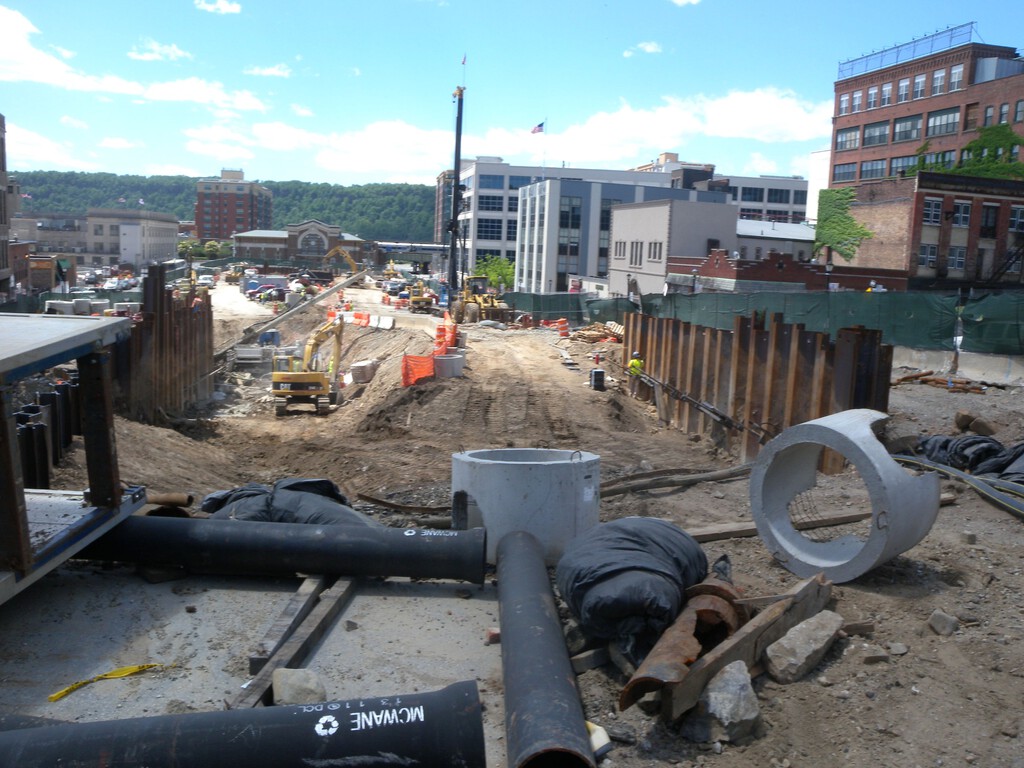
As Yonkers expanded, however, land became scarce and valuable. The river, increasingly polluted, was seen as an obstacle. In the 1920s, the city channelized and eventually buried its last downtown stretches under concrete, turning the waterway into a hidden culvert.
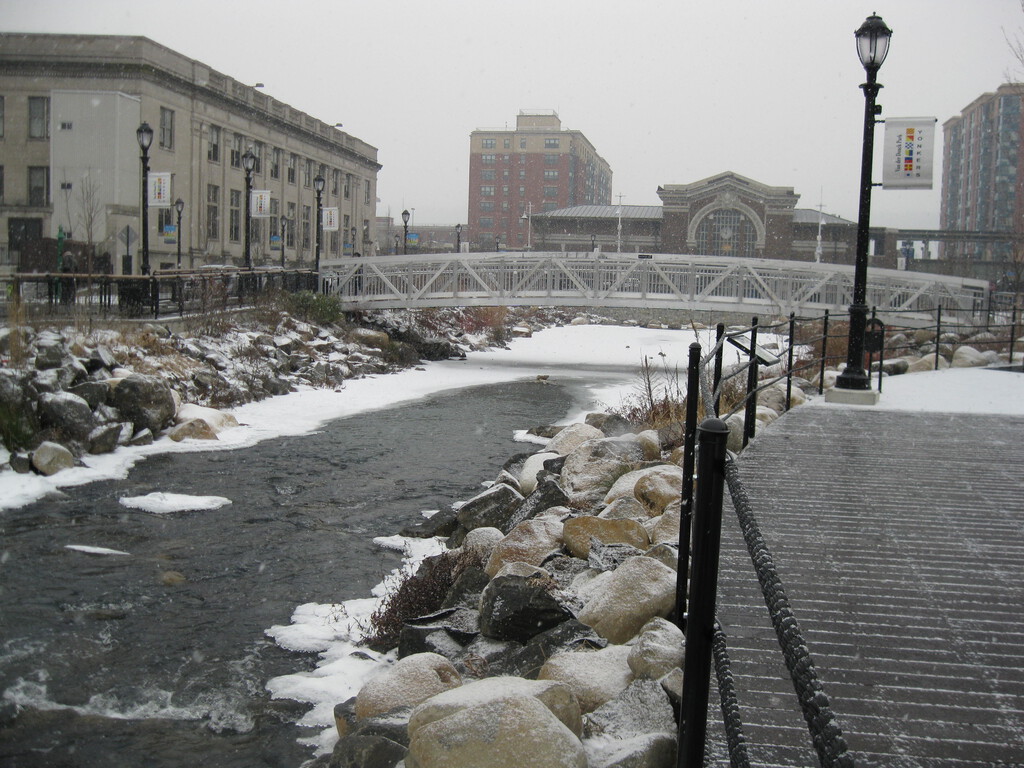
For decades, the river flowed unnoticed beneath streets and parking lots. The very resource that had helped build the city was literally paved over.
The Daylighting Project: Reversing a Century of Urbanism
By the early 2000s, momentum grew to bring the Saw Mill back to the surface. Public agencies and environmental organizations collaborated on a plan to uncover a section of the river and create an open channel.
In 2012, Yonkers completed the first phase: the Larkin Plaza parking lot was demolished, and part of the river was diverted into a new, exposed riverbed. The project aimed to restore natural habitat, improve water quality, and create a public amenity.
The transformation was swift. Within six months, the new channel was teeming with life—aquatic plants, fish, and birds quickly colonized the restored habitat.
Environmental and Community Benefits
Daylighting the Saw Mill River delivered multiple benefits. It restored a natural ecosystem in the heart of the city, providing habitat for wildlife and improving water quality by exposing the river to sunlight and natural processes.
The project also created a beautiful public space. Instead of a parking lot, residents and visitors now enjoy a riverfront park with walking paths and greenery. The restored river has become a focal point for downtown Yonkers, boosting local pride and potentially attracting economic development.
Moreover, the project demonstrated that urban areas can coexist with nature. It showed how cities can correct past environmental mistakes and enhance resilience against flooding by giving rivers room to flow.
Key Takeaways from the Saw Mill River Daylighting
- Reversing urban mistakes is possible: Yonkers replaced a parking lot with a thriving river, proving that cities can undo decades of harmful planning.
- Nature rebounds quickly: Within six months, the restored river was full of life, highlighting the resilience of ecosystems when given a chance.
- Multiple benefits: Daylighting improves water quality, creates public spaces, and supports biodiversity.
- Collaboration is key: The project succeeded through partnerships between public agencies and environmental groups.
- Inspiration for other cities: The Saw Mill River serves as a model for urban river restoration worldwide.
Challenges and Lessons Learned
Daylighting a buried river is not without challenges. It requires careful planning, significant funding, and coordination among multiple stakeholders. Contamination from years of urban runoff must be addressed, and engineering solutions must manage flood risks.
The Saw Mill project faced these hurdles but demonstrated that the benefits outweigh the costs. It also highlighted the importance of community engagement and long-term maintenance.
Other cities looking to daylight their buried rivers can learn from Yonkers' experience. Key steps include assessing historical flows, securing funding, and designing for both ecology and public access. Context on how this played out before sits in Saw Mill River Daylighting: How Yonkers Reclaimed a Buried River.
Comparison of Before and After
| Aspect | Before Daylighting (Pre-2012) | After Daylighting (2012 Onward) |
|---|---|---|
| River visibility | Buried under concrete parking lot | Open channel in downtown Yonkers |
| Ecological function | Degraded, polluted culvert | Restored aquatic habitat with plants and wildlife |
| Public access | None; area used for parking | Riverfront park with walking paths |
| Water quality | Poor due to lack of sunlight and flow | Improved through natural processes |
| Community impact | Underutilized space | Vibrant public amenity and civic pride |
What Other Cities Can Learn
The Saw Mill River daylighting is a beacon of hope for urban ecology. It shows that even heavily modified cities can restore natural processes and reap the rewards. The background to this story is set out in Energy Utilities: latest articles. A related thread runs through Soviet Water Diversion for Cotton Created the Aralkum Desert.
As climate change brings more extreme rainfall, giving rivers space to flow naturally can also reduce flood risks. Daylighting projects like this one offer a sustainable alternative to traditional concrete channels. Earlier coverage in Valencia's Record-Breaking Tropical Night: 37°C at Midnight shows how the argument developed. A closer look at the same subject appears in Chile's Andes Solar Hub Adds 510 MW of Battery Storage.
Yonkers' success story continues to inspire planners and environmentalists. It proves that with vision and collaboration, cities can bring buried rivers back to life. Anyone following the wider picture can start with Madrid's 23,000 m² Wave Pool: Europe's Largest Surf Dream. The same theme surfaces in Andalusia's Drying Rivers Expose Overtourism and Water Crisis, which takes a different angle.
FAQ
What is river daylighting?
River daylighting is the process of uncovering a river that has been buried or culverted, restoring it to an open channel. It aims to revive natural habitats, improve water quality, and create public spaces.
How long did it take for the Saw Mill River to become a habitat?
According to reports, within just six months after the daylighting project was completed in 2012, the new channel was filled with aquatic life. This rapid recovery highlights the resilience of nature when given the opportunity.
Why was the Saw Mill River buried in the first place?
The river was buried in the 1920s as Yonkers grew and land became scarce. It was channelized and covered to make way for development, including parking lots, and because the river had become polluted.
What are the benefits of daylighting urban rivers?
Daylighting restores ecosystems, improves water quality, creates recreational spaces, and can reduce flood risks. It also fosters community pride and can stimulate economic development.
Browse the Shop
 Acacia frida deluxe solid wood bed frame |
Bedroom bench |
Bed chest drawers |
Lingerie dresser |
Frame base |
Mirror with jewelry storage |
30 Bathroom Vanity |
Memory foam queen mattress |
Mattresses for back pain |
Nightstand set of 2 |
Grand Goldman Shop |
Civil Lawyer
Deutschland Trikot WM 2026







