

Video game marketing is shifting toward desperate measures as the industry grapples with its fading cultural relevance. Capcom's recent campaign for the new Resident Evil is a prime example: instead of focusing on gameplay guides or weapon strategies, the company is leveraging thirst tweets and viral clips to generate buzz. This approach, typically reserved for Hollywood stars, is now being applied to fictional characters like Leon Kennedy, signaling a broader trend in the gaming industry.
The Rise of Thirst Tweets and Viral Clips
If you've searched TikTok for Resident Evil gameplay, you've likely encountered videos dedicated to Leon Kennedy's back, his grunts, or the way he forces open a cabinet—not tips on defeating zombies. This is no accident. Capcom has deliberately crafted a campaign that prioritizes social media presence and fan desire over traditional game promotion.
Find Original Home Decor sparking conversation at Grand Goldman Shop.

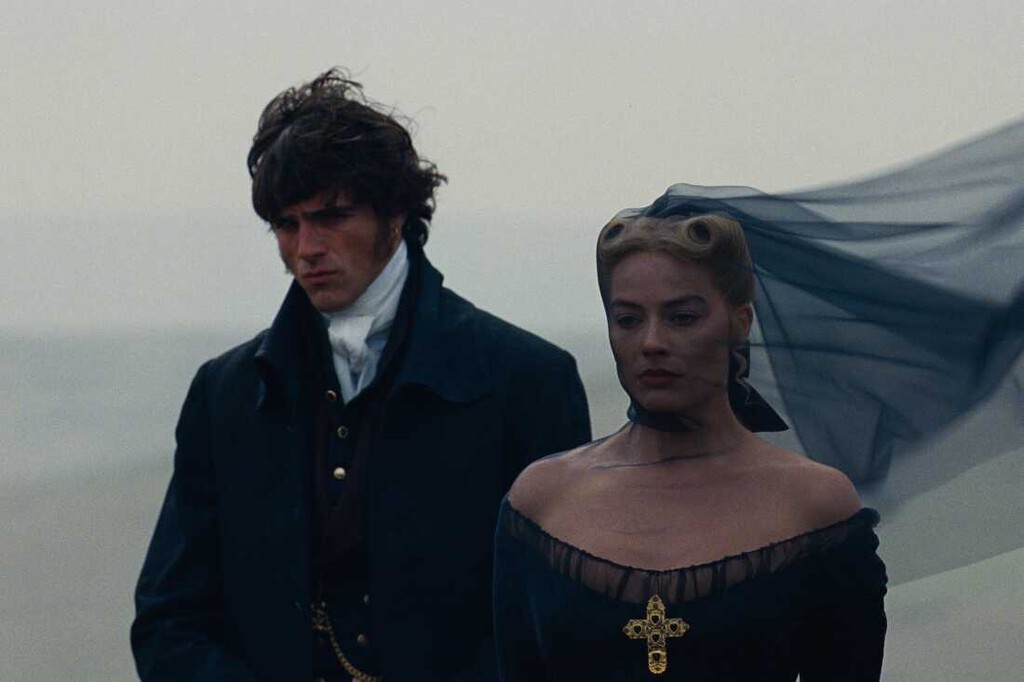
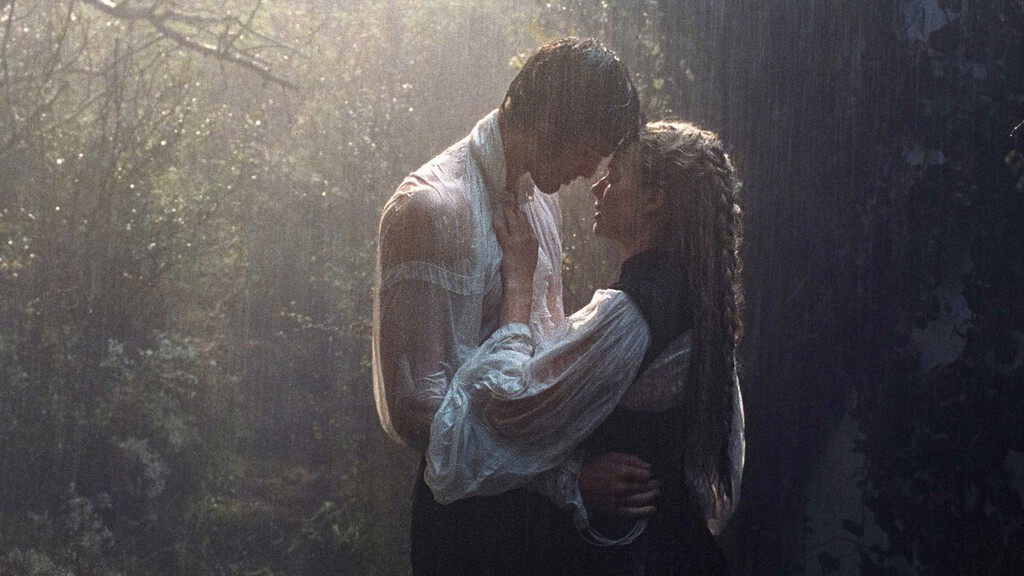
Thirst tweets—messages where fans express attraction or admiration for a character—and clips designed to go viral are now central to the marketing strategy. This mirrors tactics used in film promotions, such as Jacob Elordi's recent press tour for Wuthering Heights, where fancams dominated social media. The difference? Here, the subject is a fictional character, not a Hollywood star, yet the effect is strikingly similar.
Why Video Games Are Losing Cultural Ground
The gaming industry has long been a cultural powerhouse, but recent years have seen a shift. With attention spans fragmented across platforms, games struggle to maintain the monolithic presence they once had. Streaming services, social media, and short-form content compete for the same eyeballs.
As a result, game companies are resorting to more aggressive and unconventional marketing tactics. The goal is no longer just to sell a game but to keep it in the cultural conversation. Capcom's approach is a clear response to this pressure, but it raises questions about the sustainability of such strategies.
Capcom's Calculated Gamble
Capcom's campaign for Resident Evil is not just about generating hype; it's about creating a continuous presence on social media. By focusing on character appeal and fan reactions, the company ensures that the game remains a topic of discussion long after launch.
However, this strategy comes with risks. Overemphasis on viral moments can overshadow the game itself, leading to a disconnect between marketing and actual player experience. Moreover, it may alienate long-time fans who prefer substance over spectacle. The background to this story is set out in Resident Evil Games in Chronological Order: The Complete Story Timeline. A related thread runs through How Zach Cregger's Resident Evil Redefines Game Adaptations.
Key Takeaways for the Industry
- Social media dominance is becoming as important as game quality for cultural relevance.
- Character-driven marketing can generate massive engagement but may dilute the focus on gameplay.
- Viral tactics borrowed from film promotions are increasingly common in gaming.
- Fan desire and thirst tweets are powerful tools but require careful handling to avoid backlash.
- Cultural relevance is fleeting; companies must innovate to maintain presence.
Comparing Marketing Strategies: Traditional vs. Viral
| Aspect | Traditional Marketing | Viral Marketing |
|---|---|---|
| Focus | Game features, gameplay | Character appeal, fan reactions |
| Channels | Trailers, reviews, events | Social media, influencers, memes |
| Engagement | Broad but shallow | Deep but niche |
| Risk | Low | High (backlash, overshadowing) |
| Example | E3 presentations | Thirst tweets, fancams |
What This Means for Gamers and the Industry
For gamers, this shift means more content to consume but potentially less focus on the games themselves. It also raises questions about how much of the marketing reflects the actual product. For the industry, it's a wake-up call: cultural relevance cannot be taken for granted. Earlier coverage in Zach Cregger on Resident Evil Reboot and Weapons Success shows how the argument developed. A closer look at the same subject appears in Resident Evil Review: Zach Cregger's Wild Horror Rollercoaster.
As video games compete with other entertainment forms, companies must find a balance between innovative marketing and delivering quality experiences. Capcom's gamble may pay off in the short term, but the long-term effects remain uncertain. Anyone following the wider picture can start with Glasgow 2026 Commonwealth Games Prove Relevance for Next 100. The same theme surfaces in Welfare in Britain: A Positive History and Modern Relevance, which takes a different angle.
FAQ
What are thirst tweets in video game marketing?
Thirst tweets are social media posts where fans express attraction or admiration for a character. Game companies like Capcom are leveraging these to generate buzz and keep their games in the cultural conversation.
Why is Capcom focusing on viral clips for Resident Evil?
Capcom aims to create constant social media presence and generate desire among fans. Viral clips featuring character appeal are more likely to be shared, increasing visibility and engagement.
Is this marketing strategy effective?
It can be highly effective in generating short-term buzz and engagement. However, it risks overshadowing the game itself and may not appeal to all fans, especially those who prioritize gameplay.
What does this mean for the future of video game marketing?
It suggests a shift toward more character-driven, social media-focused campaigns. Companies will need to balance viral tactics with traditional marketing to maintain authenticity and long-term fan loyalty.
Browse the Shop
 Acacia frida deluxe solid wood bed frame |
Bedroom bench |
Bed chest drawers |
Lingerie dresser |
Frame base |
Mirror with jewelry storage |
30 Bathroom Vanity |
Memory foam queen mattress |
Mattresses for back pain |
Nightstand set of 2 |
Grand Goldman Shop |
Civil Lawyer
Deutschland Trikot WM 2026







