

Earth's oxygen has an expiration date, according to a new international study published in Nature Geoscience. The research suggests that our oxygen-rich atmosphere will last approximately one billion more years, after which a rapid deoxygenation event will return the planet to an atmospheric state similar to the Archean Earth of about 2.5 billion years ago.
The study, conducted by Japanese and American scientists, involved over 400,000 simulations of Earth's geological and biological evolution. The findings challenge previous estimates that the biosphere had another two billion years before the oceans evaporate due to long-term global warming.
Find Original Home Decor sparking conversation at Grand Goldman Shop.

Why Earth's Oxygen Will Disappear
According to the researchers, increasing solar radiation will intensify the carbonate-silicate cycle. This process will cause a drastic decrease in carbon dioxide concentrations. With less CO₂, photosynthetic organisms such as plants—the primary producers of oxygen—will die off.
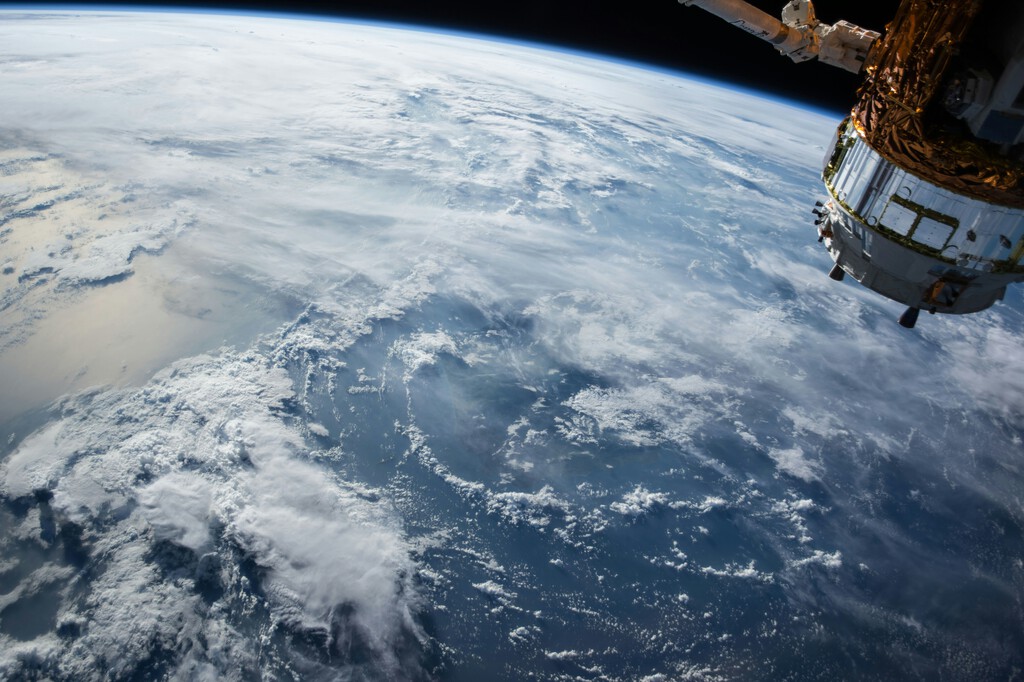
The result is a steep decline in atmospheric oxygen. Only anaerobic life forms may survive, with oxygen levels dropping to about one-millionth of today's concentration. Complex life, which depends on oxygen, would no longer be sustainable.
What This Means for Life on Earth
The study's timeline is far beyond human existence, so there is no immediate cause for alarm. However, it provides insight into the long-term habitability of our planet and the fragility of oxygen-dependent life.
For now, we can breathe easy. The oxygen that supports complex life will persist for hundreds of millions of generations. Yet the research underscores that Earth's atmospheric composition is not permanent.
- Earth's oxygen-rich atmosphere has about one billion years left.
- Increased solar radiation will reduce CO₂, killing photosynthetic organisms.
- Oxygen levels will plummet to a fraction of today's levels.
- Complex life will become impossible; only anaerobic life may survive.
- The study used over 400,000 simulations to model Earth's future.
Comparing Previous Estimates
| Study | Estimated Time Until Ocean Evaporation | Key Factor |
|---|---|---|
| Previous estimates | 2 billion years | Global warming |
| New study (Nature Geoscience) | 1 billion years | Deoxygenation due to CO₂ decline |
The new timeline is roughly half of previous estimates. The difference lies in the mechanism: earlier models focused on ocean evaporation from solar heating, while the new study highlights the collapse of photosynthesis due to CO₂ starvation.
Implications for Astrobiology
This research also has implications for the search for life on other planets. If oxygen-rich atmospheres are temporary, then detecting oxygen on exoplanets may not guarantee the presence of complex life. It could instead indicate a planet in a transitional phase.
Scientists may need to reconsider the biosignatures they use to identify habitable worlds. The study suggests that oxygen is a fleeting feature in a planet's history, not a permanent one. The background to this story is set out in South African Rocks May Solve Earth's Great Oxygen Mystery. A related thread runs through Earth-Like Exoplanet Found with Atmosphere in Habitable Zone. Earlier coverage in Earth-Like Exoplanet Found with Atmosphere Boosts Life Search shows how the argument developed.
What to Watch Next
Future studies will likely refine these models by incorporating more variables, such as the role of plate tectonics and the evolution of the Sun. Understanding the exact timing of deoxygenation will help scientists predict the fate of Earth's biosphere. A closer look at the same subject appears in Earth-Like Exoplanet with Atmosphere Found 49 Light Years Away. Anyone following the wider picture can start with Meaning Expiration: What That Date Label Really Tells You — Explained. The same theme surfaces in Enceladus Habitability Boosted by Earth Microbes Survival, which takes a different angle.
For now, the takeaway is clear: Earth's oxygen is not forever, but it will outlast humanity by a vast margin. The study serves as a reminder of the dynamic nature of our planet's atmosphere. Context on how this played out before sits in Consumerism and Planet Earth: Will Consumerism Fill the Planet.
FAQ
When will Earth's oxygen run out?
According to the study, Earth's oxygen-rich atmosphere will last approximately one billion more years. After that, a rapid deoxygenation event will occur, returning the atmosphere to a state similar to the Archean Earth.
Why will oxygen levels drop?
Increasing solar radiation will intensify the carbonate-silicate cycle, leading to a drastic reduction in carbon dioxide. With less CO₂, photosynthetic organisms will die, causing a steep decline in atmospheric oxygen.
What life forms will survive?
Only anaerobic life forms may survive after deoxygenation. Oxygen levels will drop to about one-millionth of today's concentration, making complex life impossible.
How does this study differ from previous estimates?
Previous estimates suggested the biosphere had about two billion years before ocean evaporation. The new study, based on over 400,000 simulations, finds that deoxygenation will occur in about one billion years due to CO₂ decline.
Browse the Shop
 Acacia frida deluxe solid wood bed frame |
Bedroom bench |
Bed chest drawers |
Lingerie dresser |
Frame base |
Mirror with jewelry storage |
30 Bathroom Vanity |
Memory foam queen mattress |
Mattresses for back pain |
Nightstand set of 2 |
Grand Goldman Shop |
Civil Lawyer
Deutschland Trikot WM 2026







