

ASUS has unveiled its new ProArt P14 and ProArt P16 laptops, equipped with NVIDIA RTX Spark and up to 128GB of memory, designed to handle demanding generative AI workloads directly on the device. The announcement at IFA 2026 signals a shift toward machines that are built around AI, not just adding AI features as an afterthought.
What Is NVIDIA RTX Spark?
NVIDIA RTX Spark is a platform tailored for creators and developers who want to run generative AI and agent-based workflows locally. It combines NVIDIA Blackwell RTX architecture with up to 6,144 CUDA cores, delivering the computational muscle needed for tasks like AI image generation, model training, and real-time rendering.
Find Original Home Decor sparking conversation at Grand Goldman Shop.

Unlike cloud-based AI, local processing offers privacy, reduced latency, and independence from internet connectivity. The ProArt series aims to make high-performance local AI accessible in a portable form factor.
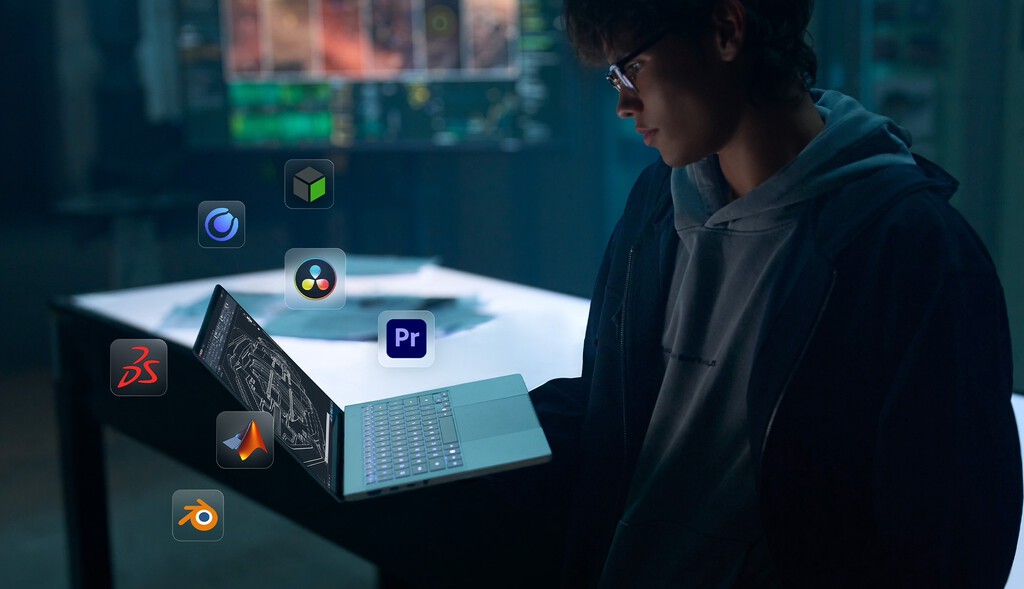
ASUS ProArt P14 and P16: Key Specifications
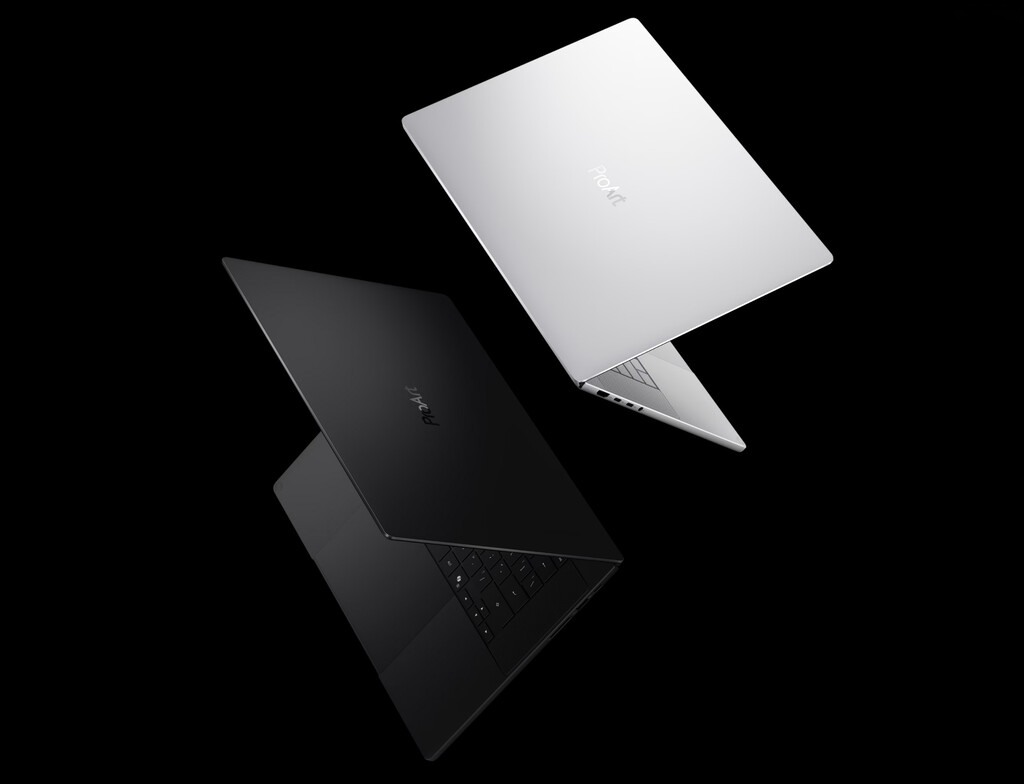
Both models share the same technological foundation but differ in size, display, weight, and battery. The P14 targets users who prioritize portability, while the P16 offers a larger canvas for creative work.
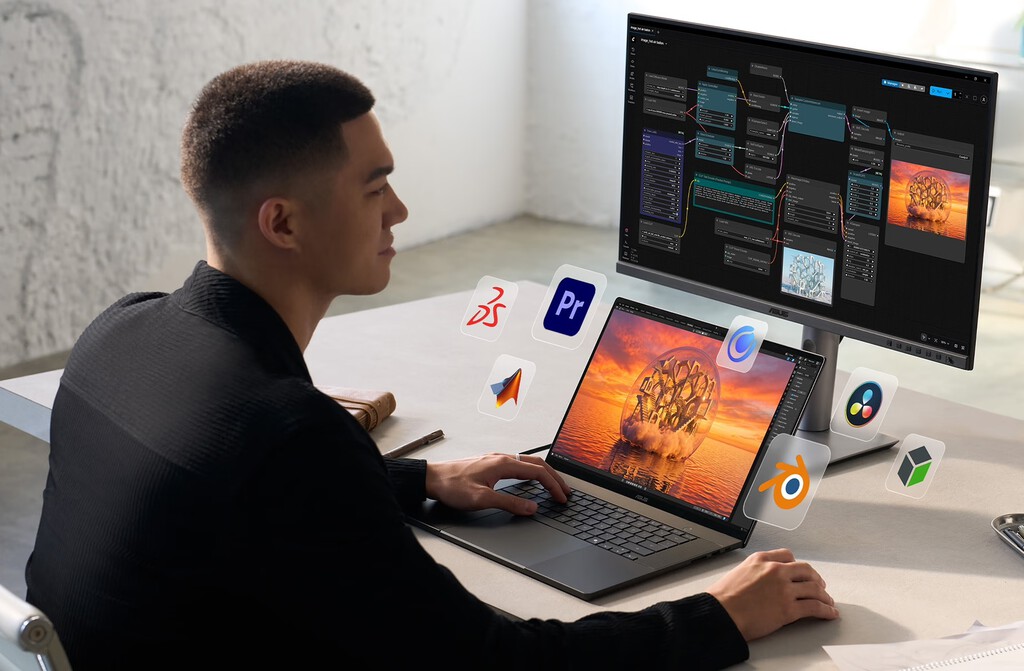
| Feature | ProArt P14 | ProArt P16 |
|---|---|---|
| Display | 14-inch OLED, 3K (2880 x 1800), 16:10, 120Hz, up to 1600 nits HDR, 100% DCI-P3, Delta E < 1, anti-glare | 16-inch OLED, 3K (2880 x 1800), 16:10, 120Hz, up to 1600 nits HDR, 100% DCI-P3, Delta E < 1, anti-glare |
| GPU | NVIDIA Blackwell RTX with up to 6,144 CUDA cores | NVIDIA Blackwell RTX with up to 6,144 CUDA cores |
| Memory | Up to 128GB | Up to 128GB |
| Ports | 3x USB4 Type-C (40Gbps, DisplayPort/Power Delivery), 1x USB 3.2 Gen 2 Type-A, HDMI 2.1 FRL, 3.5mm jack, SD 4.0 reader | 3x USB4 Type-C (40Gbps, DisplayPort/Power Delivery), 1x USB 3.2 Gen 2 Type-A, HDMI 2.1 FRL, 3.5mm jack, SD 4.0 reader |
The OLED displays are particularly noteworthy: with 120Hz refresh rates and 1600 nits peak brightness, they meet the demands of HDR content creation and color-critical work.
Why Local AI Matters for Creators
Running AI workloads locally eliminates the need to upload sensitive data to the cloud, which is crucial for professionals handling confidential client projects. It also reduces latency, enabling real-time interaction with AI tools.
With up to 128GB of RAM, these laptops can handle large language models and complex generative AI tasks that would typically require a desktop workstation. This opens up new possibilities for on-the-go creativity.
- Privacy: Keep proprietary data on-device.
- Performance: Up to 6,144 CUDA cores accelerate AI and rendering tasks.
- Portability: Thin-and-light designs without sacrificing power.
- Display: 3K OLED with 120Hz and 1600 nits for accurate visuals.
- Connectivity: USB4, HDMI 2.1, and SD 4.0 for versatile workflows.
Who Should Consider the ProArt P14 or P16?
These laptops are aimed at creative professionals, AI developers, and content creators who need to run demanding applications locally. The P14 suits those who travel frequently, while the P16 is better for studio work where a larger screen is beneficial.
If you're a video editor working with 8K footage or a 3D artist rendering complex scenes, the combination of RTX Spark and ample memory could significantly speed up your workflow. Anyone following the wider picture can start with ASUS ProArt P14 and P16: NVIDIA RTX Spark for Local AI. The same theme surfaces in Anker Unifies Five Brands Under One Name in Major Rebrand, which takes a different angle.
What to Watch Next
ASUS has not yet announced pricing or availability, but given the high-end specs, these laptops will likely command a premium. Competitors are also moving toward local AI capabilities, so the ProArt series will need to prove its worth in real-world tests. The background to this story is set out in Lenovo Yoga Laptops and Tablets Bring Local AI and 4K Screens to Creatives. A related thread runs through Dell XPS 16 Creator Edition: Agentic AI and NVIDIA RTX Spark.
We'll be watching for benchmarks and hands-on reviews to see how the RTX Spark platform performs in creative applications. Earlier coverage in Nvidia RTX Spark: A New Era for Windows PCs and AI shows how the argument developed. A closer look at the same subject appears in Technology: latest articles.
FAQ
What is NVIDIA RTX Spark?
NVIDIA RTX Spark is a platform designed for creators and developers to run generative AI and agent-based workloads locally. It combines NVIDIA Blackwell RTX architecture with high CUDA core counts for on-device AI processing.
How much RAM do the ASUS ProArt P14 and P16 support?
Both laptops support up to 128GB of RAM, allowing them to handle large language models and complex AI tasks that typically require a desktop workstation.
What are the main differences between the P14 and P16?
The primary differences are screen size (14-inch vs. 16-inch), weight, and battery life. Both share the same NVIDIA RTX Spark platform and up to 128GB RAM, but the P14 is more portable while the P16 offers a larger display.
When will the ASUS ProArt P14 and P16 be available?
ASUS announced the laptops at IFA 2026 but has not yet disclosed pricing or availability dates. We expect more details to emerge in the coming months.
The ProArt P14 and P16 represent a significant step toward local AI for creators. For a deeper look at how these machines compare to other ARM-based laptops, see our ASUS ProArt P16 RTX Spark review. If you're in Spain, you might also be interested in the ASUS ProArt laptops with NVIDIA RTX Spark landing in Spain.
Browse the Shop
 Acacia frida deluxe solid wood bed frame |
Bedroom bench |
Bed chest drawers |
Lingerie dresser |
Frame base |
Mirror with jewelry storage |
30 Bathroom Vanity |
Memory foam queen mattress |
Mattresses for back pain |
Nightstand set of 2 |
Grand Goldman Shop |
Civil Lawyer
Deutschland Trikot WM 2026







