

The JPEG image format, ubiquitous in digital photography, owes its existence to an unlikely source: a 1972 Playboy centerfold featuring Swedish model Lena Sjööblom. Her image became the standard test picture for researchers developing image compression algorithms, ultimately leading to the JPEG standard we use today.
In the early 1970s, Sjööblom, a 21-year-old Swedish immigrant, was trying to make it as a model in the United States. In late 1972, she posed nude for Playboy, a magazine that sold millions of copies worldwide. One of the centerfold photos, shot by Dwight Hooker, shows her from behind, facing a mirror, wearing only a wide-brimmed hat, a red feather boa, stockings, and heels.
Find Original Home Decor sparking conversation at Grand Goldman Shop.

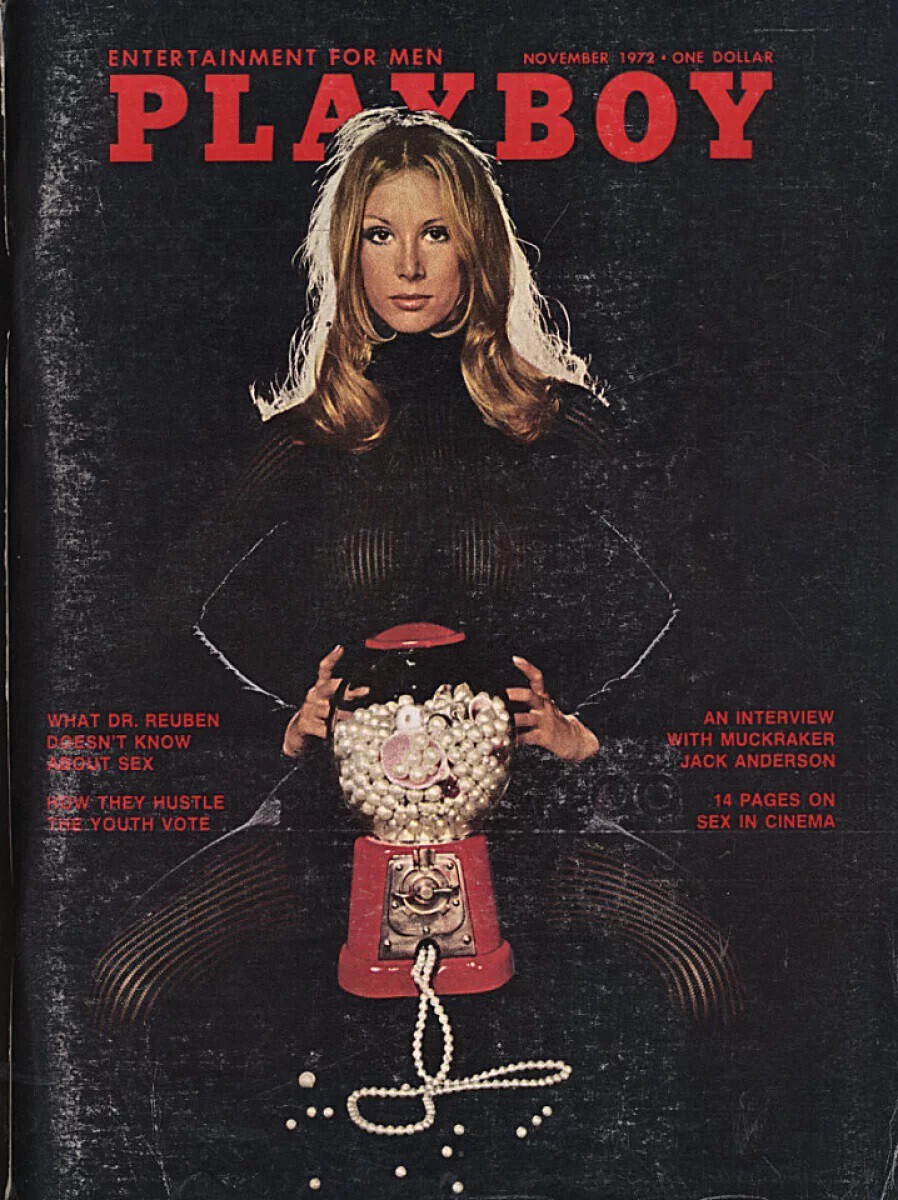
The November 1972 issue, with Sjööblom as the main playmate and Pamela Rawlings on the cover, sold 7.16 million copies, making it one of the best-selling issues in Playboy's history. Little did she know that this image would become a cornerstone of digital imaging.
Why the Lena Image Became a Standard
In the 1970s and 1980s, researchers at the University of Southern California's Image Processing Institute were working on digital image compression. They needed a set of standard test images to compare different algorithms. The Lena image, as it came to be known, was chosen because it contained a mix of textures, smooth areas, and sharp edges—ideal for testing compression techniques.
The image was scanned and distributed among researchers, who used it to evaluate their work. Its popularity grew organically, and it became a de facto standard in the field. The Lena image appeared in countless research papers and helped advance the development of the JPEG format, which was standardized in 1992.
The Role of the Lena Image in JPEG Development
The JPEG (Joint Photographic Experts Group) format was created by a committee of experts from various organizations. They used the Lena image, among others, to test and refine their compression algorithms. The image's characteristics made it suitable for evaluating how well an algorithm could handle different types of visual information.
Over the years, the use of the Lena image has sparked controversy due to its origin in a nude magazine. Some researchers have called for retiring the image, arguing that it is inappropriate and that better test images are available. Others defend its continued use as a matter of tradition and practicality.
The Legacy of Lena Sjööblom
Sjööblom herself remained largely unaware of her impact on technology until much later. She worked as a model for a few years before returning to Sweden, where she lived a quiet life. She passed away in 2019, but her image lives on in the digital world. Context on how this played out before sits in How a 1972 Playboy Centerfold Became the JPEG Image Standard.
Her story is a reminder that technological progress often comes from unexpected places. The JPEG format, which enables us to share photos instantly, has a history that is as surprising as it is fascinating. The background to this story is set out in Technology: latest articles. A related thread runs through Greece Moves to End Online Anonymity in Internet Reform.
What This Means for Digital Imaging Today
The JPEG standard revolutionized how we capture, store, and share images. It made digital photography accessible to the masses by reducing file sizes without significant loss of quality. Today, billions of JPEG images are created every day, from smartphone snapshots to professional portfolios. Earlier coverage in Congress Takes First Step to Limit LaLiga IP Blocking shows how the argument developed. A closer look at the same subject appears in App Notification Spam: Why Disabling Them Fails and What.
Understanding the origins of JPEG helps us appreciate the collaborative and sometimes serendipitous nature of technological innovation. It also highlights the importance of diverse test images in research to ensure algorithms perform well across different scenarios. Anyone following the wider picture can start with AI Image Detection: Expert Tricks to Spot Fakes. The same theme surfaces in Why Sneezing Was a Death Omen During the Black Death, which takes a different angle.
Key Takeaways
- The Lena image, a 1972 Playboy centerfold, became a standard test image in image processing research.
- It played a crucial role in the development of the JPEG compression standard.
- The image's use is controversial due to its origin, but it remains a part of computing history.
- Lena Sjööblom's contribution to technology was accidental and largely unrecognized during her lifetime.
Comparison of Image Formats
| Format | Year Introduced | Compression Type | Typical Use |
|---|---|---|---|
| JPEG | 1992 | Lossy | Photographs, web images |
| PNG | 1996 | Lossless | Graphics, images with transparency |
| GIF | 1987 | Lossless | Simple animations, graphics |
| WebP | 2010 | Lossy and lossless | Web images, efficient compression |
FAQ
Who is Lena Sjööblom?
Lena Sjööblom was a Swedish model who appeared as a Playboy playmate in 1972. Her centerfold photo became a standard test image in digital image processing research.
Why is the Lena image used in image processing?
The Lena image contains a good mix of textures, smooth areas, and edges, making it ideal for testing image compression algorithms. It was widely adopted by researchers in the 1970s and 1980s.
How did the Lena image influence JPEG?
The Lena image was used as a test image during the development of the JPEG standard. It helped researchers evaluate and refine compression algorithms, contributing to the final specification.
Is the Lena image still used today?
Its use has declined due to controversy over its origin, but it still appears in some research and educational contexts. Many researchers now prefer alternative test images.
Browse the Shop
 Acacia frida deluxe solid wood bed frame |
Bedroom bench |
Bed chest drawers |
Lingerie dresser |
Frame base |
Mirror with jewelry storage |
30 Bathroom Vanity |
Memory foam queen mattress |
Mattresses for back pain |
Nightstand set of 2 |
Grand Goldman Shop |
Civil Lawyer
Deutschland Trikot WM 2026







