

Invisible induction cooktops are the latest evolution in kitchen technology, allowing you to cook directly on the countertop without a visible hob. This innovative system is gaining viral attention on social media platforms like TikTok and Instagram, but it's more than just a trend—it's a functional upgrade for modern kitchens.
What Are Invisible Induction Cooktops?
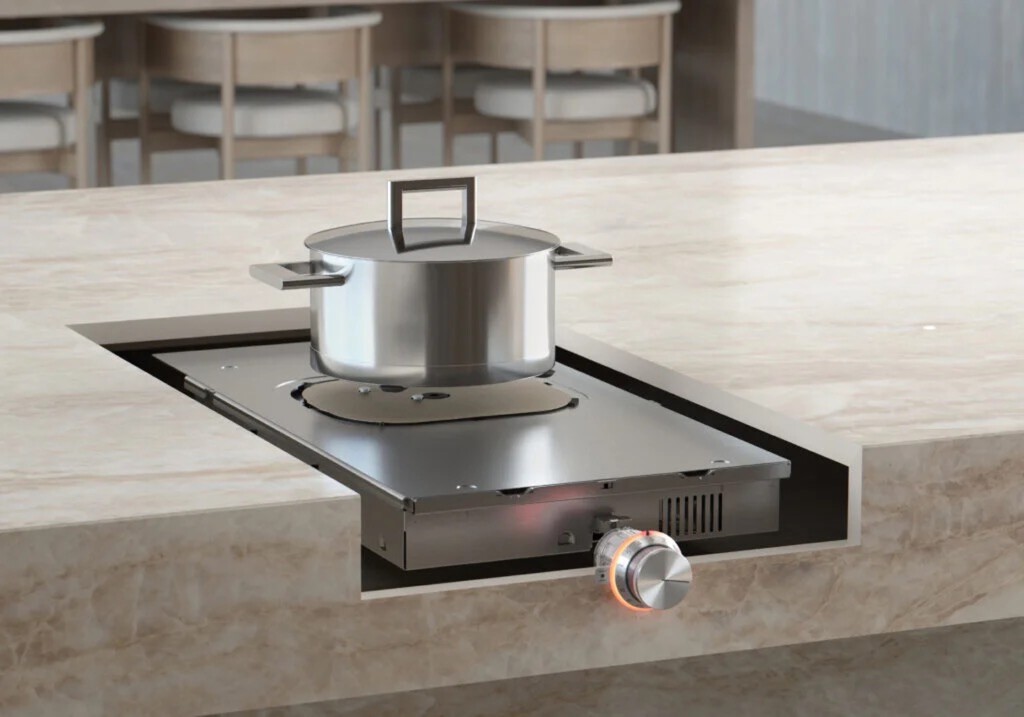
Invisible induction cooktops are essentially induction hobs that are installed beneath the countertop surface. The technology uses electromagnetic coils to generate a magnetic field that induces currents in ferromagnetic cookware, heating the pan directly. The countertop itself only heats up from residual heat, which depends on the material used.
Find Original Home Decor sparking conversation at Grand Goldman Shop.

This means you can cook on a surface that looks like a regular countertop, with no visible burners or knobs. It's a sleek, minimalist design that appeals to those who want a clean and uncluttered kitchen.

How Do They Work?
The core technology is the same as traditional induction cooktops: a system of electromagnetic coils generates a magnetic field that induces electric currents in ferromagnetic materials. The difference is that these coils are hidden beneath the countertop, which must be made of a material that allows the magnetic field to pass through, such as certain types of glass, ceramic, or even wood.

The countertop surface only gets warm from residual heat, and the intensity depends largely on the material. Like any induction system, it's much harder to get burned compared to a traditional electric or gas stove.
Pros and Cons of Invisible Induction Cooktops
While the design is undeniably appealing, there are both advantages and disadvantages to consider before investing in this technology.
Pros
- Aesthetic appeal: The cooktop is completely hidden, creating a seamless look.
- Easy to clean: No knobs or grates to scrub—just wipe the flat surface.
- Safety: The surface stays relatively cool, reducing the risk of burns.
- Space-saving: You can use the countertop for other tasks when not cooking.
- Precision: Induction cooking offers fast, precise temperature control.
Cons
- High cost: The technology is currently more expensive than traditional induction cooktops.
- Installation complexity: Requires professional installation and specific countertop materials.
- Limited cookware compatibility: Only works with ferromagnetic pans.
- Potential for accidental activation: Without visible controls, you need to be careful about turning it on unintentionally.
Comparison with Traditional Induction Cooktops
Here's how invisible induction cooktops stack up against conventional induction models.
| Feature | Invisible Induction | Traditional Induction |
|---|---|---|
| Visibility | Hidden beneath countertop | Visible on surface |
| Installation | Complex, requires specific materials | Standard cutout |
| Cost | Higher | Moderate to high |
| Cleaning | Easy (flat surface) | Easy (flat surface) |
| Safety | Very safe (cool surface) | Safe (residual heat) |
| Space | Maximizes counter space | Occupies counter space |
Who Is This For?
Invisible induction cooktops are ideal for homeowners who value minimalist design and are willing to invest in cutting-edge technology. They're particularly suited for open-plan kitchens where aesthetics matter, or for those who want to maximize counter space in small apartments.
However, if you're on a budget or prefer a more traditional cooking setup, a conventional induction cooktop might be more practical. It's also worth noting that the technology is still relatively new, so long-term reliability and repairability may be concerns. The background to this story is set out in Chefs Switch from Gas to Electric Induction for Cooler Kitchens. A related thread runs through Ninja Double Stack XL Air Fryer Review: Vertical Design for Small Kitchens. Earlier coverage in Inspiring Modern Kitchen Design Ideas shows how the argument developed.
What to Watch Next
As the technology matures, we can expect to see more manufacturers offering invisible induction cooktops, potentially at lower price points. Improvements in countertop materials and installation techniques will also make them more accessible. A closer look at the same subject appears in 12 Best Electric Induction Cooktop (Reviews). Anyone following the wider picture can start with Inside the Zaragoza Factory Making One in Five Induction Hobs. The same theme surfaces in Outdoor Kitchen Design, which takes a different angle.
Additionally, integration with smart home systems could allow for remote control and energy monitoring, further enhancing their appeal. Keep an eye on trade shows and tech exhibitions for the latest developments. Context on how this played out before sits in Different kitchen designs for your home!. A companion piece, Wooden Kitchen Designs for your home renovation!, approaches the same subject from another angle.
FAQ
Can I install an invisible induction cooktop myself?
No, installation requires professional expertise because it involves modifying the countertop and ensuring proper electrical connections. It's not a DIY project.
What types of countertops are compatible?
Compatible materials include certain glass, ceramic, and even some wood composites that allow magnetic fields to pass through. Always check with the manufacturer for specific recommendations.
Is it safe for children?
Yes, the surface remains relatively cool, reducing burn risks. However, you should still enable child lock features if available and supervise children in the kitchen.
How energy-efficient is it?
Induction cooking is highly energy-efficient because it heats the pan directly rather than the surrounding air. Invisible induction cooktops share this efficiency, though overall energy use depends on usage patterns.
Browse the Shop
 Acacia frida deluxe solid wood bed frame |
Bedroom bench |
Bed chest drawers |
Lingerie dresser |
Frame base |
Mirror with jewelry storage |
30 Bathroom Vanity |
Memory foam queen mattress |
Mattresses for back pain |
Nightstand set of 2 |
Grand Goldman Shop |
Civil Lawyer
Deutschland Trikot WM 2026







