

Meta has just unveiled its new Meta VR Glasses, a virtual reality headset that aims to succeed where Apple's Vision Pro stumbled: comfort and price. Priced at $1,299 and set to launch in spring 2027, these glasses offer spectacular resolution, eye and hand tracking, and up to three hours of battery life. But more importantly, they represent the Vision Pro that Apple didn't dare to make.
Apple proved with the Vision Pro that augmented reality glasses could deliver fantastic images in a spectacular interface. But its solution was expensive and, above all, uncomfortable. Those glasses weigh more than half a kilogram, and wearing them on your face for extended periods can become painful, leading to a cottage industry of accessories to alleviate the problem. Early testers say the Meta VR Glasses come much closer to the concept of normal glasses—a bit heavier, yes, but far more comfortable to wear.
Find Original, High-end Home Decor that spark conversation at Grand Goldman Shop.
Design and Comfort: A Step Toward Normalcy
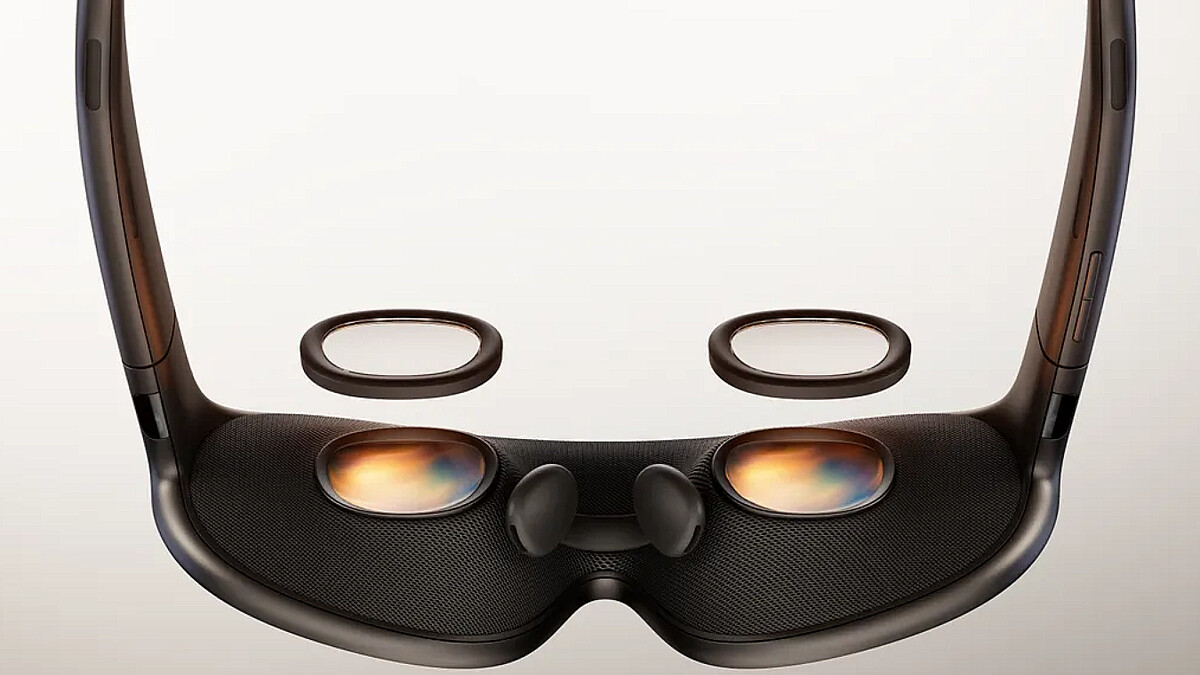
The key differentiator for Meta's new glasses is comfort. Unlike the Vision Pro, which requires a bulky head strap and counterweight to distribute its weight, the Meta VR Glasses are designed to feel like a regular pair of glasses. They are still heavier than typical eyewear, but testers report that they can be worn for hours without the fatigue associated with Apple's device.

This comfort is achieved through a combination of lightweight materials and a clever distribution of components. Meta has managed to shrink most of the necessary parts into the glasses themselves, but it still relies on an external module for the heavy lifting.
The External Puck: A Necessary Compromise
Meta's solution to the weight problem is an external puck that houses the computer and battery. This module weighs 300 grams—more than a large smartphone—and is based on a Qualcomm Snapdragon Reality Elite XR2 Gen 3 chip. While carrying a separate puck might seem inconvenient, it allows the glasses themselves to remain light and comfortable. Meta is offering different options for wearing the puck, such as clipping it to a belt or carrying it in a pocket.

This approach is similar to what Apple did with the Vision Pro's external battery pack, but Meta has gone further by moving the processing power out of the headset as well. The result is a device that feels more like a pair of glasses and less like a head-mounted display.
Specifications and Features
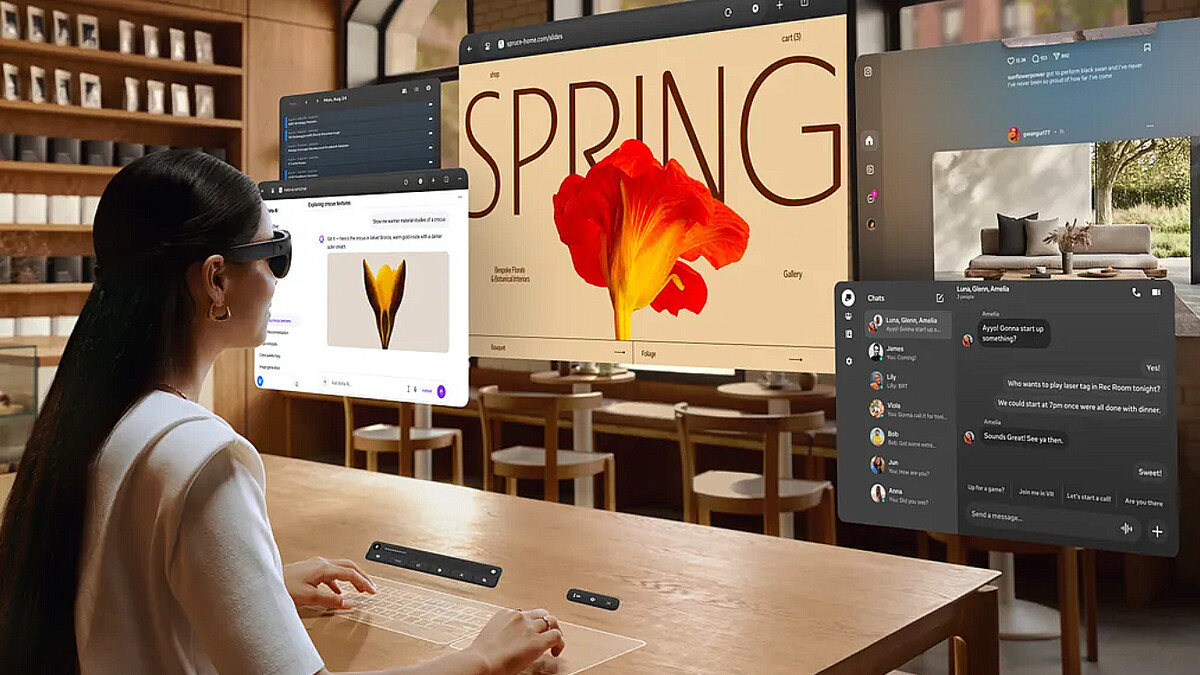
The Meta VR Glasses boast impressive specs. The resolution is described as spectacular, though exact numbers haven't been released. They include eye tracking and hand tracking, which are essential for intuitive interaction in mixed reality. Battery life is rated at up to three hours, which is comparable to the Vision Pro's external battery.
Here's a quick comparison between the Meta VR Glasses and Apple Vision Pro:
| Feature | Meta VR Glasses | Apple Vision Pro |
|---|---|---|
| Price | $1,299 | $3,499 |
| Weight (headset) | Lighter, closer to normal glasses | Over 500 grams |
| External module | Yes, 300g puck with battery and processor | Yes, external battery |
| Battery life | Up to 3 hours | Up to 2 hours |
| Tracking | Eye and hand tracking | Eye and hand tracking |
| Release date | Spring 2027 | Available now |
As you can see, Meta is undercutting Apple by a significant margin while offering similar or better battery life. The trade-off is the external puck, but many users might find that acceptable for the comfort gains.
Why This Matters for the VR Industry
The Meta VR Glasses could be a turning point for virtual and augmented reality. Apple's Vision Pro, while technologically impressive, has been criticized for its high price and lack of comfort, which limits its appeal beyond early adopters and developers. Meta's approach addresses both issues head-on.
By pricing the glasses at $1,299—less than half the cost of the Vision Pro—Meta makes VR more accessible to mainstream consumers. And by focusing on comfort, it encourages longer use sessions, which is crucial for productivity and entertainment applications.
- More affordable: At $1,299, the Meta VR Glasses are significantly cheaper than the Vision Pro, lowering the barrier to entry.
- Comfort-focused design: Lighter and more balanced, they can be worn for extended periods without discomfort.
- External puck compromise: Moving the processor and battery to a separate module keeps the headset light, though it adds a tether.
- Competitive specs: Eye and hand tracking, high-resolution displays, and up to 3 hours of battery life.
- Potential for mainstream adoption: The combination of price and comfort could attract a wider audience than Apple's offering.
Meta's track record with VR is strong, with the Quest series dominating the consumer market. The company's experience in optimizing hardware and software for comfort and affordability is evident in this new product. If the Meta VR Glasses deliver on their promise, they could become the go-to VR headset for everyday users.
What to Watch Next
As the spring 2027 launch approaches, several questions remain. How will the external puck be received by users? Will the glasses support the full range of Meta's VR and AR content? And perhaps most importantly, how will Apple respond? The background to this story is set out in Apple Vision Pro in 2024: Spectacular but Struggling to Survive. A related thread runs through Meta Spy Glasses Banned in UK Restaurants, Pubs, and Theatres. Earlier coverage in Meta Smartglasses Backlash: Privacy Concerns and Creep Glasses shows how the argument developed.
Apple is rumored to be working on a cheaper, lighter version of the Vision Pro, but no official details have emerged. The competition between Meta and Apple in this space is likely to intensify, benefiting consumers with more choices and better products. A closer look at the same subject appears in Meta Smart Glasses Privacy Risks Demand Regulator Action. Anyone following the wider picture can start with UK Cinemas Consider Banning Meta Smart Glasses Over Piracy. The same theme surfaces in Meta Glasses 2025: Are You Wearing Them? Tell Us, which takes a different angle.
For now, the Meta VR Glasses represent a significant step toward making mixed reality a mainstream technology. By prioritizing comfort and affordability, Meta is addressing the two biggest barriers to adoption. If the early hands-on impressions are any indication, this could be the headset that finally brings VR to the masses. Context on how this played out before sits in Meta Glasses 2025: Are You Wearing the New Smart Eyewear?. A companion piece, Meta Smart Glasses Privacy Risks: Regulators Must Act Now, approaches the same subject from another angle.
FAQ
When will the Meta VR Glasses be released?
The Meta VR Glasses are scheduled to launch in spring 2027. Pricing starts at $1,299.
How do the Meta VR Glasses compare to the Apple Vision Pro in terms of comfort?
The Meta VR Glasses are designed to be much more comfortable than the Vision Pro. They are lighter and closer to normal glasses, while the Vision Pro weighs over 500 grams and can cause discomfort during extended use.
What is the external puck on the Meta VR Glasses?
The external puck is a 300-gram module that houses the processor (Qualcomm Snapdragon Reality Elite XR2 Gen 3) and battery. It allows the glasses themselves to remain lightweight and comfortable.
Does the Meta VR Glasses support eye and hand tracking?
Yes, the Meta VR Glasses include both eye tracking and hand tracking for intuitive interaction in virtual and augmented reality environments.
Browse the Shop
 Acacia frida deluxe solid wood bed frame |
Bedroom bench |
Bed chest drawers |
Lingerie dresser |
Frame base |
Mirror with jewelry storage |
30 Bathroom Vanity |
Memory foam queen mattress |
Mattresses for back pain |
Nightstand set of 2 |
Grand Goldman Shop |
Civil Lawyer
Deutschland Trikot WM 2026










