

Every year, millions of perfectly functional hard drives are destroyed by companies and governments, despite the fact that they could be sold or reused. This paradoxical practice is driven by data security concerns, but it raises questions about e-waste and financial losses.
According to Stellar Info, based on data from the U.S. National Renewable Energy Laboratory (now the National Laboratory of the Rockies), at least 20 million disks are destroyed annually in the United States alone. This scenario repeats worldwide, often driven by corporations and government agencies.
Find Original, High-end Home Decor that spark conversation at Grand Goldman Shop.
The Scale of Hard Drive Destruction
The numbers are staggering. In the U.S., approximately 20 million hard drives are destroyed each year, according to estimates. These drives are often only about five years old and still fully operational. The practice is common among tech giants like Amazon, Microsoft, and Google, as well as government departments, banks, and security agencies.
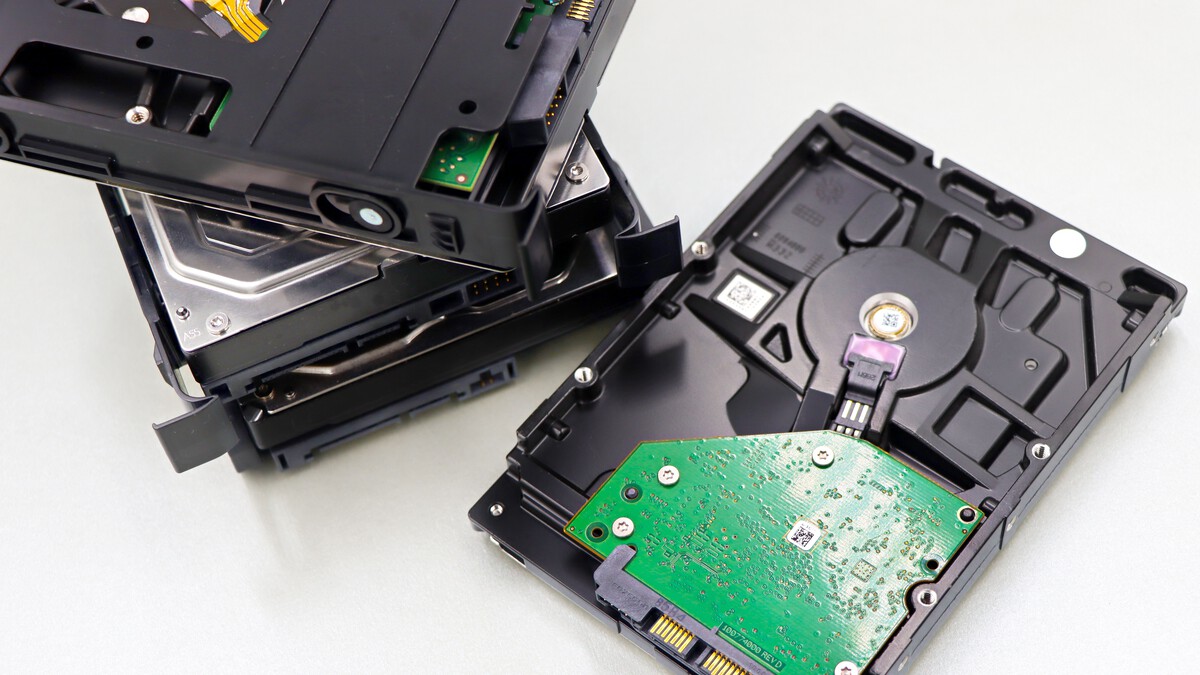
These organizations rely on physical destruction as a straightforward way to prevent data breaches. However, the environmental and economic costs are significant. The e-waste generated from these drives adds to the growing global electronic waste problem.
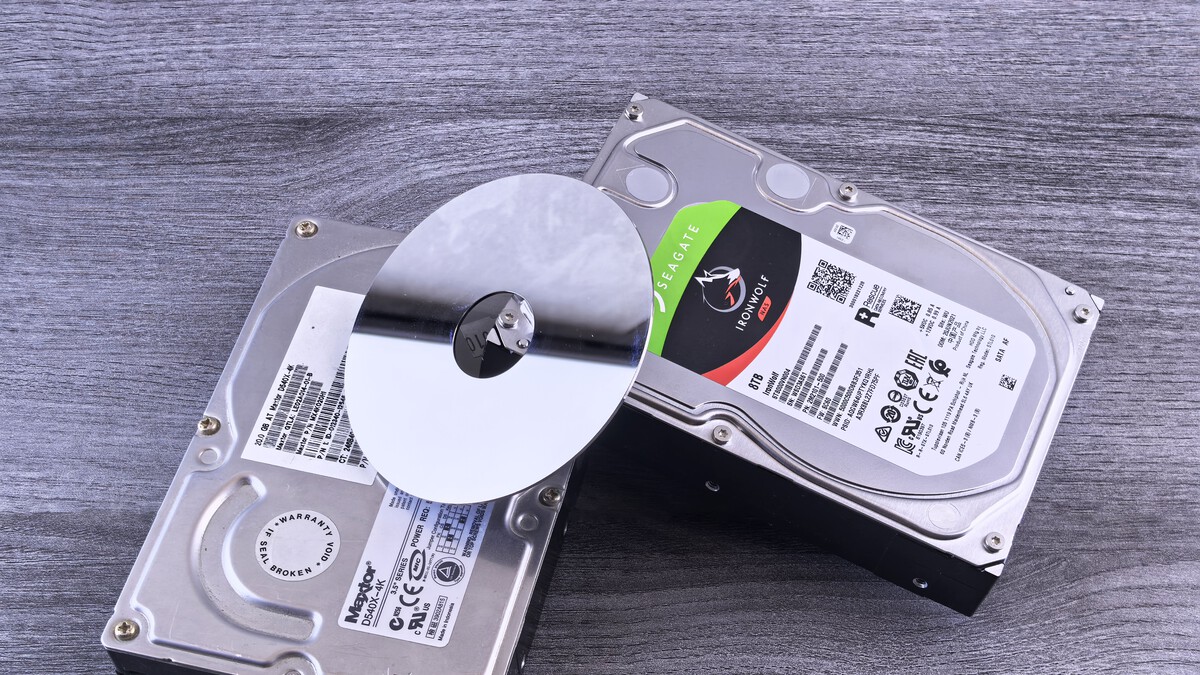
Why Organizations Destroy Functional Drives
The primary reason is data security. Even when data is deleted or the drive is wiped, there is a fear that sensitive information could be recovered. Physical destruction eliminates this risk entirely. For many organizations, the cost of potential data breaches far outweighs the resale value of the drives.
Regulations and compliance requirements also play a role. Industries like healthcare and finance must adhere to strict data protection laws, and destruction provides a clear audit trail. Additionally, some organizations lack the infrastructure to securely wipe and resell drives, making destruction the simpler option.
The Financial and Environmental Trade-off
Destroying functional hard drives means losing potential revenue from resale. A working hard drive can be sold on the secondary market, providing a return to the owner. Instead, organizations pay for destruction services, incurring additional costs.
From an environmental perspective, hard drives contain valuable materials like aluminum, copper, and rare earth elements. Recycling these components is possible, but destruction often leads to improper disposal. The e-waste problem is exacerbated when drives end up in landfills. The background to this story is set out in My (and every worker's) worst nightmare come true: The unexpected solution I found in hard drive data recovery. A related thread runs through 10 Best Hard Drive Shredders for Secure Data Destruction. Earlier coverage in ICE Wastes Tens of Millions on Trump Detention Agenda shows how the argument developed.
Key Takeaways
- Millions of functional hard drives are destroyed annually, primarily by corporations and governments.
- Data security concerns drive the practice, as physical destruction prevents data recovery.
- The financial loss from not reselling drives is significant, and destruction costs add up.
- Environmental impact includes increased e-waste and loss of valuable materials.
- Alternatives like secure data wiping exist but are not universally adopted.
Comparison of Disposal Methods
| Method | Data Security | Environmental Impact | Cost |
|---|---|---|---|
| Physical Destruction | High | High (e-waste) | Moderate to High |
| Secure Wiping | Moderate to High | Low | Low |
| Resale Without Wiping | Low | Low | Revenue generated |
What to Watch Next
As data privacy regulations tighten, the pressure to destroy drives may increase. However, growing awareness of e-waste and the circular economy could push organizations toward more sustainable practices. Innovations in secure data wiping and certification may offer a middle ground. A closer look at the same subject appears in Seagate One Touch 20TB Portable Hard Drive Hits Lowest Price. Anyone following the wider picture can start with Seagate 2TB PS5 Hard Drive Drops to $120.89 in Prime Day Sale. The same theme surfaces in Egg and Rice Waste Turned Into Supercapacitor Material, which takes a different angle.
Consumers and businesses alike should monitor how tech giants handle this issue. Public scrutiny and potential legislation could force changes in how end-of-life storage devices are managed. Context on how this played out before sits in AI Hack of Medicare Exposes Australia's Data Security Vulnerabilities. A companion piece, 27 Hard Working Dogs That Deserve A Good-Boy Medal For Their Work, approaches the same subject from another angle.
FAQ
Why are functional hard drives destroyed instead of resold?
Organizations destroy drives primarily to ensure data security. Even after wiping, there is a risk of data recovery, so physical destruction is seen as the safest option. This is especially important for companies handling sensitive information.
How many hard drives are destroyed each year?
In the United States alone, at least 20 million hard drives are destroyed annually, according to estimates from Stellar Info based on National Renewable Energy Laboratory data. The global figure is likely much higher.
What are the alternatives to hard drive destruction?
Secure data wiping software can render data unrecoverable, allowing drives to be reused or resold. However, this method requires proper verification and may not meet all regulatory standards. Some organizations are exploring certification programs for wiped drives.
What is the environmental impact of destroying hard drives?
Destruction contributes to e-waste, as drives often end up in landfills. Valuable materials like aluminum and copper are lost. Proper recycling can mitigate some impact, but it is not always practiced.
Browse the Shop
 Acacia frida deluxe solid wood bed frame |
Bedroom bench |
Bed chest drawers |
Lingerie dresser |
Frame base |
Mirror with jewelry storage |
30 Bathroom Vanity |
Memory foam queen mattress |
Mattresses for back pain |
Nightstand set of 2 |
Grand Goldman Shop |
Civil Lawyer
Deutschland Trikot WM 2026







