

The Alcorcón megaproject, a grandiose attempt to replicate the Guggenheim effect, stands as a stark warning about urban ambition gone awry. Inspired by Bilbao's transformative success, this Madrid suburb launched an ill-fated cultural complex in the early 2000s that ultimately collapsed under financial strain and economic downturn.
In 1997, the Guggenheim Museum Bilbao opened its doors and almost overnight turned a struggling industrial city into a global tourist destination. That success story sparked a wave of copycat projects worldwide, as cities dreamed of a single iconic building to redefine their image and boost their economies. Alcorcón was one such dreamer.
Find Original Home Decor sparking conversation at Grand Goldman Shop.

The Guggenheim Effect: A Powerful Urban Legend
The so-called Guggenheim effect refers to the remarkable economic and cultural revival that followed the museum's opening in Bilbao. Designed by Frank Gehry, the titanium-clad structure became an instant architectural icon, drawing millions of visitors and catalyzing billions in investment. Bilbao transformed from a declining industrial port into a vibrant cultural hub.
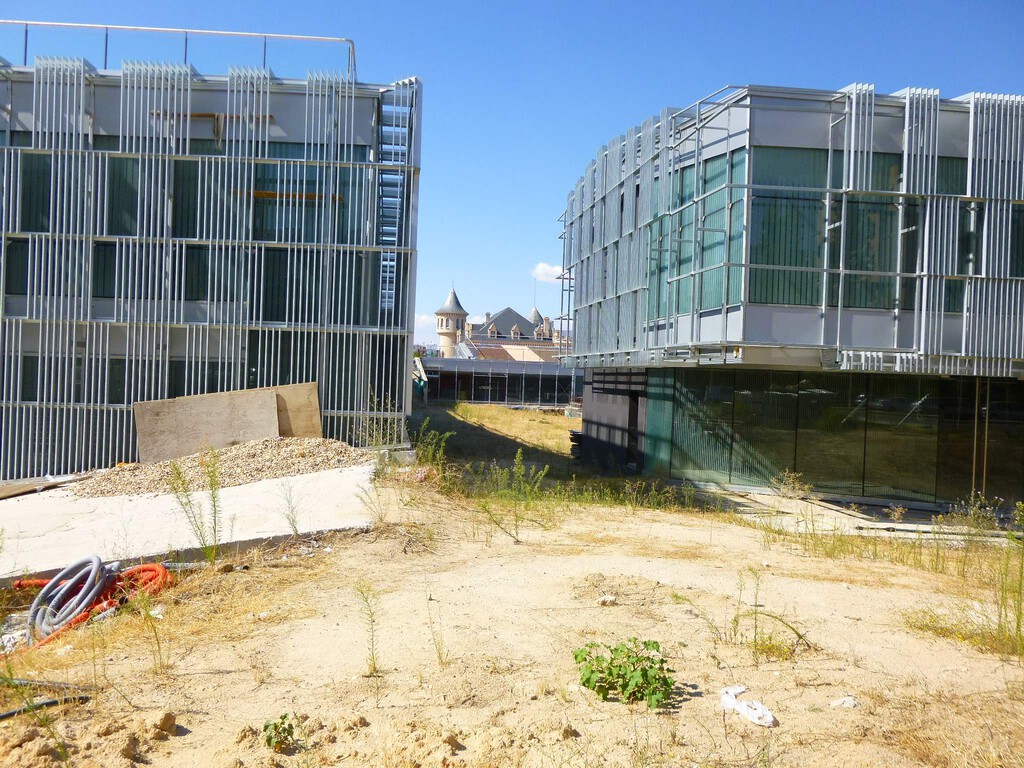
This narrative captivated urban planners and politicians. If Bilbao could do it, why not other cities? The formula seemed simple: build a striking cultural landmark, attract tourists, and watch the economy flourish. But as Alcorcón would learn, context matters—and scale can be a trap.
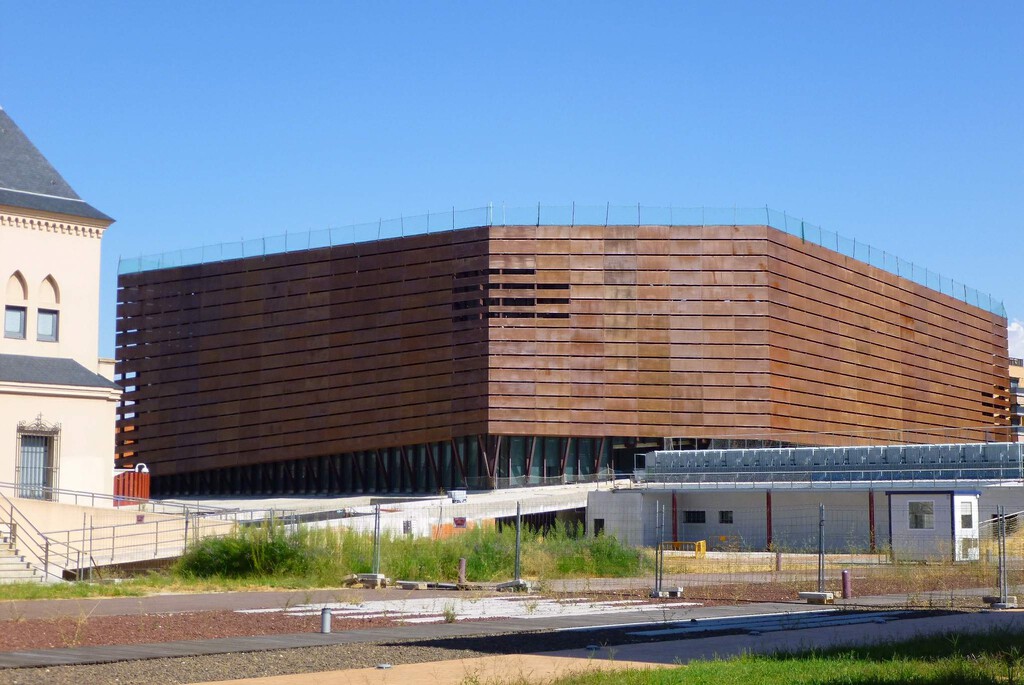
Alcorcón's Ambitious Vision: A Guggenheim for the Suburbs
By the early 2000s, Spain was in the midst of a real estate boom, and Alcorcón, a working-class city on Madrid's southern outskirts, saw an opportunity to elevate its profile. The plan was nothing short of audacious: a sprawling cultural complex comprising nine interconnected buildings, including an auditorium, a conservatory, a conference center, and even a permanent circus.
The project was envisioned as a "Madrid Guggenheim," a cultural magnet that would draw visitors from across Spain and beyond. But critics questioned whether a suburban city of around 170,000 people could sustain such a massive undertaking. The scale was staggering, and the budget—already high—would soon spiral out of control.
Construction Woes and Mounting Costs
Construction began in 2007, just as Spain's property bubble was nearing its burst. Almost immediately, the project ran into trouble. Design changes led to cost overruns, and questionable decisions—like demolishing a nearly new library to make way for the complex—raised eyebrows. The project's budget ballooned, and timelines slipped.
Then came the global financial crisis of 2008. Spain was hit particularly hard, and Alcorcón's ambitious dream became a financial millstone. With public funds drying up and private investment evaporating, the project ground to a halt. Today, the unfinished shell stands as a monument to overreach. The longer history behind the story is traced in 19 Essential Excel Formulas to Master Spreadsheets. More on the surrounding debate is collected in Alcorcón's Failed Guggenheim-Style Megaproject: A Cautionary Tale.
Key Takeaways from Alcorcón's Failure
- Context is critical: Bilbao's success was unique, driven by its industrial heritage, port location, and substantial public investment. Copying the model without these foundations is risky.
- Scale matters: A project must match the local market's capacity to sustain it. Alcorcón's nine-building complex was wildly disproportionate to its population and tourist appeal.
- Economic timing is everything: Launching a mega-project just before a financial crisis is a recipe for disaster. Feasibility studies must account for economic cycles.
- Transparency and accountability: Cost overruns and questionable decisions eroded public trust and made the project politically untenable.
- Beware the "build it and they will come" fallacy: Iconic architecture alone doesn't guarantee visitors or economic revival; programming, accessibility, and marketing are equally important.
Comparing Megaprojects: Bilbao vs. Alcorcón
The contrast between Bilbao's triumph and Alcorcón's failure highlights the factors that separate successful urban regeneration from costly follies. The table below summarizes key differences. The background to this story is set out in UNAM's AI Exam Surveillance Failure: A Cautionary Tale. A related thread runs through Beck O'Connor's Cautionary Tale: Government Silencing Critics. Earlier coverage in Celtic's Epic Collapse: A Cautionary Tale in European Football shows how the argument developed.
| Factor | Bilbao Guggenheim | Alcorcón Megaproject |
|---|---|---|
| Location | Industrial city with port and cultural heritage | Suburban commuter town near Madrid |
| Scale | Single museum (24,000 m²) | Nine buildings, including auditorium, conservatory, conference center |
| Investment | ~$100 million (public and private) | Hundreds of millions (estimated, with overruns) |
| Economic timing | Late 1990s, during economic upswing | 2007, on eve of global financial crisis |
| Outcome | Iconic success, economic revival | Unfinished, abandoned, financial loss |
What Alcorcón's Story Teaches Us
Alcorcón's failure is not just a local embarrassment; it's a global lesson in urban planning. The allure of a quick fix through iconic architecture can blind decision-makers to fundamental risks. Successful regeneration requires a nuanced understanding of local identity, economic realities, and long-term sustainability. A closer look at the same subject appears in First Cross-Channel Swimmer: The Cautionary Tale of Matthew Webb. Anyone following the wider picture can start with Trump's Iran War Repeats Afghanistan Mistakes: A Cautionary Tale. The same theme surfaces in Prediction Markets Could Replicate US Boom in UK – Here's How, which takes a different angle.
Moreover, the project's collapse left behind not only financial debt but also a physical eyesore and a loss of public trust. Citizens rightly ask why so much money was spent on a dream that never materialized. The answer often lies in political ambition and a reluctance to heed expert warnings. Context on how this played out before sits in Madrid Housing Market Overflows to Torrejón, Parla, Alcorcón. A companion piece, Trending: latest articles, approaches the same subject from another angle.
FAQ
What was the Alcorcón megaproject?
The Alcorcón megaproject was an ambitious cultural complex planned in the early 2000s in Alcorcón, Spain. Inspired by the Guggenheim Museum Bilbao, it was to include nine interconnected buildings with an auditorium, conservatory, conference center, and permanent circus. Construction began in 2007 but was abandoned due to cost overruns and the 2008 financial crisis.
Why did the project fail?
The project failed due to a combination of unrealistic scale, soaring costs, and poor economic timing. The 2008 global financial crisis dried up funding, and the project was never completed. Questionable decisions, such as demolishing a new library, also eroded public support.
What is the Guggenheim effect?
The Guggenheim effect refers to the economic and cultural revitalization of Bilbao following the opening of the Guggenheim Museum in 1997. The museum attracted millions of tourists and spurred investment, becoming a model for urban regeneration through iconic architecture.
Are there other failed Guggenheim-inspired projects?
Yes, several cities have attempted to replicate the Guggenheim effect with mixed results. For example, the Guggenheim Hermitage Museum in Las Vegas opened in 2001 but closed in 2008 due to low attendance. Other projects, like the proposed Guggenheim Abu Dhabi, have faced delays and cost overruns.
Browse the Shop
 Acacia frida deluxe solid wood bed frame |
Bedroom bench |
Bed chest drawers |
Lingerie dresser |
Frame base |
Mirror with jewelry storage |
30 Bathroom Vanity |
Memory foam queen mattress |
Mattresses for back pain |
Nightstand set of 2 |
Grand Goldman Shop |
Civil Lawyer
Deutschland Trikot WM 2026







