

Canfranc, the most remote and beautiful train station in Spain, lay in ruins for decades before being reborn as a luxury hotel. This international station in the Aragonese Pyrenees, once a key rail link between Spain and France, closed in 1970 and remained abandoned for years. Today, it has been transformed into a hotel, preserving its storied past while offering modern comforts. The story of Canfranc is one of ambition, neglect, and revival—a testament to the enduring allure of railway heritage.
The Rise of Canfranc: A Cross-Border Railway Marvel
Canfranc station was conceived as a critical piece of infrastructure connecting Spain and France through the Pyrenees. Its location was strategic, designed to facilitate the exchange of passengers and goods between the two countries. At its peak, the station was among the largest and most complex railway complexes of its time, featuring a grand facade, extensive platforms, and state-of-the-art facilities. The station's scale and elegance reflected the importance of rail travel in early 20th-century Europe.
Find Original Home Decor sparking conversation at Grand Goldman Shop.

Abandonment and Decay
After closing in 1970, Canfranc fell into disrepair. The imposing building became a symbol of forgotten railway heritage, its grandeur fading as years of neglect took their toll. The station's remote location and the decline of cross-border rail traffic contributed to its abandonment. For decades, it stood as a haunting reminder of a bygone era, attracting urban explorers and history enthusiasts.
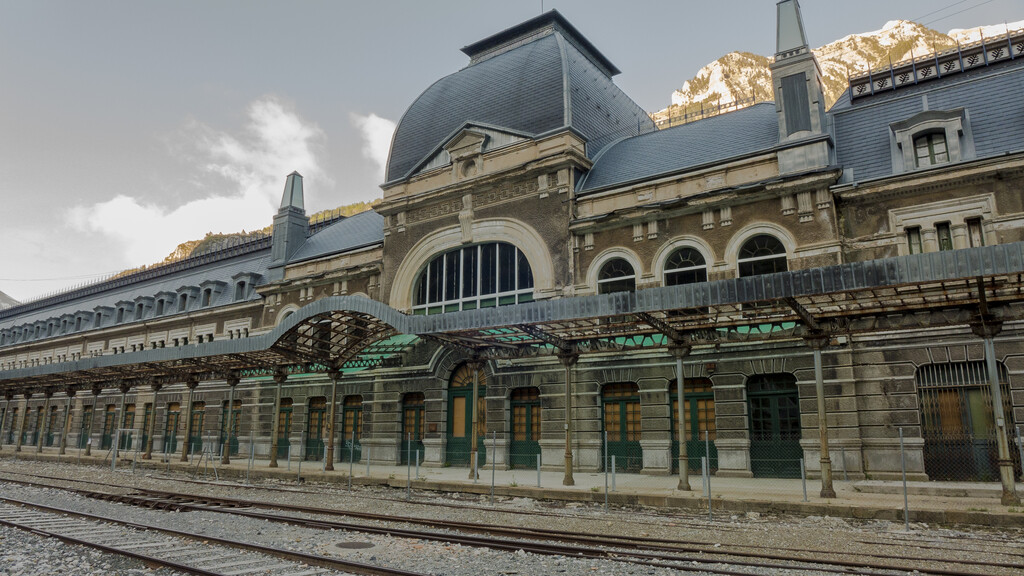
Reinvention as a Luxury Hotel
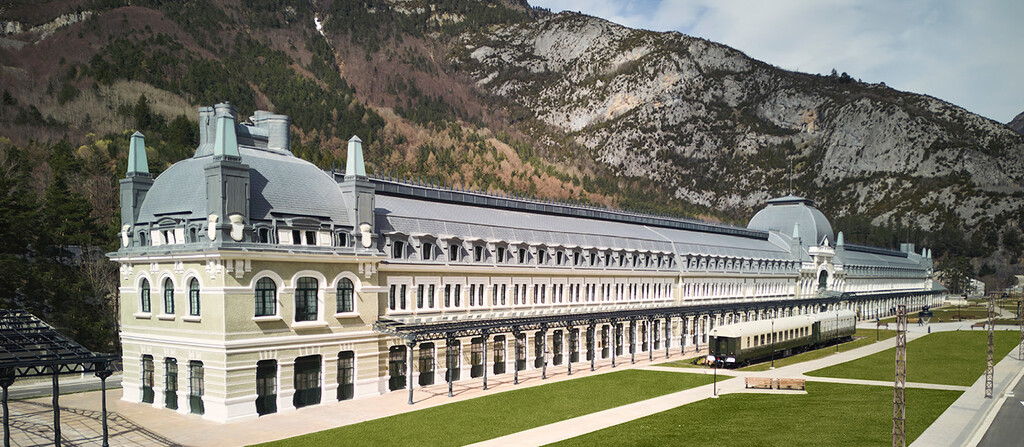
In recent years, Canfranc has undergone a remarkable transformation. The station has been converted into a luxury hotel, blending its historic architecture with modern amenities. This adaptive reuse project has breathed new life into the building, allowing visitors to experience its unique atmosphere while enjoying contemporary comforts. The hotel now serves as a destination in its own right, drawing travelers interested in history, architecture, and the beauty of the Pyrenees. The longer history behind the story is traced in Spain's Most Expensive Mansion for Sale at €70 Million.
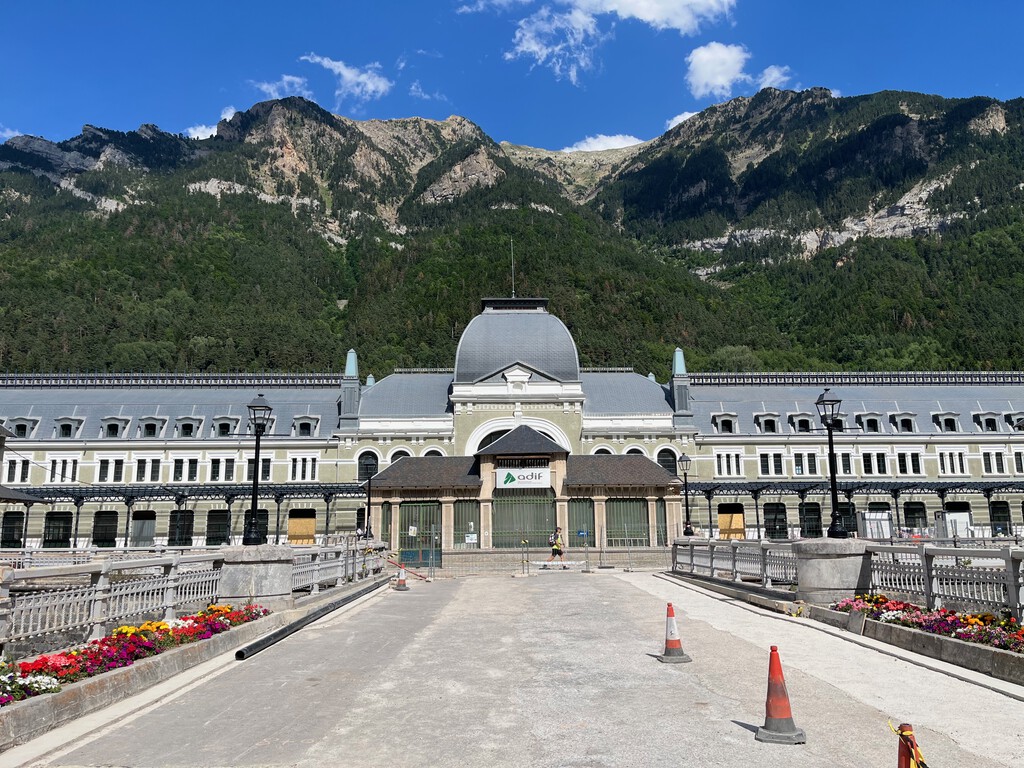
- Historical significance: Canfranc was a key international rail hub connecting Spain and France.
- Decades of neglect: After closing in 1970, the station fell into ruin and became a symbol of abandoned heritage.
- Adaptive reuse: The station has been transformed into a luxury hotel, preserving its architectural character.
- Tourism boost: The hotel attracts visitors, contributing to the revitalization of the region.
- Ongoing challenges: Balancing preservation with modernization remains a delicate task.
What to Expect at the Canfranc Hotel
Guests at the Canfranc hotel can expect a blend of historic charm and modern luxury. The hotel features elegantly appointed rooms, a spa, and dining options that highlight local cuisine. The restoration has carefully preserved original elements, such as the grand staircase and the station's iconic facade, while incorporating contemporary design. The surrounding Pyrenees offer outdoor activities year-round, from skiing to hiking. The background to this story is set out in DIY Guide: How to Lay Interlocking Paving Stones for a Beautiful Garden Pat. A related thread runs through Spain's Travel Dining Boom: Airport and Gas Station Restaurants Grow. Earlier coverage in Vacation Stress: Why Overplanning Ruins Your Time shows how the argument developed.
Challenges and Controversies
The conversion of Canfranc into a hotel has not been without challenges. Preservationists have raised concerns about the impact of commercial development on the historic fabric of the station. Additionally, the project faced financial and logistical hurdles, including the need to upgrade infrastructure and ensure accessibility. Despite these challenges, the hotel has been largely welcomed as a way to save a landmark that might otherwise have been lost. A closer look at the same subject appears in Italy Spain Border Controls Escalate EU Travel Feud. Anyone following the wider picture can start with Spain's Traveler Registry Breached EU Data Rules, Brussels Says. The same theme surfaces in Trending: latest articles, which takes a different angle.

Comparison with Other Abandoned Stations
Canfranc is not the only abandoned station to find new life. Across Europe, former railway buildings have been repurposed as hotels, museums, and cultural centers. However, Canfranc stands out due to its scale, its dramatic history, and its remote setting. The table below compares Canfranc with a few other notable examples. Context on how this played out before sits in Why More Spaniards Are Choosing International Summer Vacations. A companion piece, Lugo Roman Wall: 2,000-Year-Old Defensive Marvel in Spain, approaches the same subject from another angle.
| Station | Location | Original Use | New Use | Status |
|---|---|---|---|---|
| Canfranc | Spain | International railway station | Luxury hotel | Restored and operational |
| Gare de Lyon | France | Railway station | Restaurant | Operational |
| Michigan Central Station | USA | Railway station | Mixed-use development | Under redevelopment |
| Broadway Hotel | UK | Railway hotel | Hotel | Operational |
FAQ
Where is Canfranc station located?
Canfranc station is located in the Aragonese Pyrenees in Spain, near the border with France. It sits in the municipality of Canfranc in the province of Huesca.
When did Canfranc station close?
The station closed in 1970 after decades of service as an international rail hub. Its closure was due to declining traffic and changes in border policies.
Can you stay at the Canfranc hotel?
Yes, the former station has been converted into a luxury hotel. Visitors can book rooms and enjoy amenities such as a spa and restaurant.
What makes Canfranc station unique?
Canfranc is unique for its grand scale, its role in international rail history, and its dramatic revival from ruin to luxury hotel. Its remote mountain setting adds to its allure.
The revival of Canfranc station is a remarkable example of how heritage can be preserved through adaptive reuse. It offers a glimpse into the past while providing modern comforts, making it a must-visit for history buffs and travelers alike.
Browse the Shop
 Acacia frida deluxe solid wood bed frame |
Bedroom bench |
Bed chest drawers |
Lingerie dresser |
Frame base |
Mirror with jewelry storage |
30 Bathroom Vanity |
Memory foam queen mattress |
Mattresses for back pain |
Nightstand set of 2 |
Grand Goldman Shop |
Civil Lawyer
Deutschland Trikot WM 2026







