

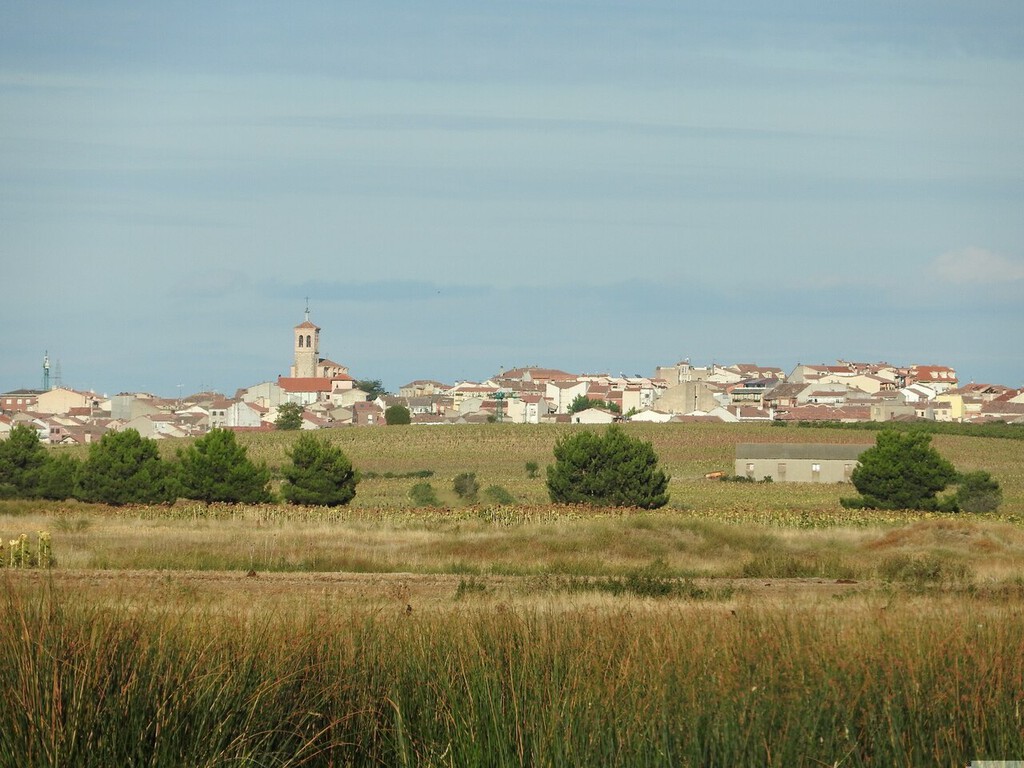
Cantalejo, a small town in Segovia with just under 3,700 residents, is home to gacería, a centuries-old trade language that helped local merchants conduct business. This unique dialect, also known as briquero, has survived for generations and remains a fascinating piece of Spain's linguistic heritage.
What Is Gacería?
Gacería is often described as the "jargon of the trilleros of Cantalejo"—the craftsmen and traders who made and sold trillos, agricultural threshing boards. The Diccionario del Español Actual by the BBVA Foundation defines it this way, but its rich vocabulary and distinct expressions have led many experts to consider it more than just a jargon.
Find Original Home Decor sparking conversation at Grand Goldman Shop.

Some linguists refer to gacería as a dialect, a linguistic variant, or even a language in its own right. Its origins are debated, but it appears to borrow words from Basque, Galician, and Arabic, reflecting centuries of contact between different cultures in the Iberian Peninsula.
Why Did Cantalejo Develop Its Own Language?
The primary motivation behind gacería was practical: to facilitate trade. The trilleros of Cantalejo traveled widely to sell their goods, and a specialized vocabulary allowed them to communicate efficiently among themselves, perhaps even to keep their trade secrets from outsiders.
Over time, gacería expanded beyond the trilleros to other artisans and merchants in the region. Its use spread to neighboring towns in Castilla y León, leaving a lasting mark on the local culture.
Gacería Today: From Trade Jargon to Cultural Treasure
Despite its humble origins, gacería has transcended its commercial roots. Today, you can find websites documenting its vocabulary and expressions, and even published works in the dialect. Notable examples include a puzzle book and a translation of Antoine de Saint-Exupéry's The Little Prince, titled El pitoche engrullón in briquero.
This enduring legacy shows that gacería is more than a historical curiosity—it is a living part of Cantalejo's identity. Local associations and cultural initiatives work to preserve it, ensuring that future generations can appreciate this unique linguistic heritage.
Key Takeaways
- Gacería is a centuries-old trade language from Cantalejo, Segovia, used by trilleros (threshing board makers).
- It borrows from Basque, Galician, and Arabic, reflecting Spain's diverse linguistic history.
- Its use spread beyond trade to other aspects of local life and even to neighboring towns.
- Today, gacería is documented online and in books, including a translation of The Little Prince.
- Preservation efforts highlight its cultural significance and ongoing relevance.
How Does Gacería Compare to Other Trade Languages?
Trade languages, or jargons, have existed throughout history to facilitate commerce between different groups. Gacería is unique in its local roots and longevity. Below is a comparison with other well-known trade languages: Context on how this played out before sits in Cantalejo's Gacería: The Secret Trade Language of Segovia.
| Language | Origin | Primary Use | Notable Feature |
|---|---|---|---|
| Gacería | Cantalejo, Spain | Trilleros and local trade | Borrows from Basque, Galician, Arabic |
| Chinook Jargon | Pacific Northwest | Trade among Native Americans and Europeans | Mixed vocabulary from multiple languages |
| Sabir | Mediterranean | Medieval trade and diplomacy | Romance-based lingua franca |
| Swahili | East Africa | Trade and communication | Bantu language with Arabic influences |
While these languages share the goal of enabling trade, gacería stands out for its hyper-local character and the specific craft it served. The background to this story is set out in Trending: latest articles. A related thread runs through Spanish Firm Faked Gold Trades With Salt and Turmeric.
What Is the Future of Gacería?
Like many minority languages, gacería faces challenges in the modern world. However, its documentation and the pride of Cantalejo's residents offer hope. The town's efforts to keep the dialect alive through publications and cultural events are crucial. Earlier coverage in Calculate the Real Cost of Electricity This Winter: Beyond kWh Price shows how the argument developed. A closer look at the same subject appears in Spain's Travel Dining Boom: Airport and Gas Station Restaurants Grow.
As globalization continues to erode local traditions, gacería serves as a reminder of the importance of linguistic diversity. It is not just a tool of the past but a symbol of Cantalejo's unique history and resilience. Anyone following the wider picture can start with Pear Smoothie Recipe: Quick and Creamy Three-Ingredient Drink. The same theme surfaces in Rebujito Recipe: Andalusian Wine Cooler for Fairs and Parties, which takes a different angle.
FAQ
What is gacería?
Gacería is a trade language or jargon originating in Cantalejo, Segovia, used historically by trilleros (makers of threshing boards). It is also known as briquero and has a distinct vocabulary influenced by Basque, Galician, and Arabic.
Is gacería still spoken today?
While its everyday use has declined, gacería is still documented and studied. It appears in online resources and books, and local cultural efforts aim to preserve it.
Why is gacería important?
Gacería represents a unique linguistic heritage tied to local commerce and craftsmanship. It offers insight into Spain's cultural and linguistic diversity and the history of trade in the region.
Where can I learn more about gacería?
You can find information on websites dedicated to its vocabulary and in publications such as the translation of The Little Prince into briquero. Local cultural associations in Cantalejo may also provide resources.
Browse the Shop
 Acacia frida deluxe solid wood bed frame |
Bedroom bench |
Bed chest drawers |
Lingerie dresser |
Frame base |
Mirror with jewelry storage |
30 Bathroom Vanity |
Memory foam queen mattress |
Mattresses for back pain |
Nightstand set of 2 |
Grand Goldman Shop |
Civil Lawyer
Deutschland Trikot WM 2026







