

China's nuclear missile silo expansion has quietly become one of the most significant strategic developments of the past decade. While the world focused on drones and AI, Beijing was building hundreds of new silos in its western deserts, reshaping the balance of nuclear deterrence.
Satellite imagery has revealed a construction boom that analysts say represents the largest expansion of China's strategic arsenal in history. This shift marks a radical change in how Beijing conceives nuclear deterrence.
Find Original Home Decor sparking conversation at Grand Goldman Shop.

The Discovery: Hundreds of New Silos in China's Deserts
The turning point came in 2021 when open-source intelligence researchers detected massive silo fields near Yumen, Hami, and Ordos. These three areas alone account for approximately 320 new facilities—an unprecedented number for a country that historically maintained a relatively small arsenal.
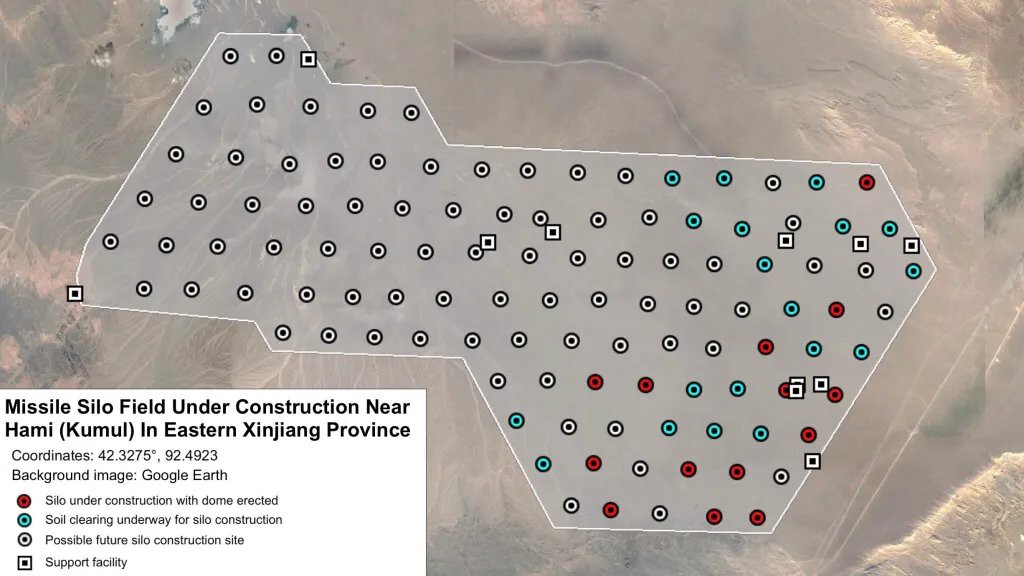
Additional sites have since been identified, bringing the total to hundreds of new silos. The scale suggests a deliberate effort to enhance survivability and signaling capability.
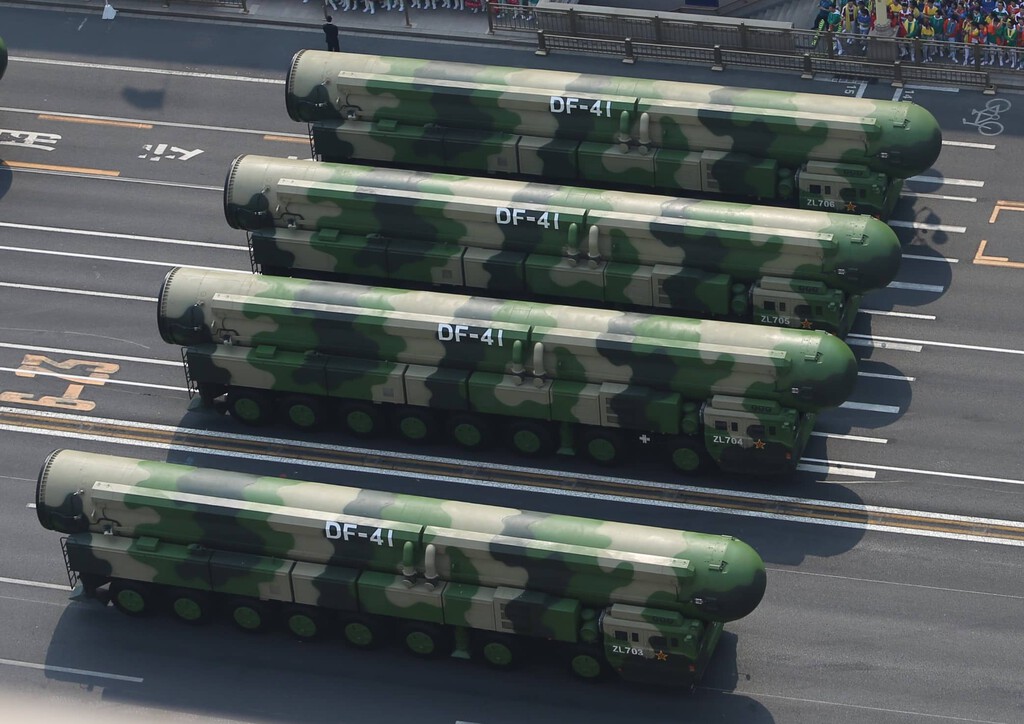
Why Build So Many Silos?
During the Cold War, the United States and the Soviet Union learned that the best way to avoid nuclear war was to convince the enemy that it could never destroy all their weapons in a first strike. Half a century later, China appears to have reached the same conclusion.
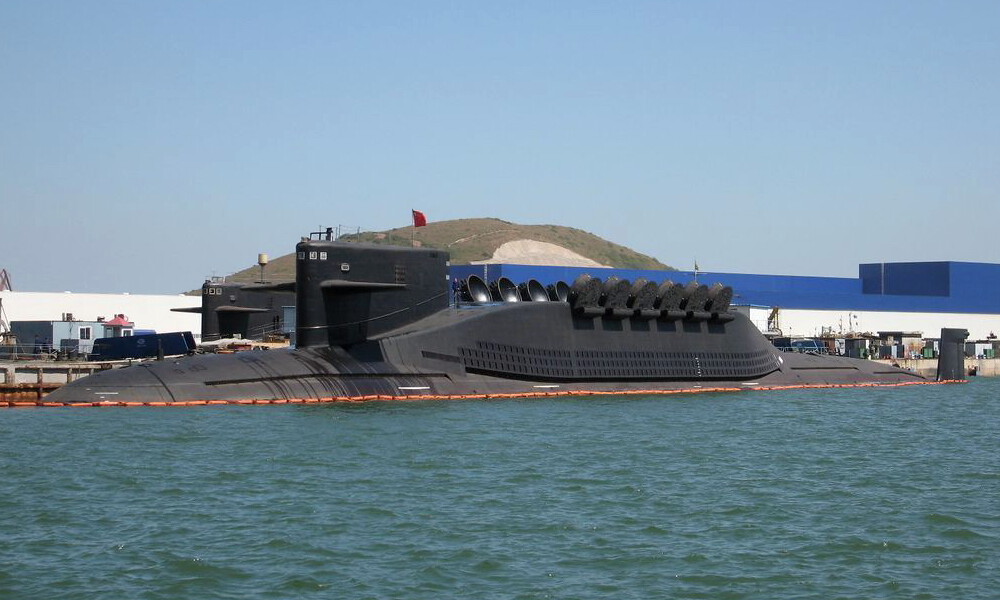
By dispersing its missiles across hundreds of silos, China makes it far harder for an adversary to target its nuclear forces. This increases the credibility of its second-strike capability, which is the cornerstone of mutual deterrence.
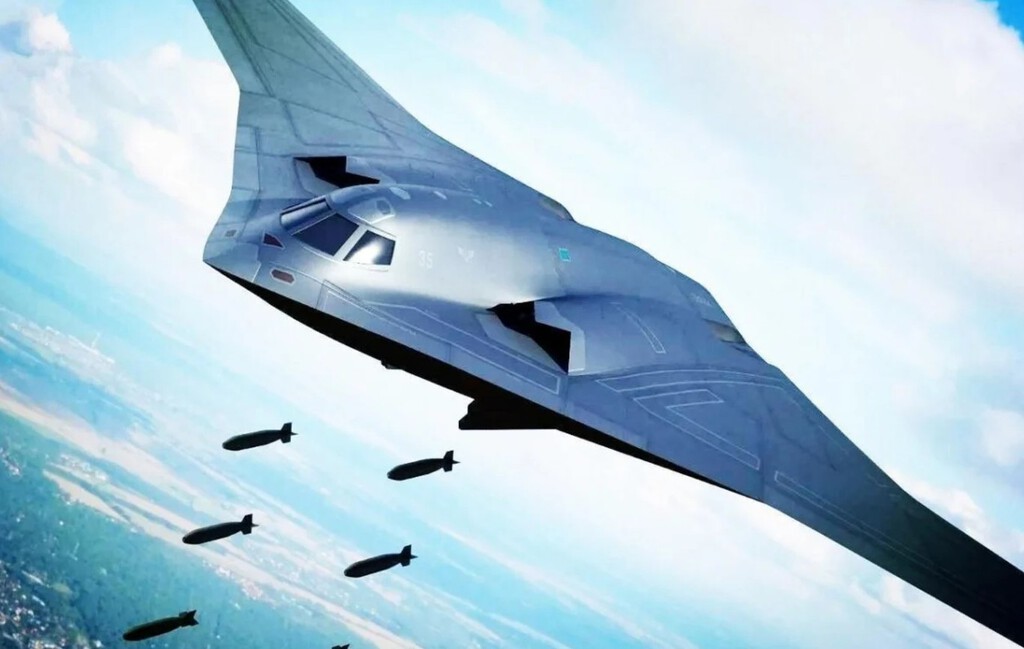
The Strategic Shift: From Minimal Deterrence to Robust Deterrence
For decades, China maintained a policy of minimum deterrence, keeping its arsenal small and emphasizing no-first-use. The new silo fields indicate a move toward a more robust deterrent posture.
This shift is driven by changing threat perceptions, including advances in US missile defense and conventional prompt strike capabilities. China may fear that its smaller arsenal could be vulnerable to a disarming first strike.
Implications for Global Security
The expansion raises concerns about a new arms race. If China builds more warheads and delivery systems, other nuclear powers may feel compelled to respond in kind.
It also complicates arms control efforts. Existing treaties do not cover China's emerging capabilities, and new negotiations may be needed to prevent destabilizing competition.
What the World Sees from Space
Satellite images show hundreds of circular holes in the desert, each designed to house a missile silo. The construction is rapid and widespread, indicating a well-resourced program.
Analysts note that many silos may be decoys, designed to absorb enemy fire. This tactic, known as deception, further enhances survivability.
The Role of Open-Source Intelligence
Commercial satellite imagery has played a key role in revealing these developments. Researchers and journalists have used it to track construction and estimate the scale of the expansion.
This transparency can help inform public debate and policy responses, though it also poses challenges for verification and monitoring.
Comparing China's Nuclear Expansion to Other Powers
China's silo expansion is notable for its speed and scale. The table below compares key nuclear powers.
| Country | Estimated Warheads | Key Delivery Systems | Recent Developments |
|---|---|---|---|
| United States | ~5,500 | ICBMs, SLBMs, bombers | Modernization of triad |
| Russia | ~6,000 | ICBMs, SLBMs, bombers | New hypersonic systems |
| China | ~350 (growing) | ICBMs, SLBMs, bombers | Hundreds of new silos |
| France | ~290 | SLBMs, aircraft | M51 missile upgrade |
| UK | ~225 | SLBMs | Dreadnought submarine program |
China's arsenal is still smaller than those of the US and Russia, but its rapid growth and qualitative improvements are significant.
Key Takeaways
- China has built hundreds of new nuclear missile silos in its western deserts, marking a major strategic shift.
- The expansion enhances China's second-strike capability and signals a move toward robust deterrence.
- Satellite imagery has been crucial in revealing the scale of the program.
- The build-up could trigger a new arms race and complicate arms control efforts.
- China's arsenal remains smaller than the US and Russia but is growing rapidly.
What to Watch Next
The pace of construction and the deployment of missiles to these silos will be key indicators. Analysts will also watch for changes in China's nuclear doctrine and its willingness to engage in arms control talks.
Meanwhile, the US and its allies may respond with their own modernization programs, potentially leading to a more multipolar nuclear landscape. The background to this story is set out in France's Secret Nuclear Missile Silos Beneath Provence. A related thread runs through US-Iran Crisis: Trump's Gamble Reshaping Global Order. Earlier coverage in Violence Against Politicians Reshaping UK Democracy shows how the argument developed.
For a deeper look at how China is advancing its strategic capabilities, see our analysis of China's 582-ton magnet for artificial sun fusion energy, which highlights another frontier of technological ambition. A closer look at the same subject appears in Violence Against Politicians Reshaping UK Democracy: Analysis. Anyone following the wider picture can start with AI Takeover: How Robotaxis Are Reshaping Jobs in China. The same theme surfaces in Trending: latest articles, which takes a different angle.
Understanding these developments is crucial for assessing global security trends. As China's nuclear posture evolves, the world will be watching closely. Context on how this played out before sits in Russia's Poseidon Nuclear Torpedo Now Has a Submarine to Prove It Works. A companion piece, China's Nuclear Missile Silo Expansion: A New Arms Race, approaches the same subject from another angle.
FAQ
What is the significance of China's new missile silos?
The silos enhance the survivability of China's nuclear forces, making it harder for an adversary to destroy them in a first strike. This strengthens China's second-strike capability and signals a shift toward a more robust deterrence posture.
How many new silos has China built?
Approximately 320 new silos were identified in three desert areas alone (Yumen, Hami, and Ordos). Additional sites have been found, bringing the total to hundreds.
Does this mean China is abandoning its no-first-use policy?
There is no official indication that China has changed its no-first-use policy. However, the expansion suggests a desire for a more survivable and credible deterrent, which could affect how the policy is implemented in practice.
How does this affect global security?
The expansion could lead to a new arms race as other nuclear powers respond. It also complicates arms control efforts, as existing treaties do not cover China's growing arsenal.
Browse the Shop
 Acacia frida deluxe solid wood bed frame |
Bedroom bench |
Bed chest drawers |
Lingerie dresser |
Frame base |
Mirror with jewelry storage |
30 Bathroom Vanity |
Memory foam queen mattress |
Mattresses for back pain |
Nightstand set of 2 |
Grand Goldman Shop |
Civil Lawyer
Deutschland Trikot WM 2026







