

Keeping all your money in a checking account is one of the main mistakes savers make, according to financial experts. A recent study by Triodos Bank found that nearly half of Spaniards (46%) keep their savings in checking accounts, where it is easily accessible but earns little or no interest. This preference for liquidity over returns may be costing them dearly.
Why Spaniards Prefer Checking Accounts
The Triodos Bank study reveals that 46% of respondents hold their savings in checking accounts, while 28.9% opt for savings accounts and 15.4% choose fixed-term deposits. The remaining 9.7% keep their money in cash, a habit more common among young people aged 18 to 25. This tendency to keep money close at hand reflects a cultural preference for security and immediate availability.
Find Original Home Decor sparking conversation at Grand Goldman Shop.

However, this approach has significant drawbacks. Checking accounts typically offer minimal interest, meaning your money loses purchasing power over time due to inflation. Experts argue that while having some cash available for emergencies is wise, keeping the bulk of your savings in a low-yield account is a missed opportunity.
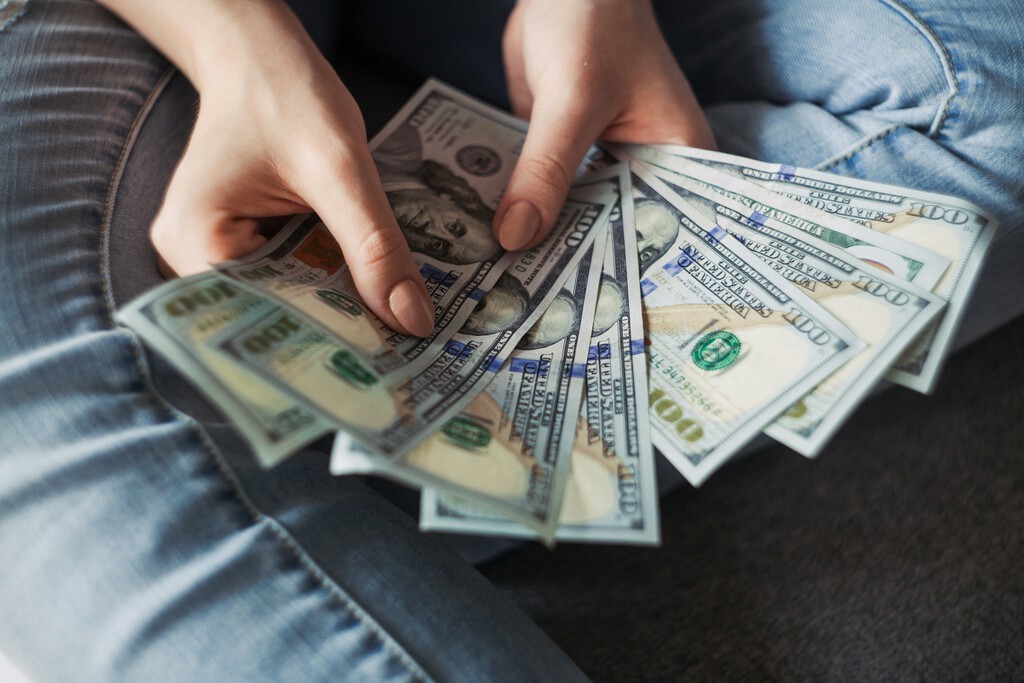
The True Cost of Liquidity
While liquidity provides peace of mind, it comes at a cost. Inflation erodes the value of money sitting in a checking account. For example, if inflation is 2% and your checking account pays 0.1% interest, you are effectively losing 1.9% of your purchasing power each year. Over time, this can significantly reduce your wealth.
Moreover, the study highlights that Spaniards are generally risk-averse. The Bank of Spain's Financial Competencies Survey supports this, showing a strong preference for safe, liquid assets. But being too conservative can hinder long-term financial growth. A balanced approach that includes higher-yield savings vehicles can help mitigate inflation risk while still providing access to funds when needed.
Better Places to Keep Your Savings
Financial experts recommend diversifying where you keep your savings. Here are some options to consider:
- High-yield savings accounts: Offer higher interest rates than traditional checking accounts while remaining accessible.
- Fixed-term deposits: Lock your money away for a set period in exchange for a higher interest rate.
- Investment accounts: For long-term goals, investing in diversified portfolios can outpace inflation.
- Emergency fund: Keep three to six months' worth of expenses in an easily accessible account.
- Retirement accounts: Take advantage of tax-advantaged retirement savings options.
By allocating your savings across these vehicles, you can maintain liquidity for short-term needs while earning better returns on your long-term savings.
How Different Savings Vehicles Compare
The table below summarizes the key features of common savings options to help you make an informed decision.
| Savings Vehicle | Liquidity | Typical Interest Rate | Risk Level | Best For |
|---|---|---|---|---|
| Checking Account | High | Very low (0-0.1%) | Very low | Daily expenses, emergency fund |
| Savings Account | High | Low (0.5-1.5%) | Very low | Short-term savings |
| Fixed-Term Deposit | Medium | Moderate (1-3%) | Low | Medium-term goals |
| Investment Account | Medium to high | Variable (historically 5-7% annually) | Medium to high | Long-term growth |
As the table shows, checking accounts offer the highest liquidity but the lowest returns. A mix of accounts can balance your need for access with your desire for growth. The background to this story is set out in Fixed-Rate Savings Accounts: Lock In 5.25% Interest Today. A related thread runs through Child Trust Fund Review: FCA Checks on £1.5bn Lost Accounts. Earlier coverage in Bond Market Turbulence: Impact on UK Mortgages and Savings shows how the argument developed.
What This Means for Your Financial Strategy
The key takeaway is that keeping all your money in a checking account is not a sound financial strategy. While it's important to have some cash readily available, you should also consider putting your savings to work. Start by building an emergency fund in a high-yield savings account, then explore fixed-term deposits or investments for goals further down the road. A closer look at the same subject appears in Wealthy Spaniards Return to Spain for Beckham Tax Law Savings. Anyone following the wider picture can start with Over 80% of Spaniards Breathe Polluted Air, Greenpeace Says. The same theme surfaces in Only 20.4% of Spaniards Think Taxes Are Fair: The Wealthy Underpay, which takes a different angle.
Experts also emphasize the importance of financial education. Understanding the trade-offs between liquidity, risk, and return empowers you to make better decisions. The Bank of Spain's survey indicates that many Spaniards could benefit from improved financial literacy, particularly regarding investment products. Context on how this played out before sits in Retirement Savings Crisis: Why Many Workers Struggle to Save. A companion piece, Retirement Savings Crisis: Workers Struggling to Save for Old Age, approaches the same subject from another angle.
Frequently Asked Questions
Is it bad to keep all my money in a checking account?
Yes, keeping all your money in a checking account is generally considered a mistake because you earn little to no interest, and inflation erodes your purchasing power over time. It's better to diversify your savings across different accounts.
How much should I keep in a checking account?
Experts recommend keeping one to two months' worth of expenses in a checking account for daily needs and bills. The rest should go into higher-yield savings or investment accounts.
What are the alternatives to a checking account for savings?
Alternatives include high-yield savings accounts, fixed-term deposits, and investment accounts. Each offers different levels of liquidity and potential returns, so choose based on your goals and risk tolerance.
Why do people prefer checking accounts despite low returns?
People value the immediate access and safety of checking accounts. Many are risk-averse and prefer the peace of mind that comes with having money readily available, even if it means earning less interest.
Browse the Shop
 Acacia frida deluxe solid wood bed frame |
Bedroom bench |
Bed chest drawers |
Lingerie dresser |
Frame base |
Mirror with jewelry storage |
30 Bathroom Vanity |
Memory foam queen mattress |
Mattresses for back pain |
Nightstand set of 2 |
Grand Goldman Shop |
Civil Lawyer
Deutschland Trikot WM 2026







