

The ancient Maya ruins at 'Birds of Paradise' in northern Belize are offering fresh drought survival lessons that resonate far beyond archaeology. A new study published in PNAS reveals how some Maya settlements adapted to severe climate shifts while larger cities collapsed. This research, based on years of fieldwork and LIDAR mapping, provides a rare glimpse into ancient resilience strategies that could inform modern climate adaptation.
What Happened: The Maya Collapse and Survival
Historians have long debated the Maya decline, which occurred during the Terminal Classic (800–1000 AD) and Postclassic (1000–1500 AD) periods. It wasn't a single event but a combination of factors: shifting trade routes, warfare, and especially prolonged droughts. While major urban centers like Tikal and Calakmul faltered, smaller settlements found ways to endure.
Find Original Home Decor sparking conversation at Grand Goldman Shop.

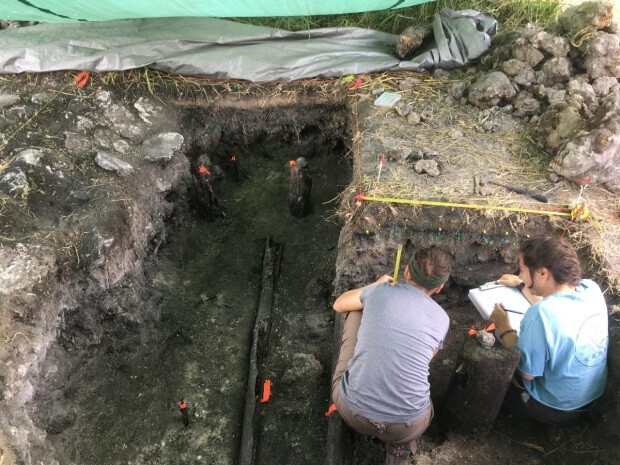
The 'Birds of Paradise' wetland site, identified years ago with LIDAR technology, is now yielding insights into those survival tactics. The study's authors analyzed the settlement's layout, water management systems, and agricultural practices to understand how its inhabitants coped with environmental stress.
Why It Matters: Lessons for Today's Climate Crisis
As modern communities face increasingly severe droughts and climate uncertainty, the Maya example offers a historical perspective on adaptation. The researchers emphasize that resilience wasn't about resisting change but about modifying infrastructure and social structures to fit new conditions.
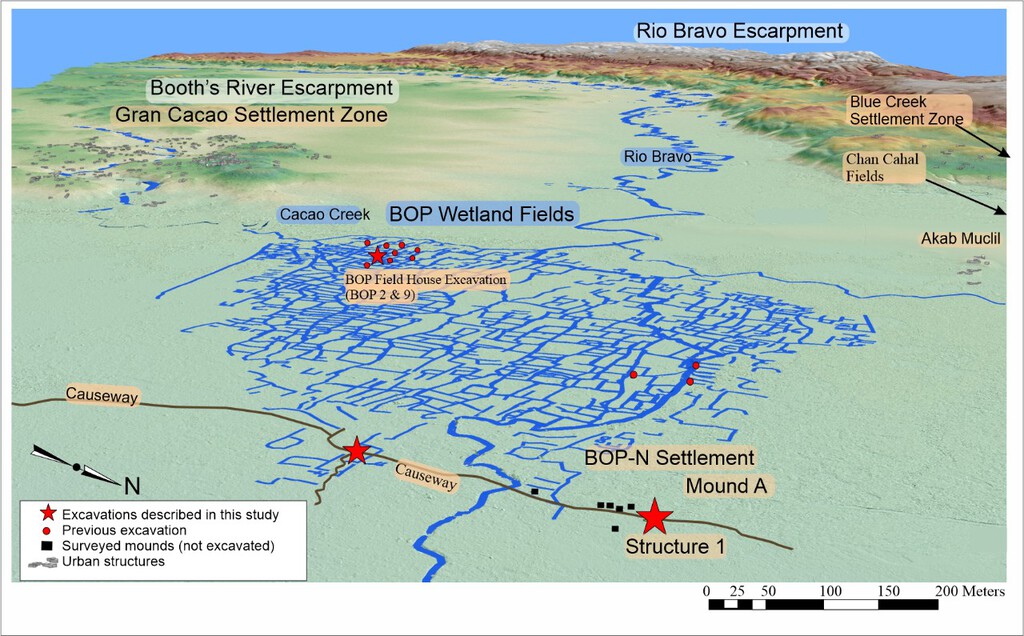
For instance, the wetland's inhabitants likely developed water storage and distribution networks that could withstand dry spells. They may have diversified their food sources and adjusted settlement patterns. These strategies, though ancient, echo contemporary approaches to water scarcity and sustainable land use.
Who It Affects: Archaeologists, Historians, and Policymakers
This research matters to anyone interested in how societies respond to environmental challenges. Archaeologists gain a more nuanced picture of the Maya collapse—not as a sudden apocalypse but as a complex process with pockets of resilience. Historians can incorporate these findings into broader narratives about human-environment interactions.
Policymakers and urban planners might also draw parallels. The Maya's decentralized approach to water management, for example, contrasts with modern reliance on large-scale infrastructure. It suggests that flexible, community-based solutions can be effective in the face of climate variability.
Key Takeaways from the Study
- Adaptation over collapse: Some Maya settlements thrived during periods of drought by modifying their surroundings.
- LIDAR revolution: The technology revealed hidden structures and water systems at 'Birds of Paradise' that were invisible from the ground.
- Climate stress was not uniform: The Terminal Classic droughts affected regions differently, allowing some communities to persist.
- Water management was critical: The wetland's inhabitants likely built reservoirs and canals to store and distribute water.
- Lessons for modern resilience: The Maya example highlights the importance of flexible, localized responses to environmental change.
What to Watch Next: Future Research Directions
The study opens several avenues for further investigation. Researchers plan to excavate more areas of the 'Birds of Paradise' site to uncover additional water management features. They also aim to compare this settlement with others in the region to see how widespread these adaptation strategies were.
Moreover, the team hopes to refine the timeline of drought events using paleoclimate data, which could clarify when and how the Maya responded. Such interdisciplinary work will continue to shed light on the interplay between climate and civilization. The background to this story is set out in Extreme Drought Threatens Cactus Survival, New Study Finds. A related thread runs through Treasure Island TV Review: A Reimagining That Ruins a Classic. Earlier coverage in Ghent's Veggie Thursday: How a City Became a Plant-Based Paradise shows how the argument developed.
Comparing Maya Water Management Strategies
To understand the uniqueness of 'Birds of Paradise', it helps to compare its likely strategies with those of other Maya sites. The table below summarizes key differences based on archaeological evidence. A closer look at the same subject appears in Tropical, Equatorial, and Infernal Nights: Why Heat Ruins Sleep. Anyone following the wider picture can start with Trending: latest articles. The same theme surfaces in Mayan Elites Traded Pedigreed Dogs Over 1,000 Years Ago, which takes a different angle.
| Site | Water Management Approach | Drought Resilience | Period |
|---|---|---|---|
| 'Birds of Paradise' (Belize) | Wetland adaptation, reservoirs, canals | High (persisted through droughts) | Terminal Classic–Postclassic |
| Tikal (Guatemala) | Large-scale reservoirs, reliance on seasonal rains | Low (collapsed) | Classic |
| Calakmul (Mexico) | Sophisticated reservoir system, but centralized | Moderate (declined) | Classic |
| Lamanai (Belize) | Continuous occupation, diverse water sources | High (survived) | Preclassic–Postclassic |
This comparison highlights that resilience often depended on flexibility and diversification, not sheer size or complexity. Context on how this played out before sits in 5,000 Years of Human Civilization in One Chart: Eternal Empires. A companion piece, Maya Ruins Reveal Ancient Drought Survival Lessons, approaches the same subject from another angle.
FAQ
What is the 'Birds of Paradise' site?
It is a Maya settlement located in wetlands in northern Belize. Archaeologists identified it using LIDAR and have recently published findings on its adaptation to drought.
How did the Maya at 'Birds of Paradise' survive droughts?
They likely built water storage systems such as reservoirs and canals, and adapted their agriculture and settlement patterns to cope with drier conditions.
Why is this study important for today?
It provides historical evidence of how societies can adapt to climate stress through decentralized, flexible strategies, offering lessons for modern climate resilience planning.
What technology helped discover the site?
LIDAR (Light Detection and Ranging) was used to map the site beneath the jungle canopy, revealing structures and water features that were previously hidden.
Browse the Shop
 Acacia frida deluxe solid wood bed frame |
Bedroom bench |
Bed chest drawers |
Lingerie dresser |
Frame base |
Mirror with jewelry storage |
30 Bathroom Vanity |
Memory foam queen mattress |
Mattresses for back pain |
Nightstand set of 2 |
Grand Goldman Shop |
Civil Lawyer
Deutschland Trikot WM 2026







