

No Frost refrigerators dominate today's market, but what does that really mean for your food? While most people know these models prevent frost buildup, they also have other quirks compared to traditional cyclic (static) fridges. Understanding the differences helps you choose the right appliance and store food properly.
How No Frost Refrigerators Work
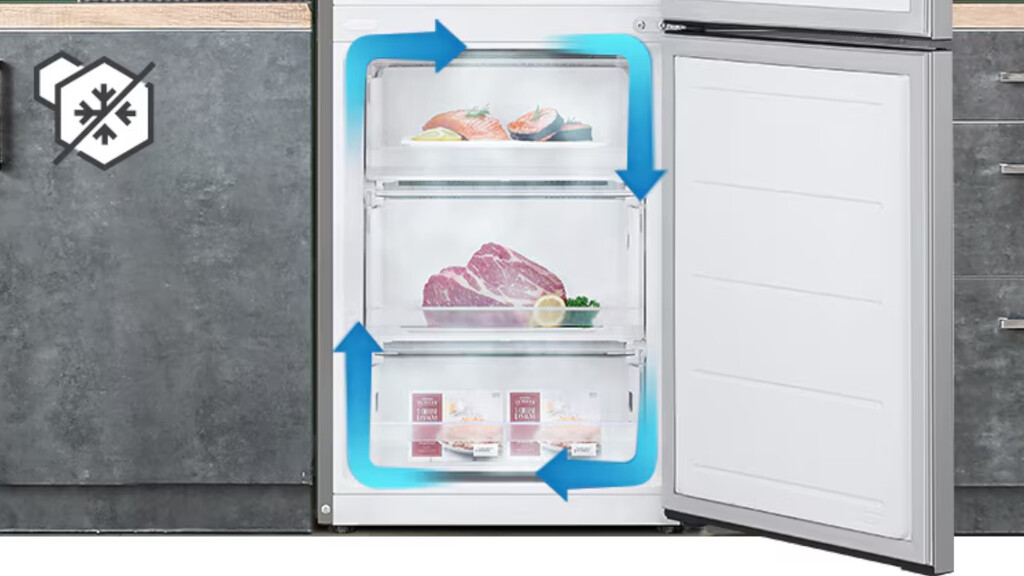
No Frost fridges use fans to constantly circulate cold air, preventing water vapor from condensing on the walls. This dry, steady airflow stops humidity from accumulating as ice, so you never have to defrost manually. Many models also include a system to eliminate small traces of ice if they appear.
Find Original Home Decor sparking conversation at Grand Goldman Shop.

Beyond avoiding frost, this constant airflow distributes cold air evenly to every corner, helping all foods stay fresh longer. However, the dry air can also dehydrate items like fruit, cold cuts, and vegetables if you're not careful.
How Cyclic (Static) Refrigerators Work
Cyclic fridges, also called static or conventional models, rely on natural convection. Cold air sinks and warm air rises, creating temperature zones inside the fridge. This means the top area is usually warmer than the bottom, and moisture tends to condense on the back wall, forming frost that requires periodic defrosting.
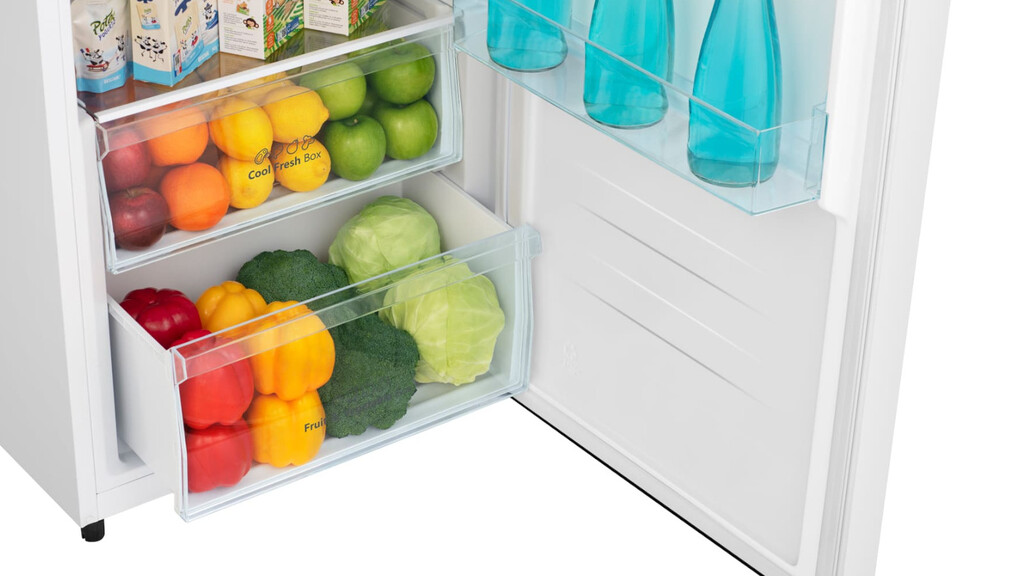
Because there's no fan, cyclic fridges maintain higher humidity levels, which can be better for storing fresh produce. However, temperature fluctuations and frost buildup are common downsides.
Key Differences: No Frost vs Cyclic
The table below summarizes the main differences to help you compare at a glance.
| Feature | No Frost | Cyclic (Static) |
|---|---|---|
| Air circulation | Fan-forced, even cooling | Natural convection, uneven zones |
| Frost buildup | None; auto-defrost | Forms on back wall; manual defrost needed |
| Humidity level | Low (dry air) | Higher |
| Food dehydration | Higher risk for fresh items | Lower risk |
| Temperature consistency | Uniform | Varies by shelf |
| Maintenance | Minimal | Regular defrosting |
| Energy efficiency | Generally more efficient | Can be less efficient due to frost |
Advantages and Disadvantages of No Frost
No Frost offers convenience and consistent cooling, but the dry air can dry out food. Here are the key points to consider:
- No manual defrosting: saves time and effort.
- Even temperature: all shelves stay at similar cold levels.
- Food dehydration: fresh produce, meats, and cheeses may dry out faster.
- Higher energy efficiency: no frost buildup means better heat exchange.
- Potential noise: fans can produce slight humming.
Advantages and Disadvantages of Cyclic Fridges
Cyclic models are often cheaper and better at preserving moisture, but they require more maintenance. Consider these trade-offs:
- Better humidity: ideal for fruits and vegetables.
- Lower cost: typically less expensive upfront.
- Manual defrosting: frost builds up and must be removed periodically.
- Uneven cooling: temperature varies by shelf position.
- Higher energy use: frost reduces efficiency over time.
When to Choose a Frost-Free (No Frost) Refrigerator
If you prioritize convenience and even cooling, a No Frost fridge is a solid choice. It's especially useful for busy households that don't want to deal with defrosting. However, you'll need to store fresh foods in airtight containers or humidity-controlled drawers to prevent drying. The background to this story is set out in What Does OBJ Mean in Text? Every Meaning Decoded Fast — Explained. A related thread runs through What Does SS Mean in Text? The 7 Meanings Most People Miss — Explained. Earlier coverage in What Does S/P Mean in Texting? 5 Meanings Most People Get Wrong shows how the argument developed.
For those who mainly store packaged goods or don't mind occasional defrosting, a cyclic fridge can preserve fresh produce better and cost less. Assess your storage habits and budget before deciding. A closer look at the same subject appears in Cyclic Productivity: Why Menstrual Cycle Work Planning Is a Myth. Anyone following the wider picture can start with Trending: latest articles. The same theme surfaces in American vs Combi Fridge: Avoid Buying Unusable Liters, which takes a different angle.
Tips to Prevent Food Drying in a No Frost Fridge
Even though No Frost dries the air, you can mitigate its effects. Use sealed containers, wrap foods tightly, and keep fruits and vegetables in the crisper drawers. Adjusting the humidity settings on those drawers can also help retain moisture. Context on how this played out before sits in Papua New Guinea Drought: El Niño Crisis Dries Rivers and Farms.
FAQ
What is a No Frost refrigerator?
A No Frost refrigerator uses fans to circulate cold air, preventing frost buildup and eliminating the need for manual defrosting. It maintains a consistent temperature throughout the fridge.
Why does No Frost dry out food?
The constant dry airflow removes moisture from the air and can draw moisture from exposed foods, causing them to dehydrate faster. Proper storage in sealed containers helps prevent this.
Is a cyclic fridge better for fresh produce?
Cyclic fridges maintain higher humidity, which can help keep fruits and vegetables fresh longer. However, they require regular defrosting and have uneven cooling.
When should I buy a No Frost fridge?
Choose No Frost if you value convenience, even cooling, and low maintenance. It's ideal for households that prefer not to defrost manually and store mostly packaged foods.
Understanding these differences helps you make an informed choice. For related topics, see how Finlandia demuestra que los parques infantiles de caucho son menos saludables and explore other trending insights on our site.







