

Parents are increasingly delaying their children's first smartphone, and a new device from SaveFamily aims to make that transition easier for both parents and kids. The debate over when to give a child their first mobile phone is heating up in homes, schools, and public discourse.
The average age at which children get their first smartphone has dropped drastically, driven not only by peer pressure but also by parents' fear that their kids will be left disconnected. However, a growing number of families now want to postpone minors' access to digital devices.
Find Original Home Decor sparking conversation at Grand Goldman Shop.

The Shift Toward Delaying Smartphones
While many parents still feel the pressure to provide a phone for safety and social inclusion, a counter-movement is gaining momentum. Families are realizing that early, unrestricted access to smartphones can expose children to a range of risks that may outweigh the benefits.

Some governments have even proposed measures to reduce minors' exposure to online hazards, reflecting a broader societal concern. This shift is not about denying children technology but about introducing it in a more controlled, age-appropriate way.

Risks of Early Smartphone Access
A whitepaper by SaveFamily, a Spanish company that designs tech devices for children, analyzes how increasingly early access to electronic devices is transforming minors' relationship with technology and creating new risks for safety, well-being, and development.
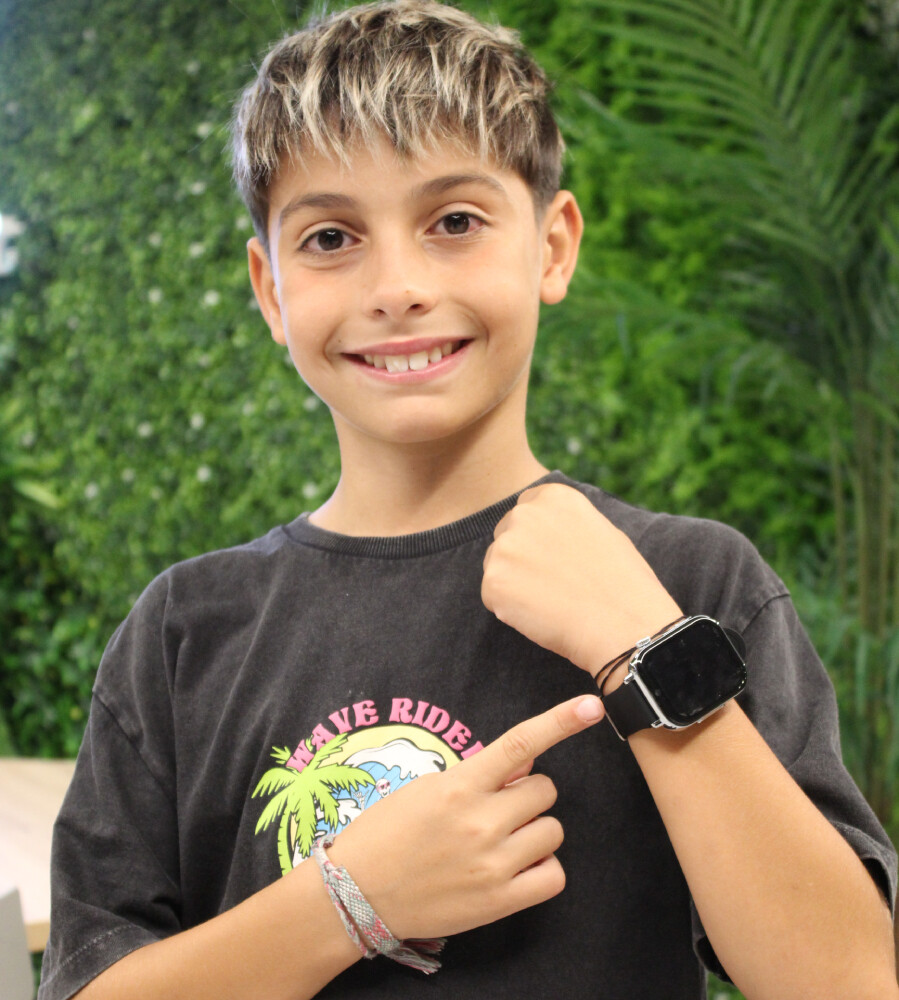
Among these risks, the report highlights continuous overexposure to stimuli designed to capture attention, which can have consequences for cognitive and behavioral development. It also points to new forms of cyberbullying and risks related to privacy and data usage.
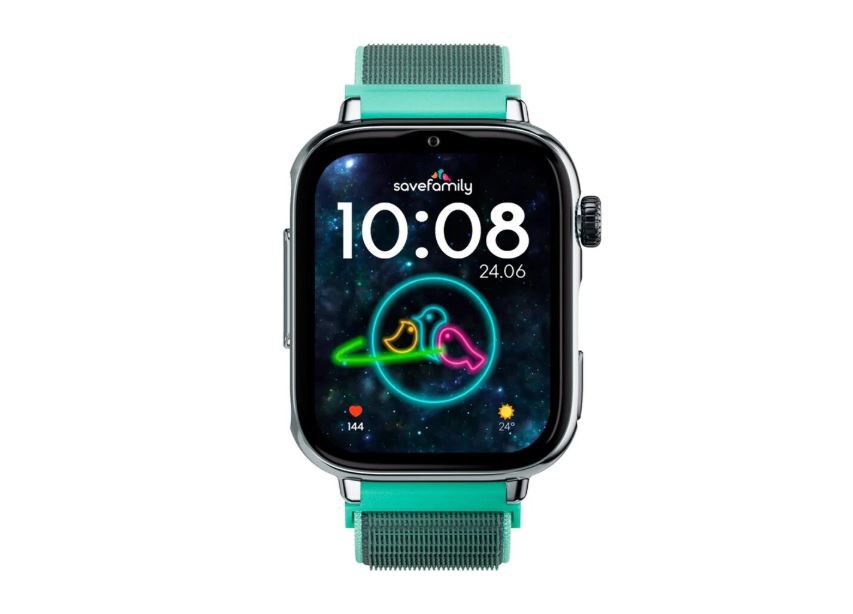
- Cognitive and behavioral impact: Constant notifications and engaging content can disrupt focus and sleep.
- Cyberbullying: Early exposure to social media increases the chance of online harassment.
- Privacy concerns: Children may not understand how their data is collected and used.
- Screen addiction: Apps are designed to keep users hooked, making self-regulation difficult for kids.
- Reduced physical activity: More screen time often means less time for active play.
SaveFamily's Approach: Connected but Protected
SaveFamily advocates for a model where children have tools adapted to their age, allowing them to stay connected without being exposed to the full range of internet risks. The company's devices are designed to offer communication features—like calls and messages to approved contacts—while limiting access to social media and open web browsing.
This approach aligns with the growing consensus among parents and experts that a gradual introduction to technology is healthier than an all-or-nothing approach. By providing a device that is safe by design, parents can delay the full smartphone experience while still addressing the practical need for communication.
How the Device Works
SaveFamily's devices typically include GPS tracking, SOS buttons, and parental control apps that let parents monitor usage and set boundaries. The goal is to give children a sense of independence and connection without the distractions and dangers of a full-fledged smartphone.
For parents, this means peace of mind: they can reach their children and know their location, but they don't have to worry about inappropriate content or late-night social media use. For children, it's a way to stay in touch with friends and family without feeling left out. The background to this story is set out in Smartwatch for Kids: A Safe Alternative to a Smartphone. A related thread runs through Apple's Child Safety Push: iPhones for Kids and Parental Controls. Earlier coverage in Teens Can Access Nudify Apps Despite Parental Controls shows how the argument developed.
What This Means for Families
The decision of when to give a child a smartphone is deeply personal, but the trend toward delaying access is backed by a growing body of research on child development. Devices like those from SaveFamily offer a middle ground: they acknowledge the need for connection while prioritizing safety and healthy development. A closer look at the same subject appears in Roblox Privacy Overhaul: eSafety Forces Child Safety Changes. Anyone following the wider picture can start with Heatwave Child Safety: Protect Kids in Extreme Heat. The same theme surfaces in Chinese Parents Choose Smartwatches for Kids Over Smartphones, which takes a different angle.
As more families adopt this approach, the market for kid-safe technology is likely to expand, giving parents more options to choose from. The key is to stay informed and to choose tools that align with your family's values and your child's maturity level. Context on how this played out before sits in Covid Shots for Kids Delayed: Trump Officials Restrict Vaccines. A companion piece, Supporting Families to Make Healthier Food Choices Easier, approaches the same subject from another angle.
Comparison of Device Options
| Feature | Basic Phone | SaveFamily Device | Full Smartphone |
|---|---|---|---|
| Parental controls | Limited | Extensive | Varies |
| GPS tracking | No | Yes | Yes |
| Social media access | No | No | Yes |
| Internet browsing | No | Restricted | Yes |
| Age-appropriate design | No | Yes | No |
FAQ
What is the average age for a child's first smartphone?
The average age has dropped significantly in recent years, with many children receiving their first smartphone before age 12. However, a growing number of parents are choosing to delay until later.
Why are parents delaying smartphones for kids?
Parents are concerned about risks such as cyberbullying, privacy issues, and the impact of screen time on cognitive and behavioral development. They also want to encourage more physical activity and face-to-face interaction.
How does a SaveFamily device differ from a regular smartphone?
SaveFamily devices are designed for children, with features like GPS tracking, SOS buttons, and parental controls that limit access to social media and open internet. They provide communication without the full range of smartphone distractions.
Can a child still stay connected with friends using a SaveFamily device?
Yes, these devices allow calls and messages to approved contacts, so children can stay in touch with family and friends while parents maintain control over who they communicate with.
Browse the Shop
 Acacia frida deluxe solid wood bed frame |
Bedroom bench |
Bed chest drawers |
Lingerie dresser |
Frame base |
Mirror with jewelry storage |
30 Bathroom Vanity |
Memory foam queen mattress |
Mattresses for back pain |
Nightstand set of 2 |
Grand Goldman Shop |
Civil Lawyer
Deutschland Trikot WM 2026







