

Phoenix's cool pavement experiment in 2020 covered 58 kilometers of roads with a reflective coating and lowered asphalt temperatures by about 7°C, but the project largely overlooked pedestrians. The city's battle against extreme heat reveals both the promise and the blind spots of reflective road treatments.
Phoenix has a problem that is hard to hide under the asphalt: in summer, temperatures routinely exceed 38°C (100°F), and the city's dark surfaces can become enormous energy accumulators. Conventional asphalt absorbs radiation for hours, can approach 82°C (180°F) during the most extreme periods, and then continues to slowly release that heat after the sun disappears.
Find Original Home Decor sparking conversation at Grand Goldman Shop.

A Giant Experiment: 58 Kilometers of Cool Pavement
This context led to 2020, when the City Council decided to test an apparently simple solution on a large scale: covering about 58 kilometers (36 miles) of residential streets and a parking lot with CoolSeal, a light gray reflective coating designed to absorb less solar radiation. Eight districts participated in an experiment that Arizona State University would monitor for a year.
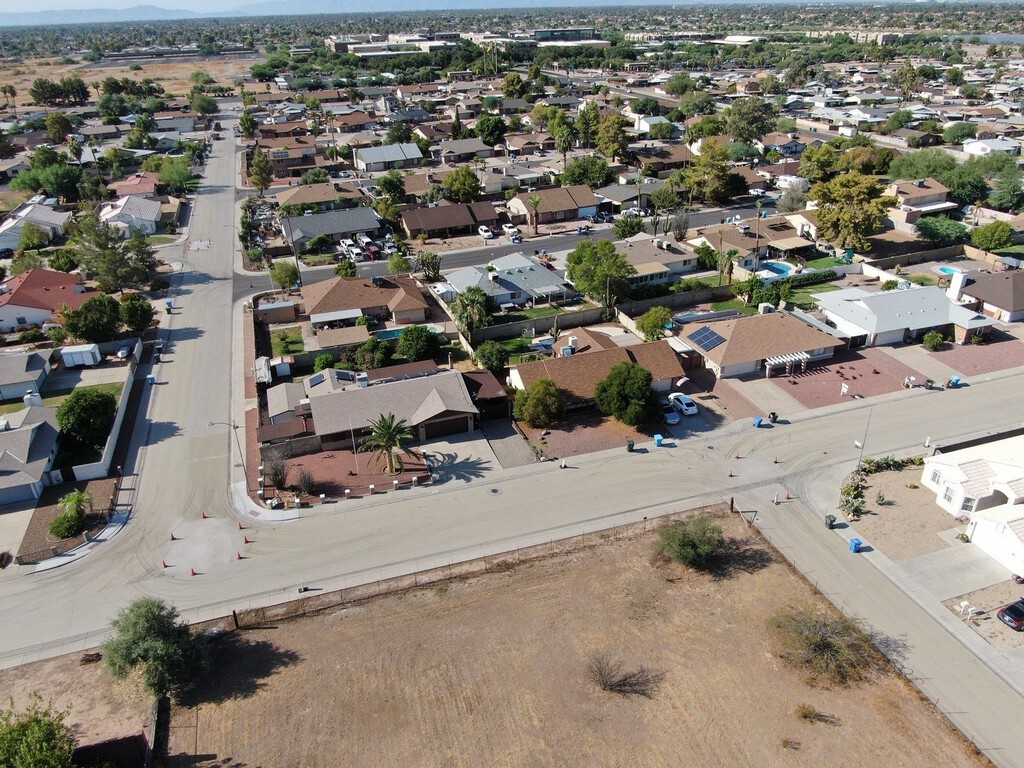
CoolSeal is a water-based treatment applied directly over existing pavement, costing two to three times more than conventional sealing. Its lighter color reflects a greater proportion of solar radiation instead of storing it in the road, reducing both the surface temperature and the temperature of the material beneath.
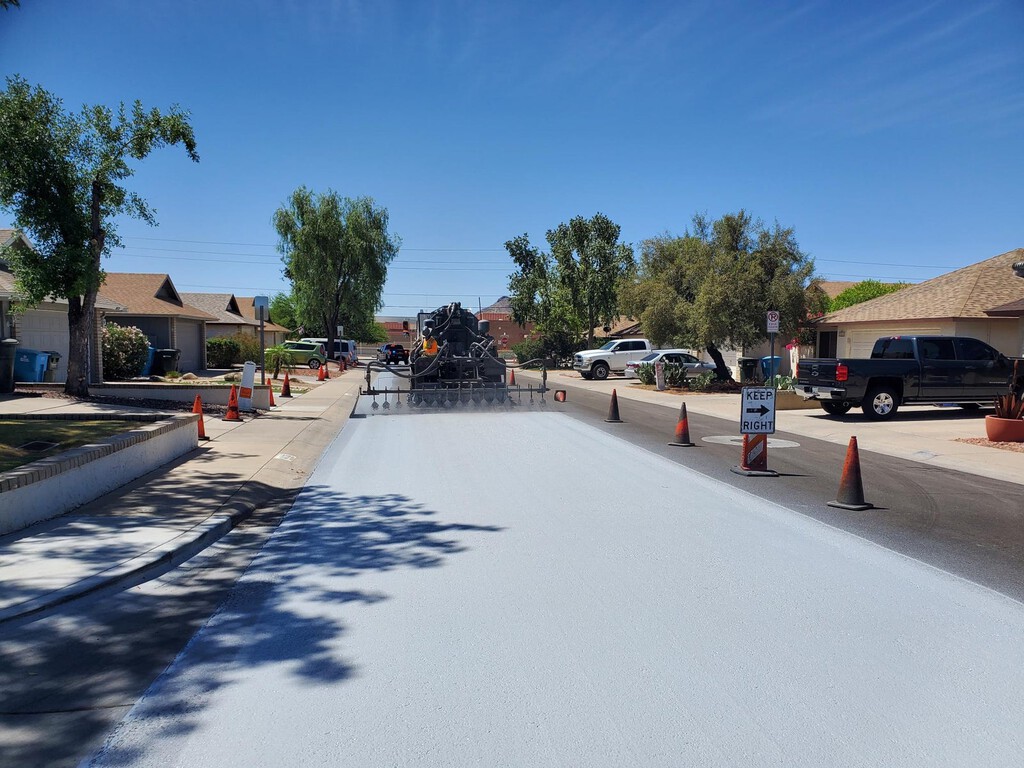
How Cool Pavement Works to Reduce Urban Heat
Phoenix sought to attack the urban heat island effect, the phenomenon where roads and buildings accumulate energy during the day and keep cities artificially warm at night. By reflecting more sunlight, cool pavement reduces the amount of heat absorbed by the road surface and released later.
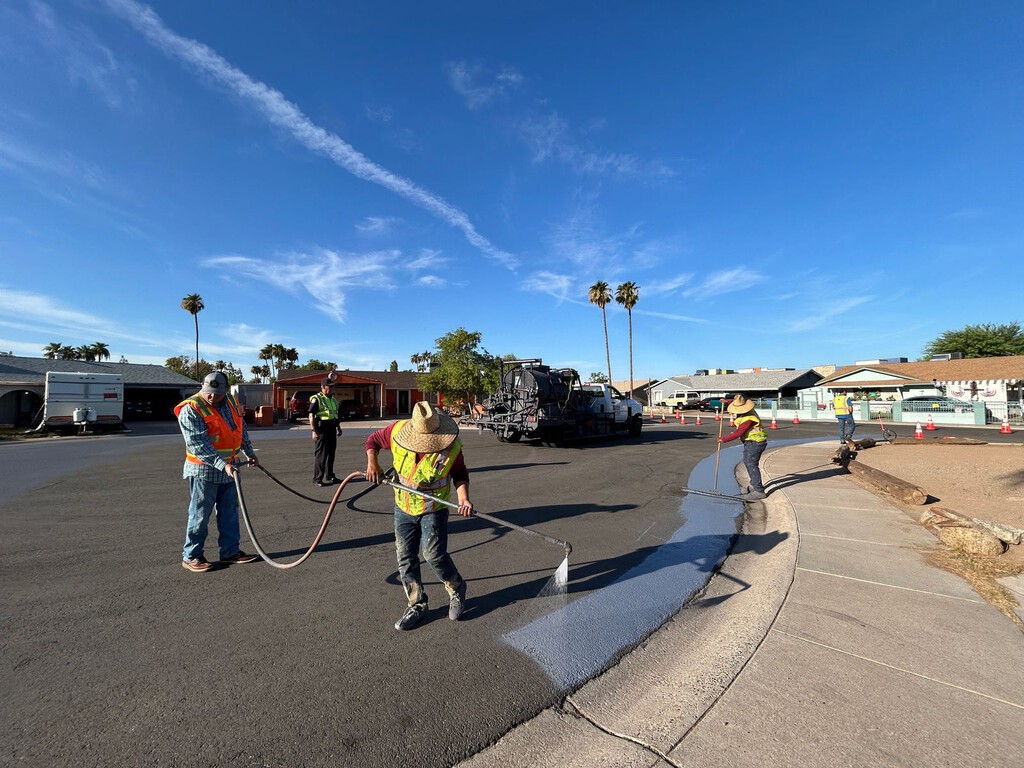
The Arizona State University study found that cool pavement surfaces were about 7°C (12°F) cooler than conventional asphalt during the day. However, the coating's performance varied: in direct sun, the difference was significant, but at night the advantage diminished as the pavement released stored heat.
- Surface temperature reduction: Cool pavement lowered daytime surface temperatures by approximately 7°C (12°F) compared to traditional asphalt.
- Cost premium: The reflective coating costs two to three times more than standard sealants, raising questions about large-scale affordability.
- Nighttime performance: The cooling benefit shrank after sunset, and some studies suggest reflective surfaces may slightly increase nighttime air temperatures.
- Pedestrian impact: The project focused on road surfaces but did not adequately address heat exposure for people walking or cycling.
- Maintenance needs: Cool pavement requires regular cleaning to maintain reflectivity, adding to long-term costs.
Why Pedestrians Were Left Out of the Cool Pavement Equation
While the cool pavement lowered temperatures on the road, it did little to protect pedestrians. Sidewalks, crosswalks, and bus stops often remained conventional dark surfaces, exposing people to extreme heat. In a city where walking is a necessity for many, this oversight is critical.
Moreover, reflective coatings can increase the amount of solar radiation that reaches pedestrians. The light bounces off the pavement and can hit people directly, potentially raising their heat exposure. Studies have shown that while cool pavement reduces surface temperature, it may not improve—and could even worsen—the thermal comfort of people standing or walking on it.
Comparing Cool Pavement Options: What the Data Shows
Different cool pavement strategies offer varying benefits and drawbacks. The table below summarizes key metrics based on the Phoenix experiment and related research. Context on how this played out before sits in Phoenix Cool Pavement Cut Asphalt Heat 7°C but Ignored Pedestrians. A companion piece, White Streets to Beat Summer Heat: Los Angeles Reality Check, approaches the same subject from another angle.
| Metric | Conventional Asphalt | CoolSeal (Reflective Coating) |
|---|---|---|
| Daytime surface temperature | Up to 82°C (180°F) | About 7°C (12°F) cooler |
| Relative cost | Baseline | 2–3 times higher |
| Nighttime air temperature effect | Releases stored heat slowly | May slightly increase due to reduced heat storage |
| Pedestrian thermal comfort | Low (hot surface) | Mixed (reflected radiation) |
| Maintenance requirement | Standard | Regular cleaning to maintain reflectivity |
What Phoenix's Cool Pavement Project Means for Other Cities
Phoenix's experiment shows that cool pavement can be a useful tool in the fight against urban heat, but it is not a silver bullet. Cities considering similar projects must weigh the costs against the benefits and ensure that solutions address all residents, not just drivers. The background to this story is set out in Pavement Gully Rules Cut EV Charging Costs for Drivers. A related thread runs through Urban Heat Islands: How Smart Tree Planting Cools Cities.
The study also highlighted the importance of holistic approaches. Combining cool pavement with shade structures, trees, and cool sidewalks can provide more comprehensive heat relief. For pedestrians, shade and misting stations may be more effective than reflective roads alone. Earlier coverage in Trending: latest articles shows how the argument developed. A closer look at the same subject appears in Fresh Kills: New York's 53-Year Landfill Becomes a Massive Park.
As climate change intensifies heat waves, cities need evidence-based strategies. Phoenix's willingness to test at scale provides valuable data, but the next generation of cool pavement projects should integrate pedestrian comfort from the start. Anyone following the wider picture can start with Plant Boarding: The New Business Trend in Madrid This Summer. The same theme surfaces in Hainan Island: China's Bold Economic Experiment Draws Spanish Investors, which takes a different angle.
FAQ
How much did cool pavement reduce temperatures in Phoenix?
The CoolSeal coating lowered daytime surface temperatures by about 7°C (12°F) compared to conventional asphalt. However, the cooling effect was less pronounced at night, and air temperature reductions were smaller.
Why are pedestrians a concern with cool pavement?
Cool pavement reflects more solar radiation, which can increase heat exposure for pedestrians if the reflected light hits them directly. Additionally, sidewalks and other pedestrian areas were not always treated, leaving people exposed to hot surfaces.
Is cool pavement worth the extra cost?
It depends on the context. Cool pavement costs two to three times more than conventional sealing, but it can reduce surface temperatures and improve comfort for drivers and cyclists. Cities must weigh these benefits against maintenance needs and pedestrian impacts.
What alternatives exist for cooling cities?
Other strategies include planting trees for shade, installing cool roofs, creating green spaces, and using permeable pavements. A combination of these approaches is often more effective than any single solution.
Browse the Shop
 Acacia frida deluxe solid wood bed frame |
Bedroom bench |
Bed chest drawers |
Lingerie dresser |
Frame base |
Mirror with jewelry storage |
30 Bathroom Vanity |
Memory foam queen mattress |
Mattresses for back pain |
Nightstand set of 2 |
Grand Goldman Shop |
Civil Lawyer
Deutschland Trikot WM 2026







