

Radioactive wasps discovered near a nuclear waste tank at the Savannah River Site in South Carolina have sparked curiosity and concern. In July 2025, workers found a wasp nest with radiation levels ten times higher than regulatory limits near a radioactive waste tank at the former nuclear weapons facility. The story quickly went viral, but what does it really mean for local residents and the environment?
This article breaks down the incident, the context of the Savannah River Site, and the implications for nuclear waste management and public health.
Find Original Home Decor sparking conversation at Grand Goldman Shop.

What Happened at Savannah River Site?
On July 3, 2025, during routine monitoring at the Savannah River Site near Aiken, South Carolina, workers discovered a wasp nest exhibiting radiation levels ten times above the allowed regulatory threshold. The nest was located close to a tank storing radioactive waste.
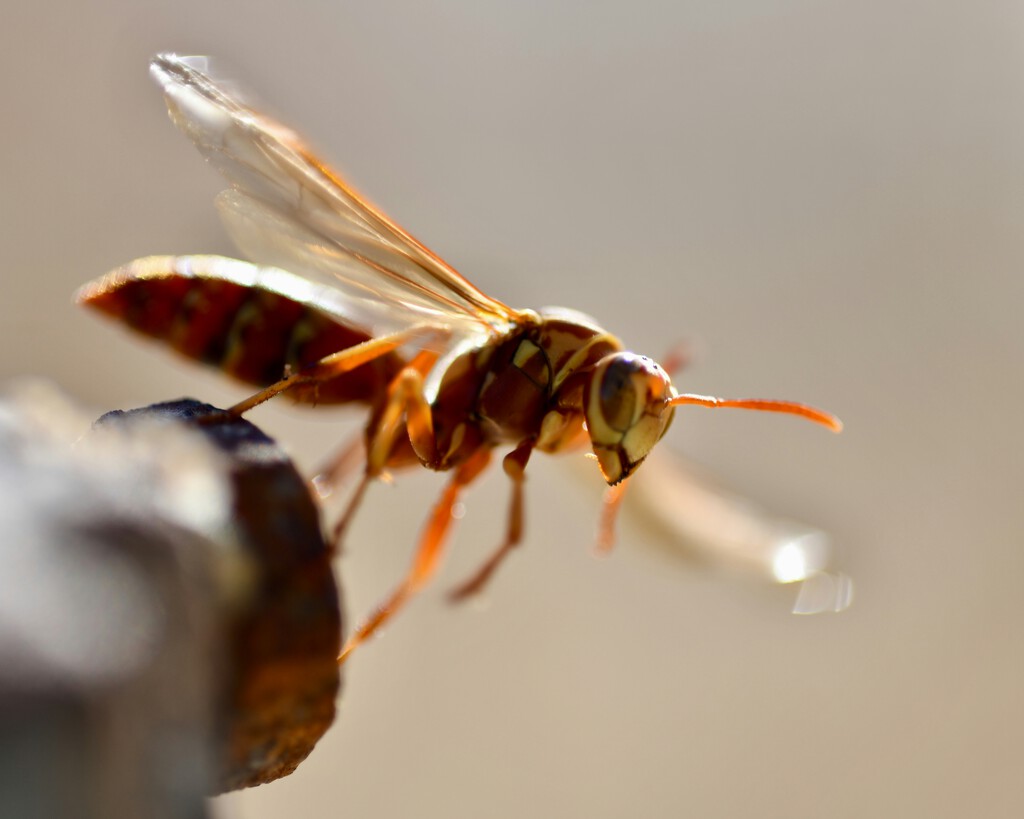
The U.S. Department of Energy (DOE) released a report detailing the finding, which prompted media coverage nationwide. Local authorities were quick to assure the public that there was no immediate risk to human health, but the incident raised questions about environmental contamination and oversight at nuclear facilities.
Why Are Wasps Radioactive?
Wasps can become radioactive if they build nests in areas where radioactive materials are present. They may collect contaminated soil or plant material, or come into contact with radioactive dust. In this case, the nest was near a waste tank, suggesting that radioactive particles may have escaped into the surrounding environment.
This is not the first time animals have been affected by radiation at nuclear sites. Historically, wildlife at Chernobyl and Fukushima has shown elevated radiation levels, but such findings at U.S. facilities are rare and closely monitored.
The Savannah River Site: A Brief History
The Savannah River Site (SRS) is a 310-square-mile facility located along the Savannah River, near Aiken, South Carolina. It was established in the early 1950s to produce plutonium and tritium for nuclear weapons during the Cold War. Today, the site's primary mission is environmental cleanup and waste management.
SRS houses millions of gallons of radioactive waste in underground tanks, some of which date back to the 1950s. The site has faced criticism over the years for delays in waste treatment and potential environmental hazards. The discovery of radioactive wasps underscores the challenges of containing radioactive materials.
Why This Matters: Risks and Regulations
The finding of radioactive wasps is significant because it indicates that radioactive contamination may be spreading beyond containment areas. While the immediate risk to humans is low—wasps are not a primary pathway for radiation exposure—the presence of radioactive materials in the environment raises concerns about long-term ecological and health impacts.
Regulatory limits for radiation are set to protect public health. The nest's radiation level being ten times higher than allowed suggests a breach of containment or inadequate cleanup. This could lead to stricter regulations and increased monitoring at SRS and other nuclear sites.
- Public reassurance: Authorities insist there is no danger, but trust in nuclear facilities is fragile.
- Environmental monitoring: The incident highlights the need for more thorough wildlife and soil testing.
- Waste management: Aging infrastructure at SRS may be prone to leaks or contamination.
- Regulatory oversight: The DOE and EPA may face pressure to tighten rules and increase inspections.
What the Experts Say
Nuclear experts point out that radioactive wasps are more of a symptom than a direct threat. The real issue is the potential for radioactive materials to migrate through soil, water, or air. If wasps can become contaminated, other insects and small animals might too, potentially entering the food chain.
However, the levels found, while above regulatory limits, are still relatively low in absolute terms. The wasps themselves are unlikely to cause harm to humans unless handled. The bigger concern is what their contamination reveals about the integrity of waste storage at SRS.
Comparison of Radiation Levels
To put the wasp nest radiation into perspective, here is a comparison of typical radiation exposure scenarios:
| Source | Radiation Level (relative) | Regulatory Limit |
|---|---|---|
| Wasp nest at SRS | 10x above limit | Exceeds allowed level |
| Natural background radiation | 1x (baseline) | Within safe range |
| Typical nuclear worker annual dose | Up to 50 mSv | Regulated limit |
| Public annual dose limit | 1 mSv | Regulatory standard |
Note: The table is illustrative; actual radiation levels from the wasp nest were not specified in the report. The longer history behind the story is traced in Radioactive Wasps Found at Savannah River Site: What It Means.
What to Watch Next
The DOE and South Carolina authorities will likely conduct further investigations to determine how the wasps became radioactive and whether other areas are affected. Cleanup efforts at SRS may be accelerated, and additional monitoring could be implemented. The background to this story is set out in Nuclear Waste Storage in Spain: Why One Town Said. A related thread runs through Wasp Nest Art: A Masterpiece of Nature's Architecture. Earlier coverage in Wasp Nest in a Rental Apartment: Who Pays for Removal? shows how the argument developed.
For local residents, the risk remains low, but staying informed is key. The incident serves as a reminder of the legacy of nuclear weapons production and the ongoing challenges of managing radioactive waste. A closer look at the same subject appears in Wasp Nest Removal: Safe & Effective Post-Vacation Tips. Anyone following the wider picture can start with Wasp & Hornet Nest Removal: Safe & Effective Control Guide. The same theme surfaces in Wasp Nest Boom After Vacation: Safe Removal & Prevention Guide, which takes a different angle.
As nuclear facilities age, incidents like this may become more common, underscoring the need for robust oversight and transparency. Context on how this played out before sits in Nature Reserve Manager Coexists with Giant Wasp Nest in Office. A companion piece, Documentary Exposes Fight to Save Indigenous Land from Nuclear Waste, approaches the same subject from another angle.
FAQ
Are radioactive wasps dangerous to humans?
Radioactive wasps are not directly dangerous to humans unless handled or ingested. The radiation levels, while above regulatory limits, are still relatively low. The main concern is the potential spread of contamination in the environment.
How did the wasps become radioactive?
Wasps can become radioactive by building nests in areas with radioactive materials, such as near waste tanks. They may collect contaminated soil or materials, or come into contact with radioactive dust.
What is the Savannah River Site?
The Savannah River Site is a former nuclear weapons facility in South Carolina that now focuses on environmental cleanup and waste management. It covers 310 square miles and stores millions of gallons of radioactive waste.
Is there a risk to the public from this incident?
Authorities have stated there is no immediate risk to the public. However, the incident highlights the need for continued monitoring and transparency to ensure safety.
Browse the Shop
 Acacia frida deluxe solid wood bed frame |
Bedroom bench |
Bed chest drawers |
Lingerie dresser |
Frame base |
Mirror with jewelry storage |
30 Bathroom Vanity |
Memory foam queen mattress |
Mattresses for back pain |
Nightstand set of 2 |
Grand Goldman Shop |
Civil Lawyer
Deutschland Trikot WM 2026







