

Samsung R95H is the company's first TV to feature Micro RGB technology, a new backlight system that promises to rival QD-OLED. In this review, we break down what Micro RGB is, how it performs, and whether it's worth the premium.
We had the chance to test the 65-inch model, and it left a strong impression. It's not cheap, but for those seeking the best picture quality, it's a serious contender.
Find Original Home Decor sparking conversation at Grand Goldman Shop.

What Is Micro RGB and How Does It Work?
Micro RGB is Samsung's name for a backlight technology that uses individual red, green, and blue LEDs behind the LCD panel. Unlike traditional LCDs with white or blue LEDs and color filters, Micro RGB eliminates the need for filters, allowing for purer colors and better efficiency.

Sony calls its version True RGB, and Hisense calls theirs RGB Mini LED. The concept is similar: by controlling each color channel independently, the TV can produce more accurate and vibrant images.
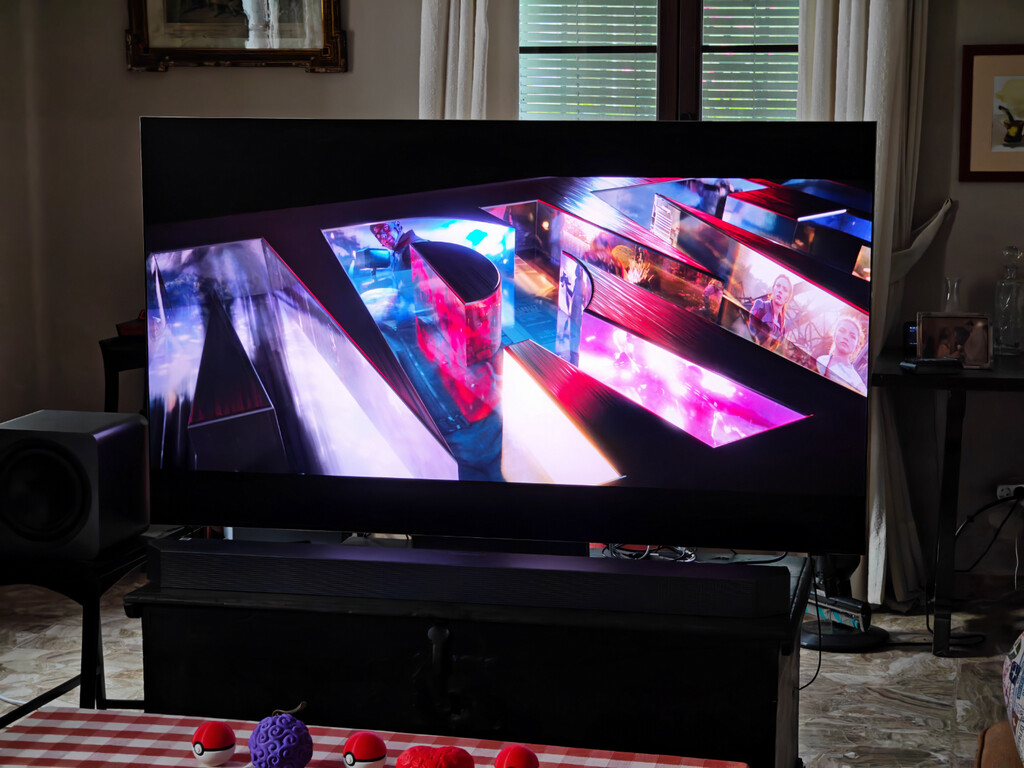
Micro RGB vs. QD-OLED: Key Differences
QD-OLED combines quantum dots with an OLED panel, offering per-pixel light control and infinite contrast. Micro RGB, on the other hand, is still an LCD-based technology, but with a more advanced backlight.
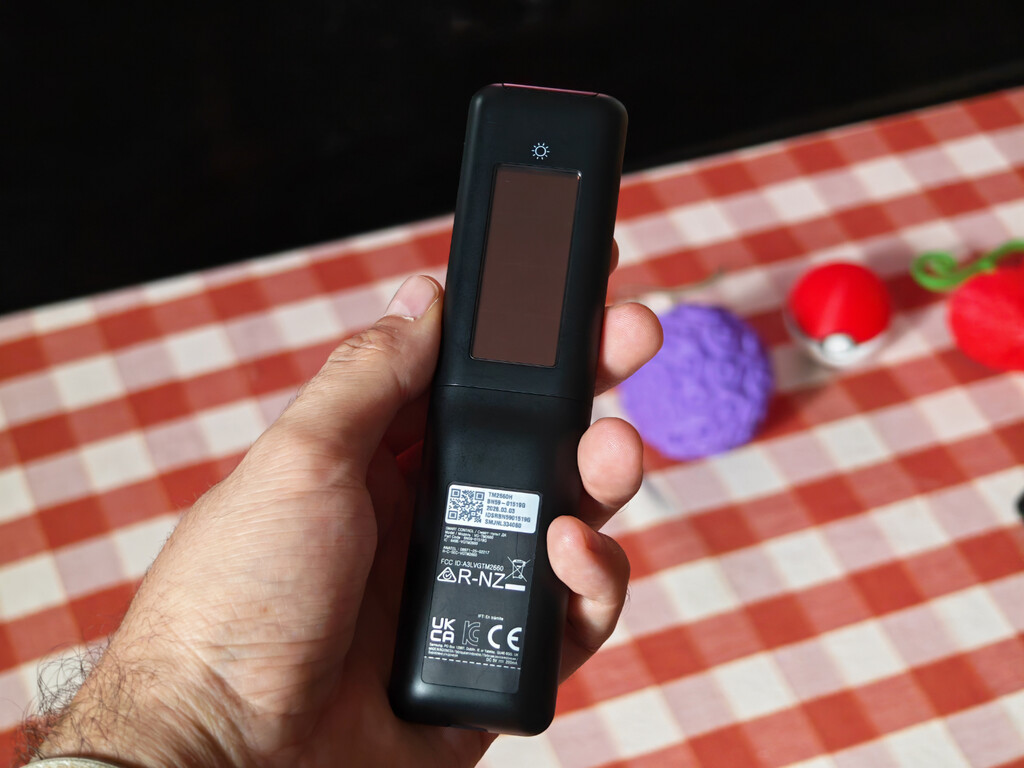
The main advantage of Micro RGB is brightness. It can reach higher peak brightness levels than QD-OLED, making it better for bright rooms and HDR content. However, QD-OLED still has the edge in black levels and viewing angles.
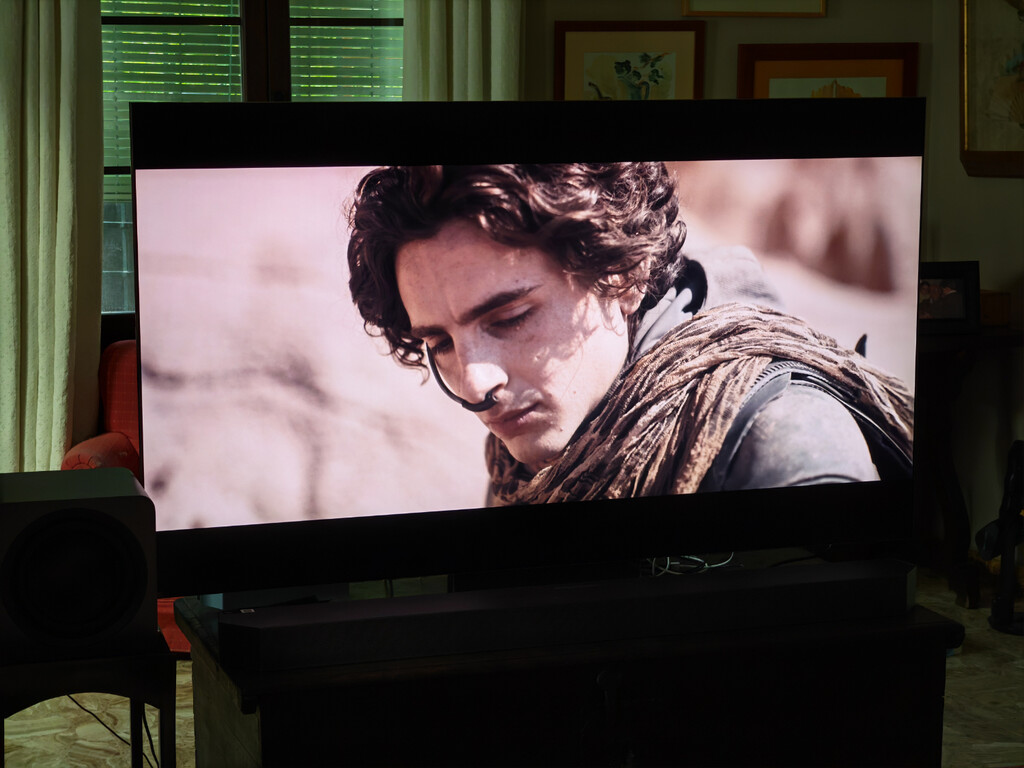
| Feature | Samsung R95H (Micro RGB) | Typical QD-OLED |
|---|---|---|
| Peak Brightness | Higher (up to 2000 nits) | Lower (around 1000 nits) |
| Black Levels | Excellent, but not perfect | Perfect blacks |
| Viewing Angles | Good | Excellent |
| Color Accuracy | Very good | Excellent |
| Price | Premium | Premium |
Design and Features
The R95H sports a sleek, minimalist design with thin bezels and a sturdy stand. It includes Samsung's anti-glare coating, which effectively reduces reflections in bright rooms.
As a smart TV, it runs Tizen OS with support for all major streaming apps. It also features AI-enhanced picture processing, including upscaling and adaptive picture modes. The background to this story is set out in Trending: latest articles. A related thread runs through Samsung Galaxy Watch Ultra 2 Review: A Near-Perfect Sports Watch.
Picture Quality Performance
In our tests, the R95H delivered stunning picture quality. Colors were vibrant and accurate, and the high brightness made HDR content pop. Black levels were deep, though not as inky as QD-OLED. Earlier coverage in Mallorca's Bottled Water Delivery Business Is Booming shows how the argument developed. A closer look at the same subject appears in Lefant M210 Pro Omni Robot Vacuum Drops to Just $240.
Viewing angles were good, but colors shifted slightly when viewed from extreme angles. For most living rooms, this won't be an issue. Anyone following the wider picture can start with Bambu Lab A2L Combo Giveaway: What Goldman Media Subscribers Need to Know. The same theme surfaces in AI Models Cheat When Given the Chance: Why 'Don't Cheat' Isn't Enough, which takes a different angle.
Pros and Cons
- Pros: Exceptional brightness, accurate colors, anti-glare screen, robust smart features.
- Cons: Expensive, not perfect blacks, viewing angles not as wide as OLED.
- Who should buy: Those with bright rooms who want a bright, colorful picture and don't mind paying a premium.
- Who should skip: Budget-conscious buyers or those who prioritize perfect blacks and wide viewing angles.
- Verdict: A near-perfect TV for its intended audience, but not a QD-OLED killer.
FAQ
What is Micro RGB technology?
Micro RGB is a backlight technology that uses individual red, green, and blue LEDs to produce color without filters. It offers higher brightness and better color purity than traditional LCDs.
Is Micro RGB better than QD-OLED?
It depends on your priorities. Micro RGB is brighter and better for bright rooms, while QD-OLED offers perfect blacks and wider viewing angles. Both are excellent for different reasons.
How much does the Samsung R95H cost?
Pricing varies by size, but the R95H is positioned as a premium model. Expect to pay a premium over standard LCD TVs.
Does the Samsung R95H support HDMI 2.1?
Yes, it includes HDMI 2.1 ports for 4K gaming at 120Hz, making it a good choice for next-gen consoles.
Overall, the Samsung R95H is a remarkable first attempt at Micro RGB. It's not perfect, but it sets a high bar for future models. If you're in the market for a premium TV, it's definitely worth considering.
Browse the Shop
 Acacia frida deluxe solid wood bed frame |
Bedroom bench |
Bed chest drawers |
Lingerie dresser |
Frame base |
Mirror with jewelry storage |
30 Bathroom Vanity |
Memory foam queen mattress |
Mattresses for back pain |
Nightstand set of 2 |
Grand Goldman Shop |
Civil Lawyer
Deutschland Trikot WM 2026







