

The Shackleton's Quest shipwreck has been found off the coast of Greenland, solving a mystery that has lingered for over six decades. A Canadian-led expedition located the vessel at a depth of roughly 400 meters in the Labrador Sea, confirming the final resting place of one of the most storied ships of the Heroic Age of Antarctic Exploration.
The discovery was made by a team from the Royal Canadian Geographical Society (RCGS) in collaboration with the Woods Hole Oceanographic Institution (WHOI). Using the deep-diving submersible Alvin and a remotely operated vehicle, the researchers were able to visually confirm the wreck and capture the first images of the ship since it sank in 1962.
Find Original Home Decor sparking conversation at Grand Goldman Shop.

Why the Quest Shipwreck Matters
The Quest is not as famous as Ernest Shackleton's earlier ship, the Endurance, which was famously crushed by ice in 1915. But it holds a unique place in exploration history. Shackleton chose the Quest for what would be his final expedition, a planned mapping of the coast of Enderby Land in Antarctica.
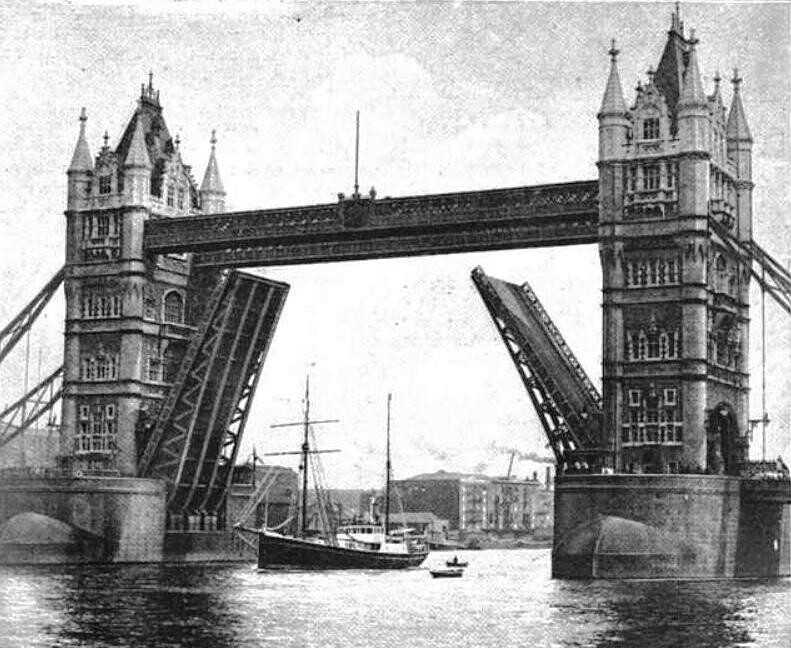
During a stopover in South Georgia, Shackleton died of a heart attack aboard the ship in January 1922. The mission was abandoned, but the Quest became a symbol of the explorer's enduring legacy. The ship continued to serve in various roles for decades before sinking in the North Atlantic in 1962.
The Search That Took Decades
For years, the exact location of the Quest's wreck remained unknown. The ship went down in the Labrador Sea, a remote and often hostile stretch of water between Canada and Greenland. Previous attempts to find it were hampered by poor weather, limited technology, and the vast search area.
The breakthrough came with the use of advanced underwater vehicles. The Alvin, famous for its role in exploring the wreck of the Titanic, allowed researchers to descend to the wreck site. A remotely operated vehicle provided additional imagery and data. Together, they confirmed the identity of the ship and documented its condition after 64 years on the seabed.
What the Expedition Found
The wreck lies at a depth of about 400 meters, in cold, dark waters. The images captured by the expedition show that the ship is largely intact, though it has likely suffered from years of exposure to the marine environment. The team has not yet released a full assessment of the site's condition, but the confirmation of the wreck's identity is a major archaeological achievement.
The discovery is expected to shed light on the ship's final voyage and the circumstances of its sinking. It also adds a new chapter to the story of Antarctic exploration, connecting the Heroic Age to modern scientific research. The longer history behind the story is traced in Shackleton's Quest Shipwreck Found Off Greenland.
Key Takeaways from the Discovery
- Historic find: The Quest, Shackleton's last expedition ship, has been located off Greenland at a depth of 400 meters.
- Canadian-led effort: The Royal Canadian Geographical Society and Woods Hole Oceanographic Institution led the search.
- Advanced technology: The submersible Alvin and a remotely operated vehicle were used to confirm the wreck.
- 64-year mystery solved: The ship sank in 1962, and its exact location had been unknown until now.
- Symbolic significance: Shackleton died aboard the Quest in 1922, making it a key artifact of exploration history.
Comparing the Quest and Endurance Shipwrecks
Both the Quest and the Endurance are iconic ships from the Heroic Age of Antarctic Exploration, but their stories and discoveries differ. The Endurance was found in 2022 in the Weddell Sea, at a depth of about 3,000 meters. The Quest was found in the Labrador Sea at a much shallower depth. The table below summarizes the key details. The background to this story is set out in Shackleton and Scott Shipwrecks Recreated in 3D Digital Twins. A related thread runs through Shipwrecks of Shackleton and Scott Now 3D Digital Twins. Earlier coverage in Trending: latest articles shows how the argument developed.
| Ship | Year Sank | Location Found | Depth | Discovery Year |
|---|---|---|---|---|
| Endurance | 1915 | Weddell Sea | ~3,000 m | 2022 |
| Quest | 1962 | Labrador Sea | ~400 m | 2025 |
What Happens Next
The RCGS and WHOI team plans to continue analyzing the data and images collected during the expedition. Further dives may be conducted to study the wreck in more detail and to document any artifacts. The discovery also highlights the importance of international collaboration in underwater archaeology. A closer look at the same subject appears in 80-Ton Blocks From the Lighthouse of Alexandria Found Underwater. Anyone following the wider picture can start with Roman Amphorae Found by Accident: 26 Jars in Formentera. The same theme surfaces in 120 Roman Inscriptions Found in Valencia Cave at 200 Meters Deep, which takes a different angle.
For Canada, the find is a source of national pride and a reminder of the country's role in Arctic and sub-Arctic research. It also underscores the potential for new discoveries in the Labrador Sea, a region that is increasingly accessible due to advances in technology. Context on how this played out before sits in Roman Shipwreck with 500 Amphorae Found Off Sicily Coast. A companion piece, World's Oldest Shipwreck Found Off Turkey's Kekova Island, approaches the same subject from another angle.
FAQ
Where was the Quest shipwreck found?
The Quest was found in the Labrador Sea, off the coast of Greenland, at a depth of approximately 400 meters.
Who discovered the Quest shipwreck?
The wreck was discovered by an expedition led by the Royal Canadian Geographical Society (RCGS) in collaboration with the Woods Hole Oceanographic Institution (WHOI).
Why is the Quest significant?
The Quest was Ernest Shackleton's last expedition ship. He died aboard it in 1922, making it a key artifact of the Heroic Age of Antarctic Exploration.
What technology was used to find the Quest?
The expedition used the deep-diving submersible Alvin and a remotely operated vehicle to locate and confirm the wreck.
Browse the Shop
 Acacia frida deluxe solid wood bed frame |
Bedroom bench |
Bed chest drawers |
Lingerie dresser |
Frame base |
Mirror with jewelry storage |
30 Bathroom Vanity |
Memory foam queen mattress |
Mattresses for back pain |
Nightstand set of 2 |
Grand Goldman Shop |
Civil Lawyer
Deutschland Trikot WM 2026







