

Spain and Portugal's olive oil industry is facing an unprecedented shakeout: a new study predicts that 27% of the Iberian Peninsula's olive mills (almazaras) will disappear within the next decade. The research, conducted by the International University of Andalusia (UNIA) and Grupo Oleíca Jaén, warns that 603 mills—the vast majority in Spain—could close or be absorbed due to lack of competitiveness.
The forecast, set to be published this month, updates a previous estimate from last year that projected 500 closures. The revised figure reflects a worsening outlook for the sector, which is grappling with rising costs and insufficient growth in olive harvest volumes.
Find Original Home Decor sparking conversation at Grand Goldman Shop.

Why Are Olive Mills Disappearing?
At the heart of the crisis is a simple economic imbalance: while olive harvests are increasing in volume, they are not growing fast enough to offset rising production costs. According to the researchers, this gap will drive many small and medium-sized mills out of business.
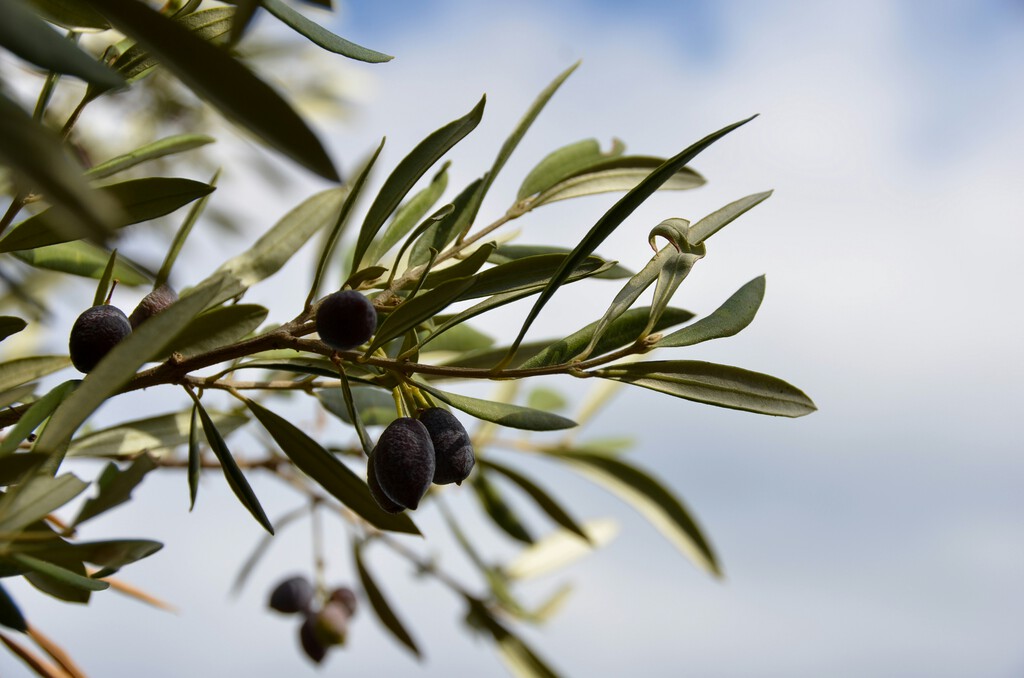
The study describes a future of industrial "cannibalization" and "natural selection" within the sector. In other words, larger, more efficient operations will absorb smaller ones, leaving fewer players in the market.
The Cost-Volume Squeeze
Olive oil production is capital-intensive, and many mills operate on thin margins. When costs rise—whether due to energy, labor, or regulatory compliance—mills need higher volumes to stay profitable. But volume growth has been modest, leaving many facilities unable to keep up.
The researchers point out that the current campaign, despite higher yields, is not enough to cover the cost evolution. This persistent squeeze is what will force closures.
What the Numbers Say
The projected 603 closures represent nearly a third of all operational mills in Spain and Portugal. Spain, as the world's largest olive oil producer, will bear the brunt of these losses.
Here's a quick breakdown of the key figures from the study:
| Metric | Previous Forecast (Last Year) | Current Forecast (This Month) |
|---|---|---|
| Number of mills to close | 500 | 603 |
| Percentage of total mills | ~22% | 27% |
| Main cause | Lack of competitiveness | Lack of competitiveness |
The upward revision from 500 to 603 underscores the accelerating pressure on the sector.
Who Will Be Affected?
The closures will hit small, traditional mills hardest. These operations often lack the scale to invest in modern technology or to negotiate better prices for their oil. In contrast, larger cooperatives and industrial mills are better positioned to survive. The longer history behind the story is traced in 500-Year-Old Olive Tree Moved: 6,000 kg Relocation Feat.
Rural communities that depend on olive farming will feel the impact. Many of these mills are family-run and serve as economic anchors in their regions. Their disappearance could lead to job losses and reduced local investment. The background to this story is set out in Spain May Trigger Olive Oil Withdrawal to Stop Price Collapse. A related thread runs through Spain's Tariff Loophole: 76% of Tunisian Olive Oil Enters Duty-Free. Earlier coverage in Olive Oil Price Rise Expected as European Crops Suffer Heat shows how the argument developed.
What to Watch Next
The study's authors suggest that the sector is entering a phase of consolidation. Policymakers and industry stakeholders will need to address the structural issues driving the closures, such as access to financing and support for small producers. A closer look at the same subject appears in Fraudulent Research Paper Mills Exposed: Pay-to-Publish Science Scam. Anyone following the wider picture can start with Ronaldo's Portugal Break: A Sad, Fitting, Long Overdue Exit. The same theme surfaces in Microsnobbery Trends: Why Your Olive Oil Story Matters, which takes a different angle.
For now, the message is clear: the Iberian olive oil map is set to change dramatically, with nearly one in three mills at risk of vanishing by the next decade. Context on how this played out before sits in Microsnobbery in Food Trends: Why Olive Oil Status Matters. A companion piece, Olive Oil Price Rise Expected as Europe Crops Suffer Heat, approaches the same subject from another angle.
Key Takeaways
- 27% of olive mills in Spain and Portugal could close within the next decade, according to a new study.
- The forecast has been revised upward from 500 to 603 closures due to worsening competitiveness.
- Rising costs and insufficient volume growth are the main drivers of the crisis.
- Small, traditional mills are most vulnerable; larger operations may absorb them.
- Rural communities dependent on olive farming face economic disruption.
FAQ
Why are olive mills closing in Spain and Portugal?
Olive mills are closing primarily because of a cost-volume squeeze. While harvest volumes are increasing, they are not growing fast enough to cover rising production costs, making many mills uncompetitive. The study cites "lack of competitiveness" as the main reason.
How many olive mills will disappear?
The study estimates that 603 mills will close or be integrated into larger operations, representing 27% of all operational mills in the Iberian Peninsula. This is an increase from last year's forecast of 500 closures.
Which regions will be most affected?
Spain will be the most affected, as it has the largest number of olive mills. Rural areas that rely on olive farming for employment and income will face the greatest economic impact.
What does this mean for olive oil prices?
The study does not directly address prices, but consolidation could lead to a more concentrated market. In the long run, this might affect supply dynamics and pricing, though other factors like weather and global demand also play significant roles.
Browse the Shop
 Acacia frida deluxe solid wood bed frame |
Bedroom bench |
Bed chest drawers |
Lingerie dresser |
Frame base |
Mirror with jewelry storage |
30 Bathroom Vanity |
Memory foam queen mattress |
Mattresses for back pain |
Nightstand set of 2 |
Grand Goldman Shop |
Civil Lawyer
Deutschland Trikot WM 2026







