

Spain's housing crisis is intensifying as demand for new homes far outpaces construction, particularly in sought-after areas like Madrid. With 98% of developable land already built upon, the Basque Country is pioneering a novel solution: constructing new apartments on top of existing buildings.
The Housing Shortage in Spain
Spain is creating new households much faster than it is building homes, threatening to worsen the residential deficit and the housing crisis. The problem is especially acute in Madrid, where developers warn that the gap is growing. The question is: where can we build? How do we break out of this vicious cycle in areas like Madrid, where almost all urbanizable land is already developed? And how can we do it without endless bureaucracy?
Find Original Home Decor sparking conversation at Grand Goldman Shop.

The Basque Country's Innovative Approach
The Basque Country, like many regions in Spain, wants to improve its housing supply. But it faces the same dilemma: where to build? In October, the Basque government presented its solution: adding new apartments on top of existing buildings. Specifically, the plan aims to create 2,000 homes in 65 already-built structures—blocks with flat roofs that can accommodate two setback floors "without major problems."
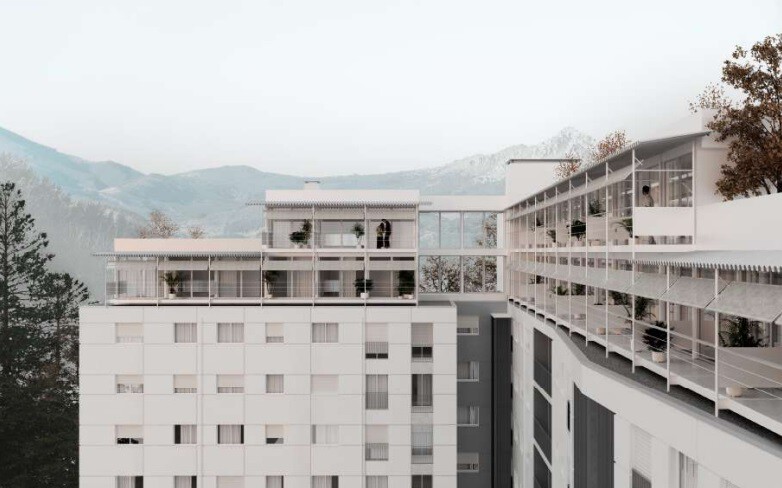
Not Just Any Housing
The Basque initiative has important nuances. The goal is not just to build housing at random. The 65 buildings targeted by the government are public properties, part of its housing stock. This means the project can proceed without the complications of private ownership and can be aligned with social housing objectives.
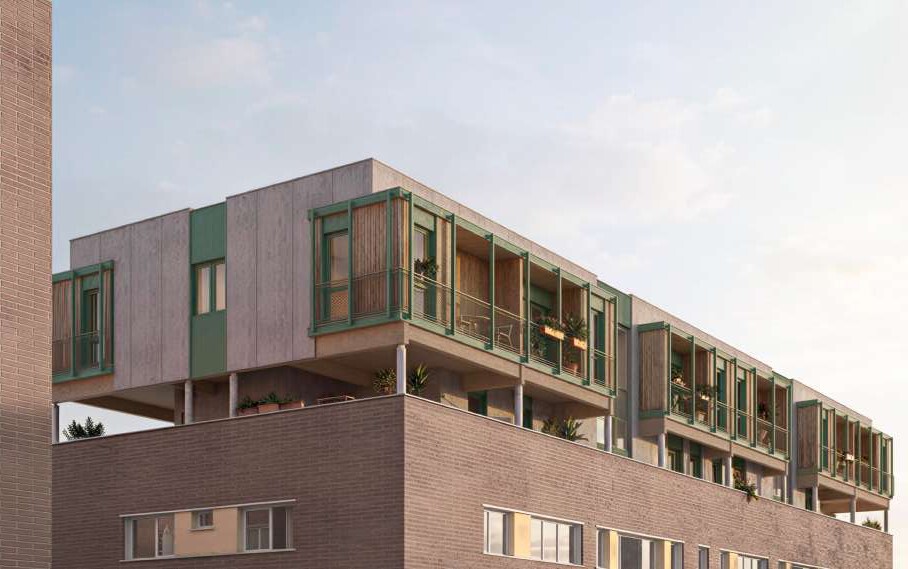
- 2,000 new homes planned in the Basque Country.
- 65 existing public buildings identified for vertical expansion.
- Two setback floors can be added to flat-roofed structures.
- Public land use avoids private negotiation hurdles.
- Fast-track solution to increase housing supply without new land.
Challenges and Considerations
While the idea is promising, it comes with challenges. Structural assessments are needed to ensure buildings can support additional floors. Zoning regulations may need adjustments. And community acceptance is crucial, as existing residents may have concerns about construction noise and changes to their neighborhoods. The background to this story is set out in Spain's Housing Crisis: Construction Costs Slow Building. A related thread runs through Spain Housing Crisis: Inside the Growing Tent Camp Protest. Earlier coverage in Madrid's Illegal Housing Developments: 184 Urbanizations in Limbo shows how the argument developed.

Comparison with Other Solutions
Building up is just one approach to Spain's housing crisis. Other strategies include converting commercial properties into residential units, developing peripheral land, and implementing rent controls. Each has its own trade-offs. A closer look at the same subject appears in Spain's 200km Commute: Madrid and Barcelona Housing Crisis. Anyone following the wider picture can start with Spain Housing Crisis: Tens of Thousands Protest in Madrid. The same theme surfaces in Spain Housing Crisis: Activists Pin Hopes on Snap Election, which takes a different angle.
| Solution | Advantages | Challenges |
|---|---|---|
| Vertical expansion | Uses existing infrastructure; faster approvals on public land | Structural assessments; community acceptance |
| Commercial conversion | Revitalizes urban centers | Zoning changes; high renovation costs |
| Peripheral development | More space; lower land costs | Requires infrastructure; longer commutes |
| Rent controls | Immediate relief for tenants | May discourage new construction |
What This Means for the Housing Market
The Basque project could serve as a model for other regions facing similar constraints. If successful, it could demonstrate that vertical expansion is a viable way to increase density without sprawling into undeveloped land. However, scaling this approach will require careful planning and investment. Context on how this played out before sits in Where holiday apartments are particularly cheap at Easter. A companion piece, Anthropic Blocks Claude from Cloning Existing Video Games, approaches the same subject from another angle.
FAQ
What is the Basque Country's plan to build on top of existing buildings?
The plan aims to add two setback floors to 65 public buildings with flat roofs, creating 2,000 new homes. It targets public housing stock to avoid private ownership complications.
Why is Spain facing a housing shortage?
Spain is creating households faster than it is building homes, especially in cities like Madrid where developable land is scarce. This imbalance has led to a residential deficit and rising prices.
What are the challenges of vertical expansion?
Challenges include ensuring structural integrity, navigating zoning regulations, and gaining community acceptance. Construction can also disrupt existing residents.
Could this approach work in other Spanish cities?
Yes, if adapted to local conditions. Cities with many flat-roofed public buildings and limited land could benefit, but each project requires careful assessment and planning.
The Basque Country's vertical expansion project represents a creative response to a pressing problem. As Spain grapples with housing shortages, such innovative solutions will be essential to meet demand without sprawling further. The eyes of other regions will be watching closely to see if this approach can be replicated successfully.
Browse the Shop
 Acacia frida deluxe solid wood bed frame |
Bedroom bench |
Bed chest drawers |
Lingerie dresser |
Frame base |
Mirror with jewelry storage |
30 Bathroom Vanity |
Memory foam queen mattress |
Mattresses for back pain |
Nightstand set of 2 |
Grand Goldman Shop |
Civil Lawyer
Deutschland Trikot WM 2026







