

More than 80,000 hectares of crops in Spain are being irrigated with water extracted under clear indications of illegality, according to a new WWF investigation. The study, titled “Here Water Is Stolen,” reveals that six major aquifers are affected, with consequences that ripple across ecosystems, communities, and the economy.
WWF's Investigation: A Year and a Half of Research
WWF spent 18 months analyzing official data from 2023 and 2024 on plots with irrigation rights. The resulting report identifies six aquifers where illegal water use is rampant: Alto Guadiana (Ciudad Real), Almonte-Marismas (Huelva, which feeds Doñana), Los Arenales (Castilla y León), Baza (Granada), Campo de Cartagena (Murcia, near the Mar Menor), and a southeastern zone crossing Albacete, Alicante, and Almería.
Find Original, High-end Home Decor that spark conversation at Grand Goldman Shop.
The common thread is a shift from traditional dryland farming to highly intensive irrigated agriculture. “These are not isolated examples, but a sample of a much more widespread problem,” says Teresa Gil, WWF's water program manager, who describes an “extended and unpunished” environmental crime.
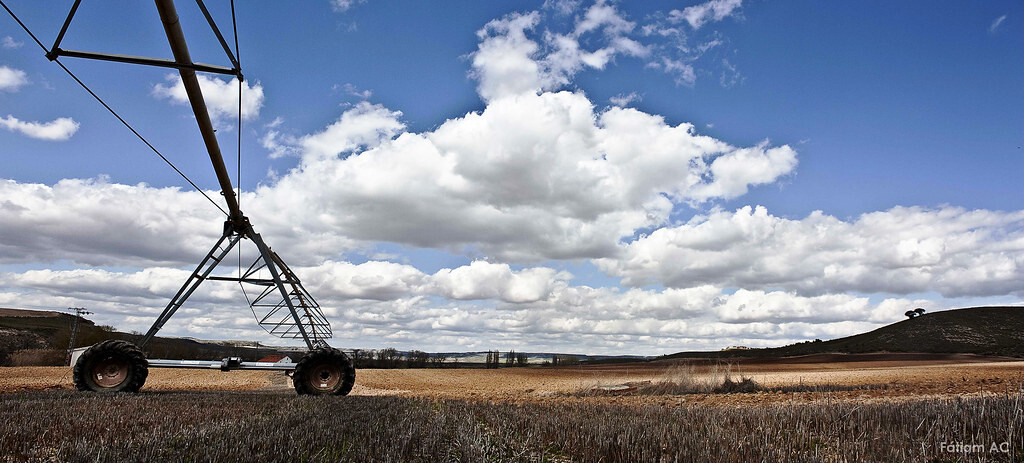
Hotspots of Illegal Irrigation Across Spain
The epicenter is in La Mancha. The Western Mancha aquifer, which should feed the Tablas de Daimiel wetlands, is the worst affected: over 39,000 hectares—22% of all irrigated land in the area—use water with clear signs of illegality. That's equivalent to about 69 cubic hectometers of water per year, according to the report.
Other critical areas include the Almonte-Marismas aquifer, whose illegal extraction directly threatens the fragile Doñana wetlands, a UNESCO World Heritage site. In the Campo de Cartagena, illegal irrigation contributes to pollution flowing into the Mar Menor lagoon, which has suffered from eutrophication in recent years.
Why This Matters: Environmental and Economic Consequences
Illegal water extraction depletes aquifers faster than they can recharge, leading to long-term water scarcity for legal users, including farmers who follow the rules. It also damages wetlands and biodiversity, as seen in Doñana and the Tablas de Daimiel.
Furthermore, the practice undermines fair competition: farmers who invest in efficient irrigation and comply with regulations are undercut by those who pump water illegally. The report emphasizes that the problem is systemic, not confined to a few rogue operators.
- Over 80,000 hectares of irrigated land show clear signs of illegal water use.
- Six major aquifers are affected, including those feeding Doñana and the Tablas de Daimiel.
- The Western Mancha aquifer is the worst hotspot, with 39,000 hectares under suspicion.
- Illegal extraction accelerates aquifer depletion and harms protected wetlands.
- Compliant farmers face unfair competition from those using stolen water.
Comparison of Affected Aquifers
| Aquifer | Location | Approximate Illegal Area (ha) | Key Environmental Impact |
|---|---|---|---|
| Western Mancha | Ciudad Real | 39,000 | Threatens Tablas de Daimiel wetlands |
| Almonte-Marismas | Huelva | Not specified | Feeds Doñana; risk to UNESCO site |
| Los Arenales | Castilla y León | Not specified | Aquifer overexploitation |
| Baza | Granada | Not specified | Local water scarcity |
| Campo de Cartagena | Murcia | Not specified | Pollution of Mar Menor lagoon |
| Southeast zone | Albacete, Alicante, Almería | Not specified | Pressure on water resources |
What Happens Next?
WWF calls for stronger enforcement and greater transparency in water rights. The report urges authorities to crack down on illegal extraction and to ensure that water management plans are based on accurate data. Without action, the problem is likely to worsen as climate change reduces available water. The background to this story is set out in Trending: latest articles.
The Spanish government has not yet responded publicly to the findings, but the report adds pressure on regional and national authorities to address a long-standing issue. For now, the “stolen water” continues to flow, with consequences that affect us all. A related thread runs through Invasive Species in Spain: Why the Guadalquivir Is a Hotspot. Earlier coverage in ASUS Zenbook 14: Premium Power and Battery Life at a Budget Price shows how the argument developed.
FAQ
What is the WWF report about?
The report, titled “Here Water Is Stolen,” is an 18-month investigation into illegal water use for irrigation in Spain. It found that over 80,000 hectares of crops are irrigated with water extracted under clear indications of illegality across six major aquifers.
Which areas are most affected by illegal irrigation?
The Western Mancha aquifer in Ciudad Real is the worst hotspot, with over 39,000 hectares under suspicion. Other affected areas include Almonte-Marismas (Huelva), Los Arenales (Castilla y León), Baza (Granada), Campo de Cartagena (Murcia), and a zone crossing Albacete, Alicante, and Almería.
Why is illegal irrigation a problem?
It depletes aquifers faster than they can recharge, damages protected wetlands like Doñana and the Tablas de Daimiel, and creates unfair competition for farmers who follow the rules. It also contributes to pollution, such as in the Mar Menor lagoon.
What solutions does WWF propose?
WWF calls for stronger enforcement of water regulations, greater transparency in water rights, and better data for water management plans. It urges authorities to crack down on illegal extraction and to ensure sustainable water use.
Browse the Shop
 Acacia frida deluxe solid wood bed frame |
Bedroom bench |
Bed chest drawers |
Lingerie dresser |
Frame base |
Mirror with jewelry storage |
30 Bathroom Vanity |
Memory foam queen mattress |
Mattresses for back pain |
Nightstand set of 2 |
Grand Goldman Shop |
Civil Lawyer
Deutschland Trikot WM 2026










