

In the Middle Ages, sleeping inside wooden box beds—essentially enclosed wooden cabinets with bedding—was a common practice across Europe. These box beds, also known as closed beds, provided warmth, privacy, and protection, and remained popular until the early 20th century. But why did such a practical piece of furniture fall out of favor? This article explores the history of box beds, their benefits, and the reasons behind their decline.
What Were Box Beds?
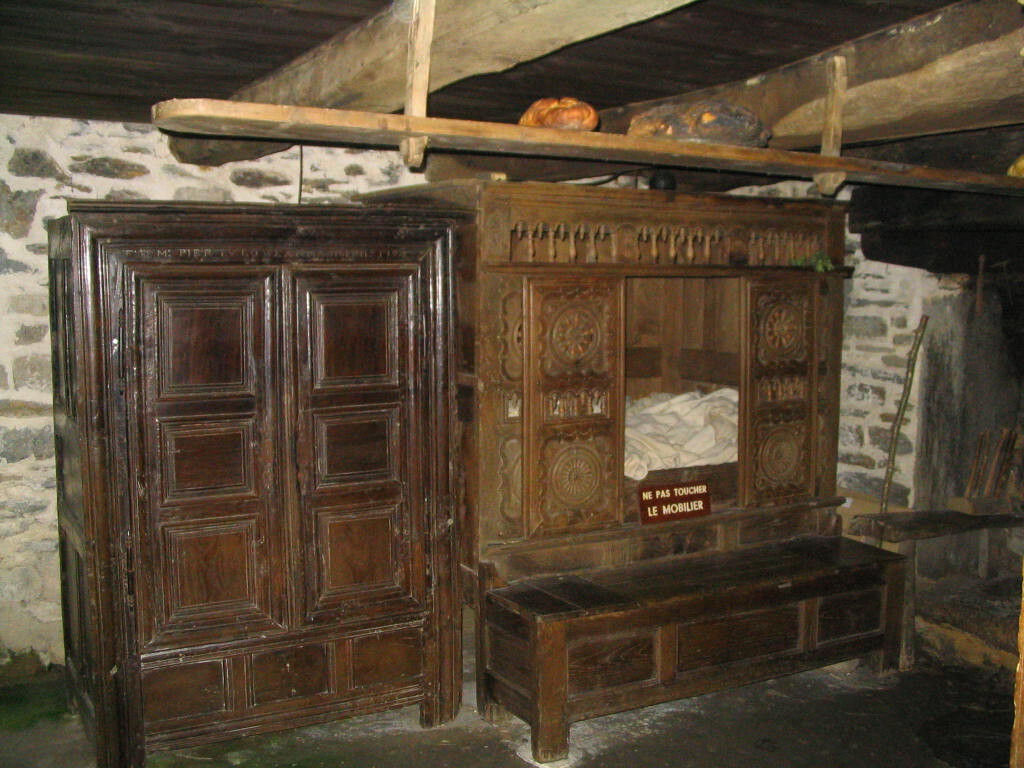
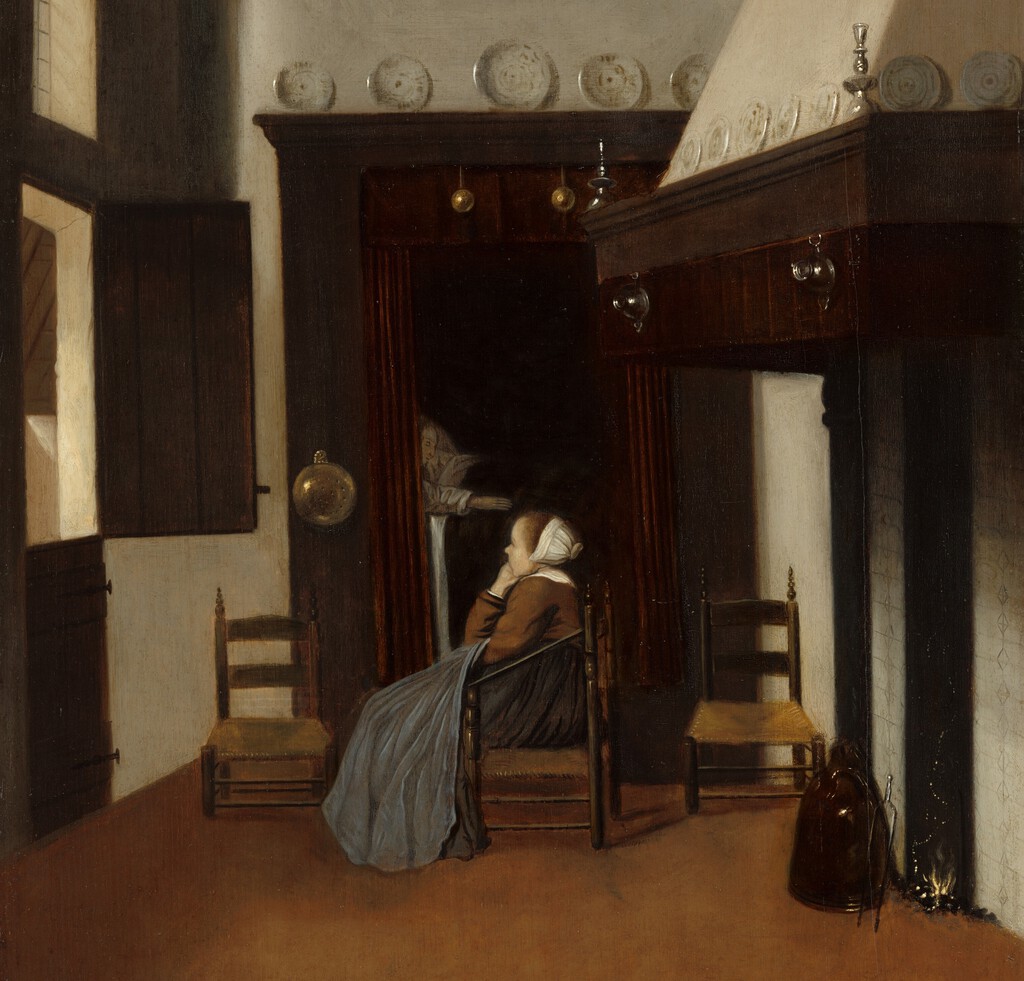
Box beds were wooden structures that resembled large cabinets or wardrobes, with a bed inside. They often had doors or curtains that could be closed, creating a small, enclosed sleeping space. The design varied, but the core idea was a bed-cabinet that offered insulation and security. These beds were particularly common in cold climates, where retaining body heat was essential.
Find Original Home Decor sparking conversation at Grand Goldman Shop.

According to historical accounts, box beds were used from the medieval period up to the early 1900s. They were especially prevalent in rural areas of Europe, including Scotland, Scandinavia, and parts of France and Germany. The names used for them, such as "box bed" or "closed bed," are quite descriptive of their function.
Why Were Box Beds So Popular?
There were several practical reasons why box beds became a staple in medieval homes. First and foremost, they provided exceptional warmth. In an era without central heating, the enclosed space helped trap body heat, making sleep more comfortable during cold winters. Additionally, the enclosed design offered privacy in crowded households where multiple family members shared a single room.
Another advantage was protection from drafts and insects. The wooden enclosure shielded sleepers from cold air and pests like mosquitoes and fleas. In some regions, box beds also served as a status symbol; more elaborate versions with carved decorations indicated wealth.
- Warmth: Enclosed space retained heat, crucial in unheated homes.
- Privacy: Provided personal space in shared living areas.
- Protection: Shielded from drafts, insects, and sometimes even rodents.
- Space-saving: Allowed for multi-purpose use of small rooms.
- Status: Ornate designs showcased the owner's wealth.
What Led to the Decline of Box Beds?
The decline of box beds can be attributed to several factors that emerged in the 19th and early 20th centuries. The most significant was the advent of central heating and improved home insulation. As houses became warmer, the need for an enclosed sleeping space diminished. People began to prefer open beds that allowed for better air circulation and a sense of openness.
Additionally, changing attitudes toward hygiene and health played a role. Enclosed spaces were sometimes seen as breeding grounds for dust and disease. The rise of modern medicine and germ theory made people more conscious of ventilation and cleanliness, leading to a preference for open, airy bedrooms. Furthermore, the industrial revolution made mass-produced metal and wooden beds more affordable and accessible, offering alternatives that were lighter and easier to move. Context on how this played out before sits in Why Medieval Box Beds Disappeared: The Closed Bed History.
Box Beds vs. Modern Beds: A Comparison
To understand the shift, let's compare the key features of traditional box beds with modern beds. The background to this story is set out in High Bed Frame (Bunk Beds) for Dogs!. A related thread runs through Trending: latest articles.
| Feature | Box Bed (Medieval to 19th Century) | Modern Bed (20th Century to Present) |
|---|---|---|
| Design | Enclosed wooden cabinet with doors/curtains | Open frame with mattress, often with headboard |
| Warmth | Excellent insulation from body heat | Relies on heating systems and bedding |
| Privacy | High, enclosed space | Limited, open design |
| Ventilation | Poor, often stuffy | Good, open to room air |
| Hygiene | Difficult to clean, prone to dust | Easy to clean and maintain |
| Space Efficiency | High, fits in small rooms | Requires more floor space |
Could Box Beds Make a Comeback?
Interestingly, some designers and enthusiasts are reconsidering the box bed concept for the 21st century. Modern versions might incorporate technology and contemporary aesthetics. For example, a high-tech enclosed bed could offer privacy, temperature control, and noise reduction in urban apartments. However, such designs would need to address the ventilation and hygiene concerns that contributed to the decline of traditional box beds. Earlier coverage in Medieval Spice Obsession: Why Banquet Food Was Inedible Today shows how the argument developed. A closer look at the same subject appears in Toilet Paper Orientation Settled by 1891 Patent.
While it's unlikely that box beds will return to mainstream use, they remain a fascinating example of how our sleeping habits have evolved with changes in technology and society. The history of box beds reminds us that even something as basic as sleep is shaped by cultural and environmental factors. Anyone following the wider picture can start with King Sancho I of León: The First Fad Diet in History. The same theme surfaces in Masters of the Universe Movie: Four Decades of Development Hell, which takes a different angle.
FAQ
What were box beds used for in medieval times?
Box beds were used primarily for warmth and privacy. In cold, unheated homes, the enclosed wooden structure helped retain body heat, and it provided a private space in crowded households.
Why did people stop using box beds?
The decline of box beds was driven by the advent of central heating, which made homes warmer, and changing attitudes toward hygiene and ventilation. Additionally, mass-produced beds became more affordable and practical.
Are box beds still used today?
Traditional box beds are no longer common, but some modern designs draw inspiration from the concept, offering enclosed sleeping spaces with contemporary features. However, they are not widely used.
Were box beds only for the poor?
No, box beds were used by various social classes. While simpler versions were common in rural homes, ornate box beds with carvings could be found in wealthier households as status symbols.
Browse the Shop
 Acacia frida deluxe solid wood bed frame |
Bedroom bench |
Bed chest drawers |
Lingerie dresser |
Frame base |
Mirror with jewelry storage |
30 Bathroom Vanity |
Memory foam queen mattress |
Mattresses for back pain |
Nightstand set of 2 |
Grand Goldman Shop |
Civil Lawyer
Deutschland Trikot WM 2026







