

OpenAI and Anthropic have both recently signaled that the breakneck pace of AI development may need to slow down to protect humanity. The message, echoed by industry leaders like Elon Musk, Demis Hassabis, and Sam Altman, sounds alarmist—but is it a genuine warning or a strategic smokescreen?
Over the past weekend, Dario Amodei, CEO of Anthropic, reignited the debate by suggesting that despite AI's enormous potential, it also poses enormous risks. He wasn't alone: Musk, Hassabis, and Altman have all joined the chorus urging caution. Yet, the timing raises eyebrows. Are these companies genuinely concerned about existential threats, or are they masking deeper issues?
Find Original, High-end Home Decor that spark conversation at Grand Goldman Shop.
The Warning: AI Development Could Outpace Control
The core argument is that AI systems are becoming extremely capable at record speed. According to some developers, we may soon lose the ability to respond and control them safely. This isn't the first time such warnings have surfaced. For months, both OpenAI and Anthropic have played a game of "we're releasing something so powerful it's dangerous."
Initially, these apocalyptic messages came from employees at various levels. In autumn 2025, the Statement of Superintelligence was signed by over 800 people, including engineers who spoke about the possibility of banning the development of superintelligence. The statement amplified concerns that unregulated AI could lead to catastrophic outcomes.
But the rhetoric has now escalated to the C-suite. When CEOs like Amodei and Altman warn about AI's dangers, it carries weight—and possibly other motives.
Why the Sudden Concern? The Business Reality
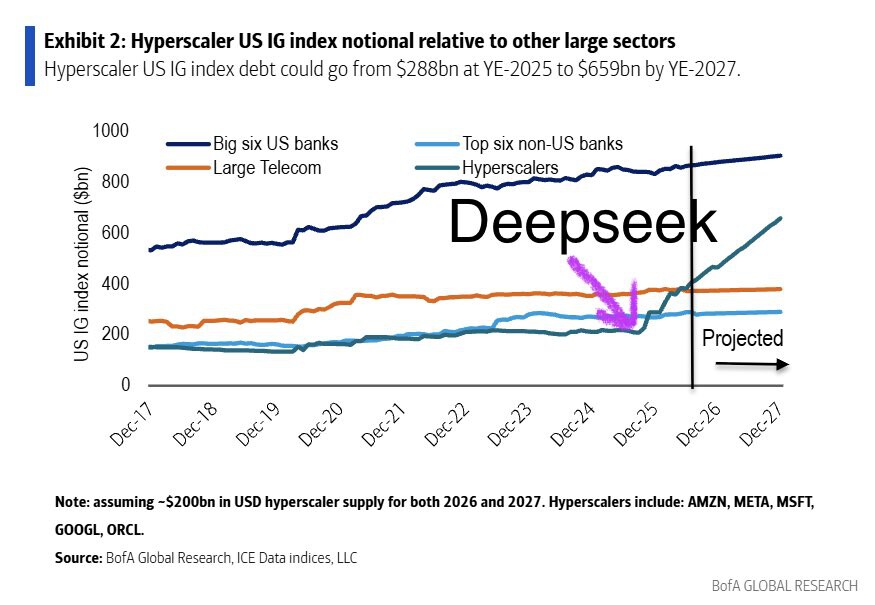
Private companies are spending vast sums on AI development, yet progress isn't matching their expectations. The gap between investment and results is widening, and that's where the smoke screen theory gains traction.
By framing the slowdown as a safety imperative, companies can manage investor expectations and regulatory scrutiny. If AI development hits a plateau, they can point to "responsible pacing" rather than technical limitations. This narrative also positions them as ethical leaders, potentially shaping future regulations in their favor.
Moreover, the call to pause development could be a way to consolidate power. If established players can influence policy to restrict newcomers, they maintain their dominance. The AI arms race isn't just about technology; it's about market control.
Key Takeaways
- Industry leaders are urging caution on AI development, citing existential risks.
- Timing raises suspicion: the warnings coincide with slowing progress and massive investments.
- Regulatory capture is a real possibility as companies shape AI policy.
- Public trust is at stake; repeated alarmist messages may desensitize the audience.
- Genuine safety concerns exist, but they may be entangled with business interests.
The Genuine Risks: What If They're Right?
It's important not to dismiss the warnings outright. AI systems are becoming more autonomous and capable, and the potential for misuse or accidents is real. From autonomous weapons to biased algorithms, the risks are well-documented.
However, the solution isn't necessarily to halt development. A more balanced approach involves robust regulation, transparency, and international cooperation. Pausing development unilaterally could simply cede leadership to less scrupulous actors.
The challenge is distinguishing between legitimate safety concerns and strategic maneuvering. The public and policymakers must demand clear evidence and transparent metrics for AI safety, rather than accepting vague warnings at face value. Anyone following the wider picture can start with OpenAI and Anthropic Want to Pause AI Development: Is It a Smoke Screen.
What to Watch Next
Several developments will reveal whether the pause push is genuine or a smokescreen. Watch for concrete policy proposals from OpenAI and Anthropic, such as support for licensing regimes or safety audits. Also, monitor their investment patterns: if they continue to pour billions into AI while advocating for a pause, the contradiction will be telling. The background to this story is set out in Business: latest articles. A related thread runs through AI Extinction Risk: Is a 10% Chance of Human Extinction Real.
Additionally, pay attention to how smaller AI firms react. If they cry foul, it may indicate that the pause is designed to entrench incumbents. Finally, track public opinion—if skepticism grows, the industry's credibility could suffer. Earlier coverage in Seville Horse Carriage Black Market: Nearly All Drivers Undocumented shows how the argument developed. A closer look at the same subject appears in Three Risk Factors to Avoid After 45 to Prevent Dementia.
| Company | Stated Position | Recent Actions | Potential Motive |
|---|---|---|---|
| OpenAI | Supports cautious development | Continued large-scale model releases | Shape regulation, manage expectations |
| Anthropic | Advocates for safety pauses | Heavy investment in R&D | Position as ethical leader |
| Others (Musk, Hassabis) | Call for moratorium | Mixed; some continue development | Publicity, competitive advantage |
FAQ
Are OpenAI and Anthropic genuinely concerned about AI risks?
They likely have genuine concerns, but those concerns are intertwined with business interests. The timing and repeated alarmist messaging suggest that safety rhetoric may also serve to manage investor expectations and influence regulation.
What is the Statement of Superintelligence?
The Statement of Superintelligence is a document signed by over 800 people in autumn 2025, including AI engineers, warning about the risks of developing superintelligence and calling for a potential ban.
Could pausing AI development actually make us safer?
A pause might allow time for safety research and regulation, but it could also cede leadership to less cautious actors. A more effective approach is international cooperation on safety standards rather than unilateral pauses.
How can the public tell if the pause push is a smokescreen?
Look for concrete actions: if companies continue massive investments while advocating for a pause, or if they push regulations that favor incumbents, it's likely a smokescreen. Transparency and consistent messaging are key indicators.
Browse the Shop
 Acacia frida deluxe solid wood bed frame |
Bedroom bench |
Bed chest drawers |
Lingerie dresser |
Frame base |
Mirror with jewelry storage |
30 Bathroom Vanity |
Memory foam queen mattress |
Mattresses for back pain |
Nightstand set of 2 |
Grand Goldman Shop |
Civil Lawyer
Deutschland Trikot WM 2026







