

Astronauts Butch Wilmore and Suni Williams returned to Earth visibly changed after an unexpected 286-day stay in space, far longer than their planned 8-10 day mission. Their extended exposure to microgravity highlights the profound effects of long-duration spaceflight on the human body.
What began as a short test flight of Boeing's Starliner turned into a nine-month ordeal when technical issues forced NASA to delay their return. The pair finally came home in a SpaceX Crew Dragon in March 2025, looking noticeably different from when they launched.
Find Original Home Decor sparking conversation at Grand Goldman Shop.

Why the Mission Extended from Days to Months
Wilmore and Williams launched in June 2024 aboard Starliner for what was supposed to be a brief stay at the International Space Station (ISS). However, problems with the spacecraft's propulsion system raised safety concerns, prompting NASA to keep them on the station longer than planned.
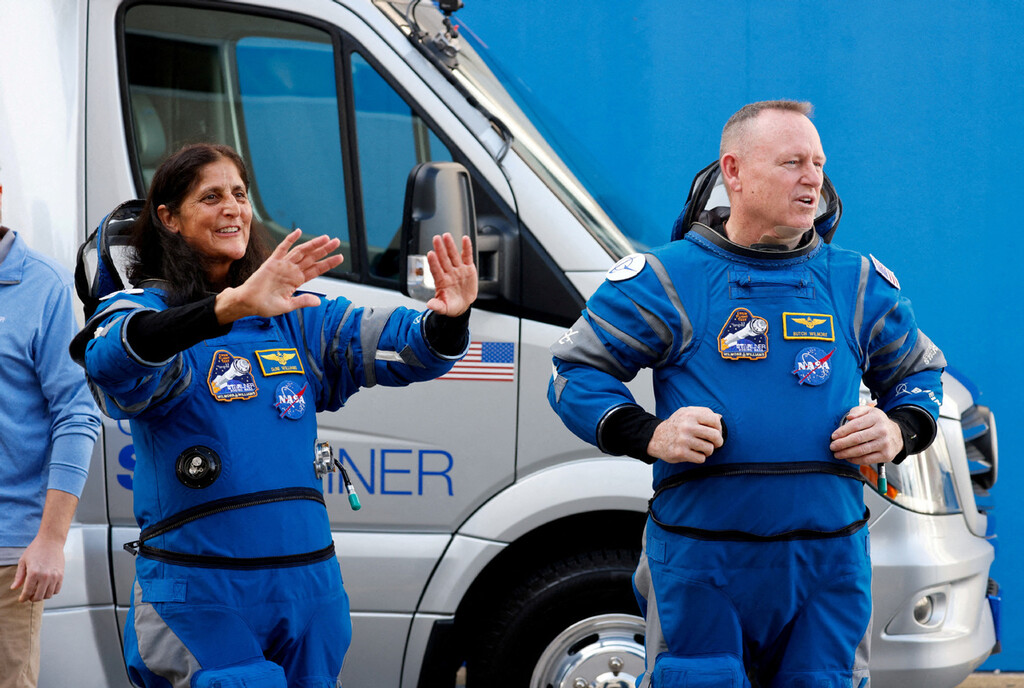
The delay was not due to any emergency aboard the ISS but rather a cautious approach to ensure a safe return. As weeks turned into months, the astronauts continued their work on the station while ground teams worked on a solution.
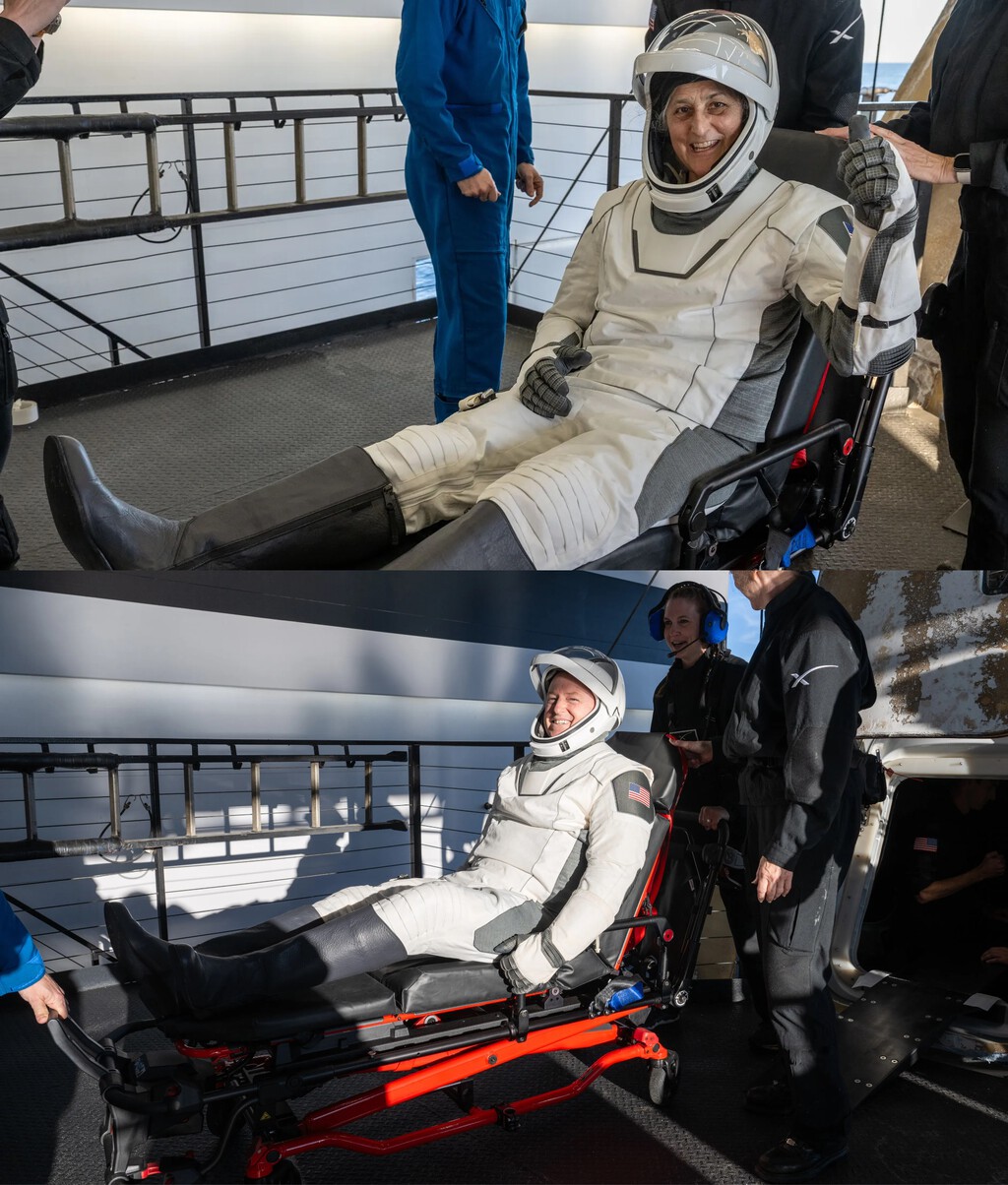
How Microgravity Affects the Human Body
Living in microgravity takes a toll on nearly every system in the body. Without gravity to work against, muscles and bones weaken from disuse, and fluids shift upward, causing cardiovascular and vision changes.
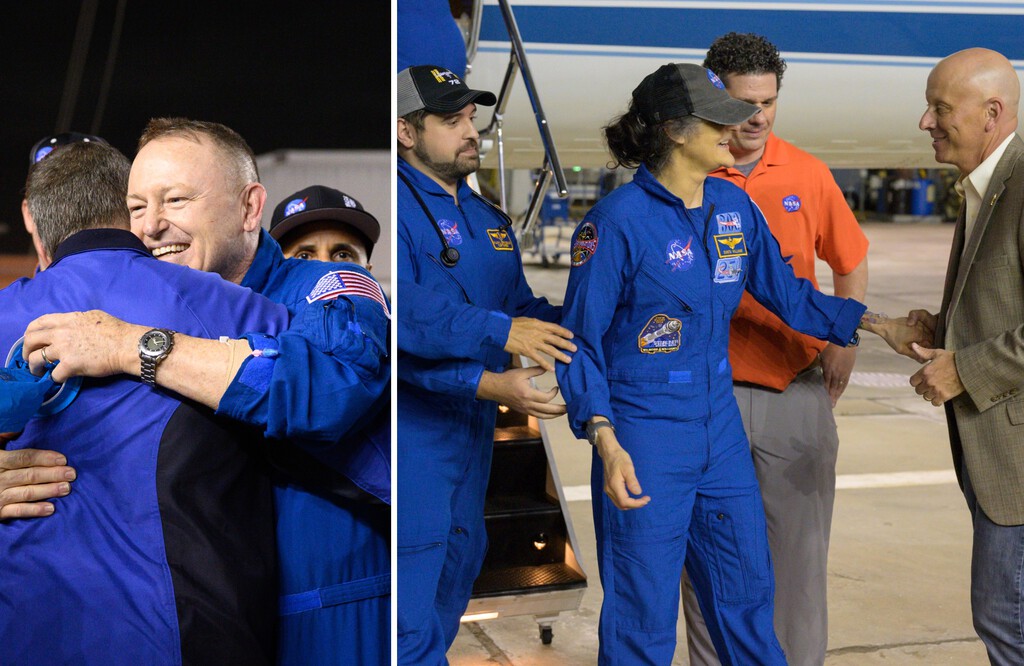
Both NASA and the European Space Agency (ESA) have studied these effects extensively. Astronauts on the ISS follow strict exercise routines to mitigate some of the damage, but longer missions inevitably lead to more pronounced changes.
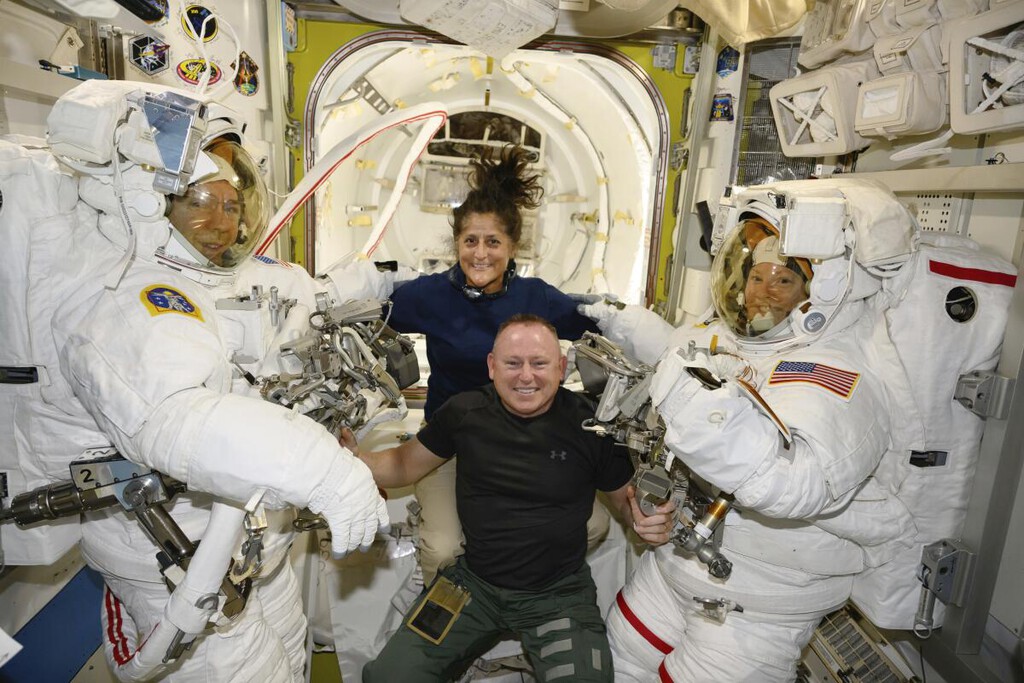
Muscle and Bone Loss
In space, astronauts lose about 1% of bone mineral density per month. Muscles, especially in the legs and back, atrophy because they are not needed to support the body. This is why astronauts often struggle to stand or walk immediately after landing.
To combat this, ISS crew members exercise for about two hours daily using specialized equipment. Despite these efforts, some loss is inevitable, and recovery on Earth can take months or even years.
Cardiovascular and Vision Changes
Without gravity, blood and other fluids shift toward the head, which can increase pressure in the skull and affect vision. Some astronauts experience vision problems that persist after returning to Earth.
The heart also undergoes changes, becoming slightly more spherical and pumping less vigorously. These adaptations are usually reversible, but the long-term effects of repeated or extended missions are still being studied.
Psychological Stress
Extended stays in space can also take a psychological toll. Confinement, isolation, and distance from family are significant stressors, though astronauts receive psychological support and maintain regular contact with loved ones.
What the Astronauts Themselves Experienced
Wilmore and Williams have both spoken about the challenges of their extended mission. They emphasized the importance of teamwork and maintaining a positive mindset. Despite the unexpected duration, they continued to conduct scientific experiments and maintenance tasks on the station. The longer history behind the story is traced in El Ajedrecista: The First Computer Game by Leonardo Torres Quevedo.
Their experience provides valuable data for future long-duration missions, including potential trips to Mars. Understanding how the body and mind adapt to extended spaceflight is crucial for planning such journeys. The background to this story is set out in NASA Starliner: Astronauts Stranded 9 Months, NASA Still Trusts Boeing. A related thread runs through NASA's Artemis III Plan: Two Dockings, Four Astronauts, and a Lunar Lander. Earlier coverage in NASA Offers $150,000 to Stop Astronauts Becoming High-Voltage Capacitors shows how the argument developed.
Key Takeaways for Future Space Travel
- Long-duration spaceflight causes measurable muscle and bone loss despite exercise countermeasures.
- Cardiovascular and vision changes are common and may require monitoring after return.
- Psychological support is essential for crew well-being during extended missions.
- Data from missions like this helps NASA plan for future trips to the Moon and Mars.
Comparison of Spaceflight Effects
| Effect | Short Missions (days) | Long Missions (months) |
|---|---|---|
| Bone density loss | Minimal | ~1% per month |
| Muscle atrophy | Low | Significant, especially legs/back |
| Cardiovascular changes | Minor | More pronounced, vision issues |
| Recovery time | Days to weeks | Months |
What to Watch Next
NASA will continue to monitor Wilmore and Williams' health as they readjust to Earth's gravity. Their data will feed into ongoing research on astronaut health, which is critical for the Artemis program and eventual Mars missions. A closer look at the same subject appears in NASA Creates Emeritus Astronaut Title as Retirements Rise. Anyone following the wider picture can start with Ex-Nasa Astronauts Launch Voting Campaign to Restore Democracy. The same theme surfaces in Mars Missions May Break Astronauts' Hearts, Study Finds, which takes a different angle.
The Starliner program also faces scrutiny, with future flights dependent on resolving the technical issues that caused this delay. Boeing and NASA are working together to ensure the spacecraft is ready for regular crew rotations. Context on how this played out before sits in Spacecraft Windows: Why Astronauts Need Them and Installation Challenges. A companion piece, Over 100 Ex-Nasa Astronauts Launch New Voting Campaign, approaches the same subject from another angle.
FAQ
How long were Butch Wilmore and Suni Williams in space?
They spent 286 days in space, from June 2024 to March 2025, after their mission was extended due to issues with the Starliner spacecraft.
What are the main health effects of long-term spaceflight?
Muscle atrophy, bone density loss, cardiovascular changes, vision problems, and psychological stress are among the most common effects.
Can astronauts recover from these effects?
Most effects are reversible with time and rehabilitation, but recovery can take months, and some changes may have long-term implications.
Why did they return on a SpaceX Crew Dragon instead of Starliner?
NASA decided to use the Crew Dragon for their return to ensure safety, as Starliner's propulsion issues needed further investigation.
Browse the Shop
 Acacia frida deluxe solid wood bed frame |
Bedroom bench |
Bed chest drawers |
Lingerie dresser |
Frame base |
Mirror with jewelry storage |
30 Bathroom Vanity |
Memory foam queen mattress |
Mattresses for back pain |
Nightstand set of 2 |
Grand Goldman Shop |
Civil Lawyer
Deutschland Trikot WM 2026







