

The first real study of menstruation in microgravity is scheduled for 2027, when two scientist-astronauts will fly on a Virgin Galactic suborbital mission called Operation Period-01. The project aims to fill a glaring gap in space health research that has persisted for decades.
Manju Bangalore and Priya Abiram, both engineers and astronaut trainees, are leading the effort with support from Redshift Lab and Virgin Galactic. Their mission will examine how the menstrual cycle behaves in the near-weightlessness of suborbital flight.
Find Original Home Decor sparking conversation at Grand Goldman Shop.

Why menstruation in microgravity has been ignored
Valentina Tereshkova became the first woman in space in 1963. Since then, roughly 100 women have traveled beyond Earth. Yet in all that time, no dedicated study has examined how microgravity affects menstruation—a monthly reality for most adult women for several decades.
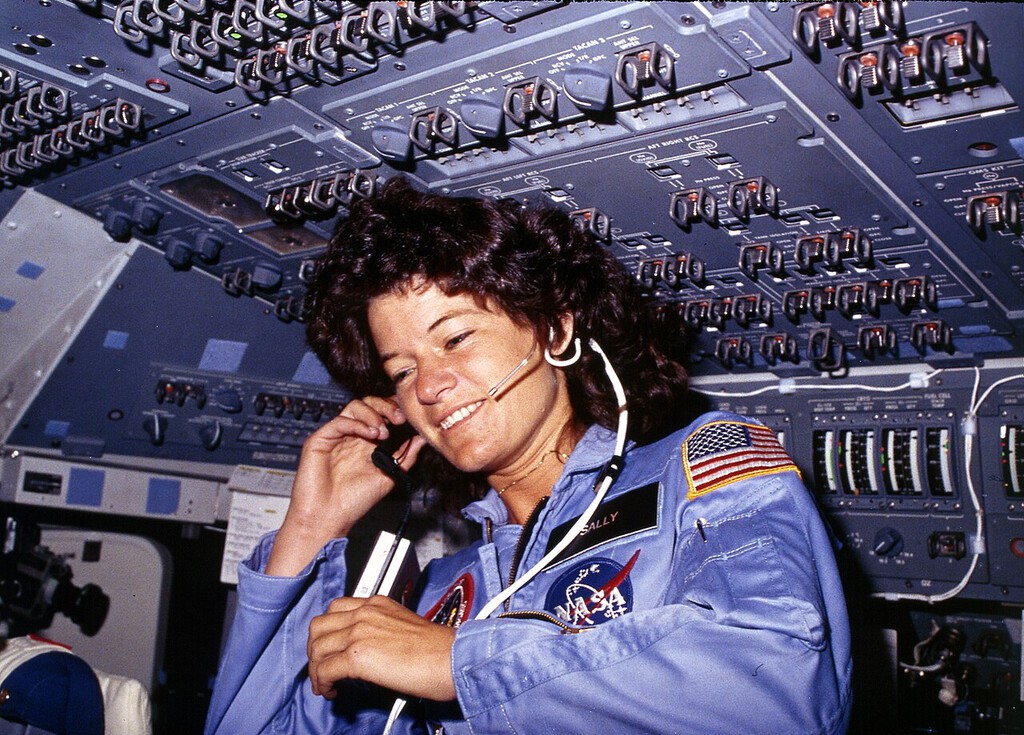
Space agencies have extensively studied bone density loss, muscle atrophy, sleep disruption, cardiovascular changes, and mental health. But menstrual health has remained absent from the research agenda, even though it affects half the population.
Bangalore and Abiram argue that this is a critical gap in astronaut health research that should have been closed long ago. Their project seeks to correct that oversight with real data from a suborbital flight.
What we already know about menstruation in space
There has been some anecdotal evidence and limited data from women who have flown in space. Historically, some female astronauts have used hormonal contraceptives to suppress menstruation during missions, partly to avoid the logistical challenges of managing periods in microgravity.
However, suppression is not the same as understanding. The lack of rigorous study means we still don't know how microgravity influences menstrual flow, cramping, or the hormonal cycle itself. Operation Period-01 aims to change that by collecting real physiological data during the flight.
The 2027 mission: Operation Period-01
Operation Period-01 will be a suborbital flight, meaning the spacecraft will briefly enter microgravity before returning to Earth. During those few minutes, the two scientists will conduct experiments and monitor physiological responses.
Suborbital flights offer a cost-effective way to study short-term effects of microgravity. While they don't replicate the sustained weightlessness of orbital missions, they provide valuable initial data that can inform future research on longer flights.
The mission is a collaboration between Redshift Lab, which provides the scientific framework, and Virgin Galactic, which supplies the flight hardware and training. If successful, it could pave the way for more comprehensive studies on the International Space Station or future commercial space stations.
Key takeaways from the mission
- First dedicated study of menstruation in microgravity, launching in 2027.
- Two scientist-astronauts will conduct experiments during a Virgin Galactic suborbital flight.
- Historic gap: despite ~100 women in space, menstrual health has never been rigorously studied.
- Potential impact: data could improve health protocols for female astronauts and space tourists.
- Collaboration: Redshift Lab and Virgin Galactic provide scientific and logistical support.
Why this study matters for the future of spaceflight
As commercial spaceflight expands, more women—including space tourists—will experience microgravity. Understanding how menstruation works in space is essential for ensuring the health and comfort of all astronauts.
Beyond astronaut health, the study could also shed light on fundamental reproductive physiology. The findings might have implications for long-duration missions to the Moon or Mars, where medical resources are limited.
Moreover, the mission highlights the importance of inclusive research. For too long, space medicine has defaulted to male physiology, and Operation Period-01 is a step toward correcting that bias.
What to watch next
The mission is slated for 2027, and the scientific community will be watching closely. The results could influence how space agencies plan for future missions and how commercial spaceflight companies prepare their passengers. The background to this story is set out in Period Poop Causes: Why Your Gut Acts Up During Menstruation. A related thread runs through NWSL 2027 Schedule: Early Start, World Cup Break Announced. Earlier coverage in Science: latest articles shows how the argument developed.
Bangalore and Abiram hope their work will inspire more research into women's health in extreme environments. They also aim to demonstrate that suborbital flights can be valuable platforms for biological studies. A closer look at the same subject appears in Astronauts Return Changed After 300 Days in Space. Anyone following the wider picture can start with NASA Seeks Four Volunteers for a Year-Long Mars Simulation. The same theme surfaces in China Tests Space Reproduction: Can Babies Be Born in Orbit, which takes a different angle.
As the launch date approaches, expect more details about the experimental design and the specific data the team will collect. This mission could mark a turning point in space health research. Context on how this played out before sits in Menopause Report Used Male Data: Why Clinical Trials Exclude Women. A companion piece, First Real Study of Menstruation in Microgravity Set for 2027, approaches the same subject from another angle.
FAQ
What is Operation Period-01?
Operation Period-01 is a 2027 suborbital mission by Virgin Galactic to study the effects of microgravity on menstruation. It is led by two scientist-astronauts, Manju Bangalore and Priya Abiram.
Why has menstruation in space not been studied before?
Historically, space research has focused on other health concerns, and menstrual health has been overlooked. Some female astronauts used contraceptives to suppress periods, which reduced the urgency for study.
How will the study be conducted?
The two scientists will conduct experiments during a suborbital flight, collecting physiological data in microgravity. The exact protocols have not been detailed yet.
What impact could this study have?
It could lead to better health guidelines for female astronauts and space tourists, and inspire more inclusive research in space medicine.
Browse the Shop
 Acacia frida deluxe solid wood bed frame |
Bedroom bench |
Bed chest drawers |
Lingerie dresser |
Frame base |
Mirror with jewelry storage |
30 Bathroom Vanity |
Memory foam queen mattress |
Mattresses for back pain |
Nightstand set of 2 |
Grand Goldman Shop |
Civil Lawyer
Deutschland Trikot WM 2026







