

Smart washing machines and fridges in 2026 are more intelligent and sophisticated than ever, but their biggest challenge is convincing you they're worth the investment. In our homes, we have appliances we don't change often unless they break down. Dishwashers, washing machines, and fridges are among those classics that usually stay with us for years. But when it's time to replace them, it's worth knowing the market trends.
It's no longer just about choosing a model for its aesthetics. In a fast-paced market where technology advances by leaps and bounds, neither fridges nor washing machines (the stars of this article) are left behind. As potential buyers, we can sometimes get lost among so much labeling. It's not just about having WiFi anymore, as was the case a few years ago: now AI functions, sensors everywhere, and features that almost turn them into automatic devices are increasingly common.
Find Original, High-end Home Decor that spark conversation at Grand Goldman Shop.
Let's review the latest trends in case you're thinking of changing your fridge or washing machine and don't want the new model to become outdated before its time.
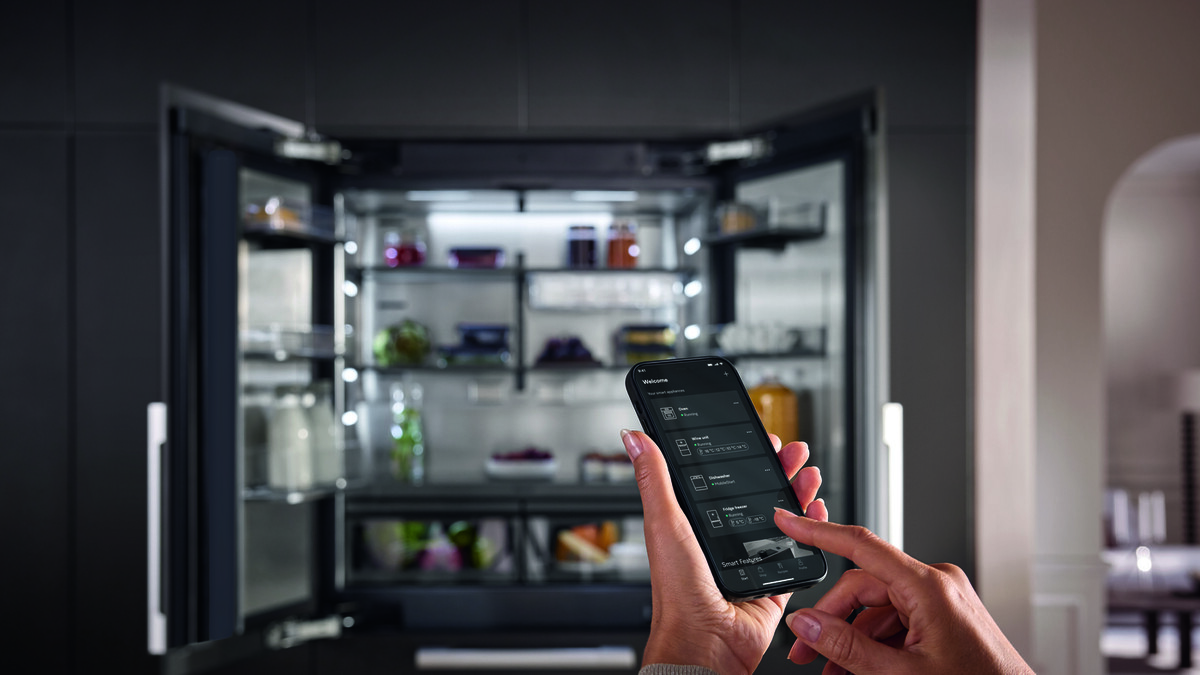
From WiFi to AI: The Evolution of Smart Appliances
Between 2025 and 2026, several clear trends are emerging in fridges and washing machines. One is especially evident: manufacturers are moving from simply adding WiFi and an app to trying to make the appliance make decisions on its own using sensors, cameras, and artificial intelligence. This is the step before having robots in our homes.

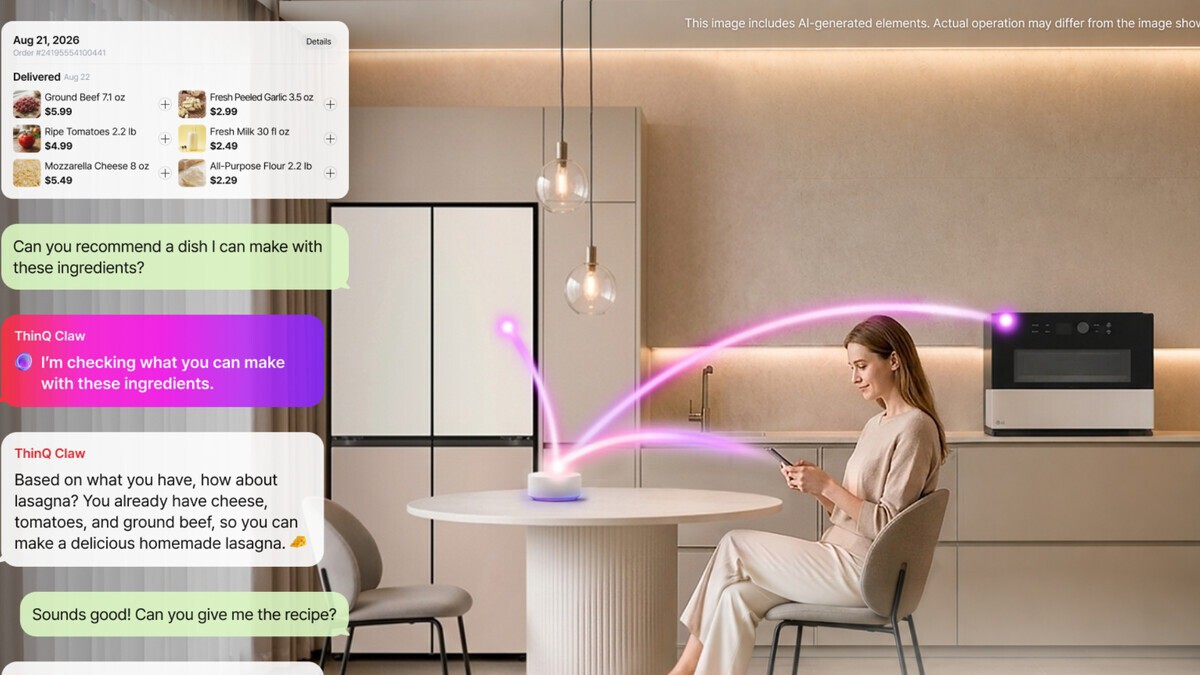
In washing machines, we're seeing features like automatic detergent dosing based on load weight and dirt level, and cycles that adjust water temperature and spin speed in real time. Fridges are getting internal cameras that let you check contents remotely and AI that suggests recipes based on what's inside.
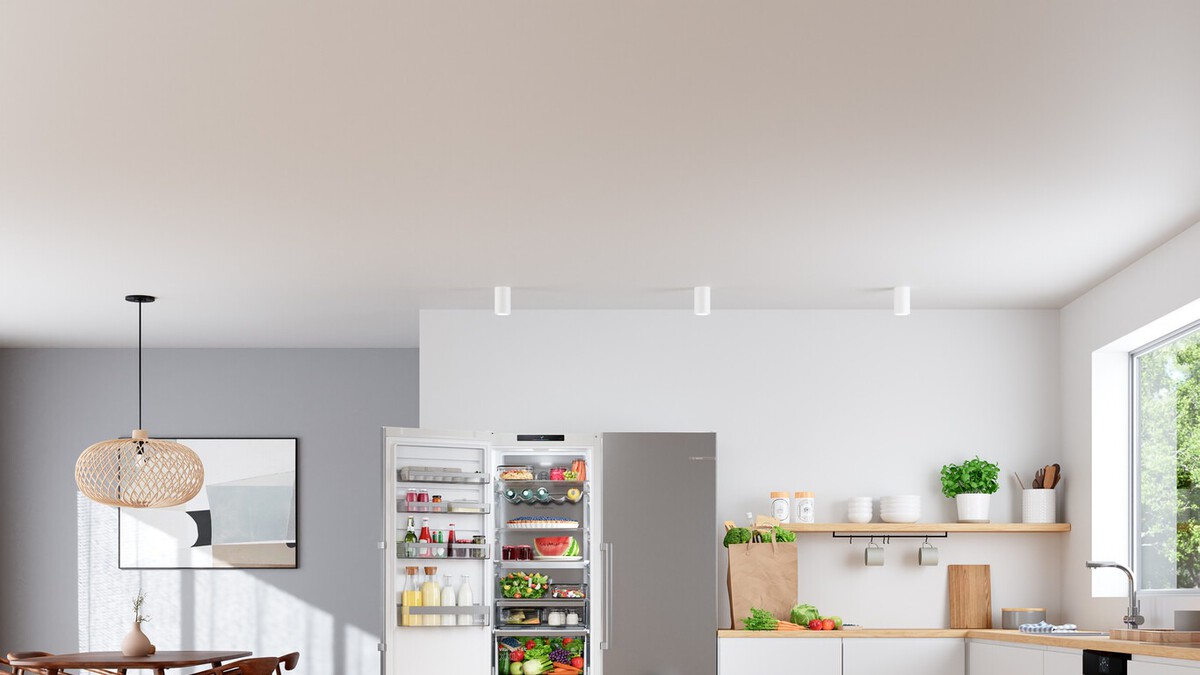
Key Trends in Smart Washing Machines
Washing machines are becoming more autonomous. Sensors detect load size, fabric type, and soil level, and AI selects the optimal cycle. Some models even have stain-removal guides that walk you through pretreatment steps.
- Auto-dosing: Detergent and softener are dispensed precisely, reducing waste.
- AI-powered stain removal: The machine recommends specific settings for tough stains.
- Smart diagnostics: The appliance alerts you to potential issues before they become major problems.
- Energy optimization: Cycles adjust to minimize water and energy use without compromising cleaning.
These features aim to save time and resources, but they also add to the upfront cost. The question is whether the convenience justifies the price.
Innovations in Smart Refrigerators
Fridges are also getting smarter. Beyond WiFi connectivity, new models include internal cameras, AI that tracks expiration dates, and even the ability to suggest meals based on available ingredients.
Some high-end fridges have touchscreens that serve as family hubs, displaying calendars and recipes. But these features can be overkill for many households. The core function—keeping food fresh—remains paramount.
Comparison Table: Smart vs. Traditional Appliances
| Feature | Smart Appliance (2026) | Traditional Appliance |
|---|---|---|
| Connectivity | WiFi, app control, voice assistants | None |
| AI & Sensors | Auto-dosing, load detection, expiration tracking | Manual settings |
| Price | Higher upfront cost | Lower upfront cost |
| Maintenance | May require software updates | Minimal |
| Energy Efficiency | Optimized cycles | Standard cycles |
As you can see, smart appliances offer clear advantages but come with higher prices and potential complexity. For many, the decision hinges on whether the extra features align with their lifestyle.
Are Smart Appliances Worth the Investment?
This is the million-dollar question. Smart appliances can save time and energy, but they also cost more and may become obsolete faster as technology evolves. Consider your habits: if you frequently forget to buy groceries or struggle with stain removal, a smart fridge or washing machine could be a game-changer. The longer history behind the story is traced in Renfe's Hackathon to Fix Its Website After €164M Failure.
However, if you prefer simplicity and reliability, a traditional appliance might serve you better. The key is to evaluate which smart features you'll actually use and whether they justify the premium. The background to this story is set out in Mini Fridges for Bathrooms: The New Beauty and Wellness Must-Have. A related thread runs through How to Replace Your Washing Machine Belt: A Step-by-Step DIY Guide. Earlier coverage in 12 Best Washing Machines for Pet Hair (Reviews) shows how the argument developed.
What to Watch Next
As we move further into 2026, expect more appliances to incorporate AI and sensors. The challenge for manufacturers will be to make these features intuitive and genuinely useful, not just gimmicks. For consumers, the best approach is to stay informed and choose appliances that fit your needs and budget. A closer look at the same subject appears in Smart Appliance Subscriptions: John Oliver Exposes Hidden Costs. Anyone following the wider picture can start with Bathroom Mini Fridges Trend: Why Demand Is Heating Up. The same theme surfaces in Volvo EX60: The Most Intelligent Car with Calm Technology, which takes a different angle.
Ultimately, smart washing machines and fridges are becoming more sophisticated, but their success depends on convincing you they're worth it. By understanding the trends, you can make a smarter decision when it's time to replace your appliances. Context on how this played out before sits in DIY Washing Machine Cabinet. A companion piece, Washing Machine Maintenance: Step-by-Step Cleaning & Repairs, approaches the same subject from another angle.
FAQ
What are the main benefits of a smart washing machine?
Smart washing machines offer convenience through auto-dosing, AI-optimized cycles, and remote control via apps. They can save time and reduce waste by using only the necessary detergent and energy.
Do smart fridges really help with grocery management?
Yes, many smart fridges have internal cameras and AI that track expiration dates and suggest recipes based on contents. This can reduce food waste and make meal planning easier.
Are smart appliances more expensive to repair?
Smart appliances may have higher repair costs due to complex electronics and software. However, smart diagnostics can catch issues early, potentially saving on major repairs.
Will my smart appliance become obsolete quickly?
Technology evolves fast, but most smart appliances are designed to last years. Regular software updates help maintain functionality, but future innovations may make some features outdated.
Browse the Shop
 Acacia frida deluxe solid wood bed frame |
Bedroom bench |
Bed chest drawers |
Lingerie dresser |
Frame base |
Mirror with jewelry storage |
30 Bathroom Vanity |
Memory foam queen mattress |
Mattresses for back pain |
Nightstand set of 2 |
Grand Goldman Shop |
Civil Lawyer
Deutschland Trikot WM 2026










