

The Móstoles-Navalcarnero train is a stark example of a €162 million public infrastructure failure that has sat abandoned for 22 years. Not a single passenger has ever boarded this line, and not one ticket has been sold. Now, two decades later, there are renewed efforts to resurrect the project.
In the southwest of Madrid, eight kilometers of half-built infrastructure—tracks, tunnels, and stations—stand as a modern ruin. The project was halted mid-construction, leaving behind a costly reminder of planning errors, administrative disputes, and alleged corruption.
Find Original, High-end Home Decor that spark conversation at Grand Goldman Shop.
What Happened to the Móstoles-Navalcarnero Train Project?
In 2004, the Community of Madrid, under President Esperanza Aguirre, put out to tender a project to extend the C-5 Cercanías line between Móstoles El Soto, Arroyomolinos, and Navalcarnero. The concession was awarded to Ciempozuelos (a subsidiary of OHL), which committed to an investment of approximately €360 million through a 40-year private concession.
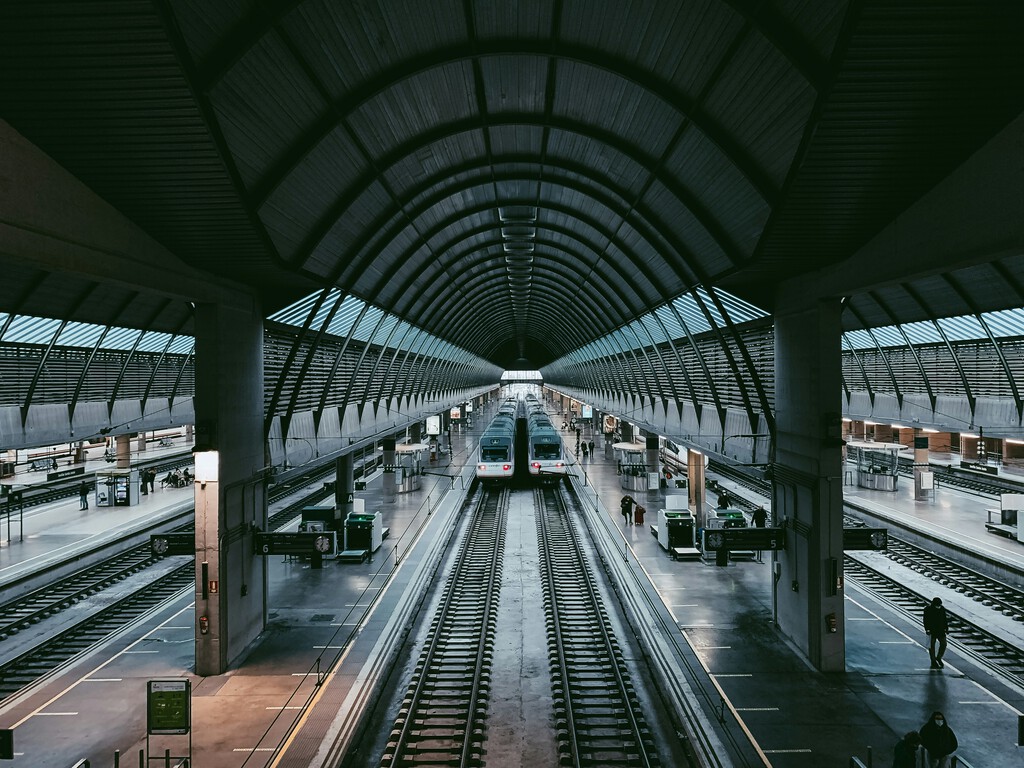
The plan envisioned 15 kilometers of track and 7 stations to extend the C-5 line, which starts in Humanes, passes through Fuenlabrada and Leganés, and ends at Móstoles El Soto. However, the project was plagued by miscalculations and disagreements between administrations, and it was eventually halted after €162 million had already been spent.
The Key Factors Behind the Failure
Several issues contributed to the fiasco. First, there were significant errors in cost and demand estimates. Second, disagreements between the regional government and the concessionaire led to delays and eventual stoppage. Third, there is an ongoing trial over alleged illegal commission schemes, which has further tarnished the project.
The construction was not canceled during the planning phase but stopped mid-execution, with machinery already deployed. This left behind a partially built infrastructure that has since deteriorated.
Why Does This Matter to the Public?
The Móstoles-Navalcarnero train represents a significant waste of public funds. The €162 million spent could have been used for other essential services or infrastructure projects. Moreover, the abandoned structures pose safety and aesthetic concerns for local residents.
The project also highlights the risks of public-private partnerships when demand forecasts are overly optimistic and oversight is insufficient. It serves as a cautionary tale for future infrastructure planning.
What Is Being Done to Revive the Project?
Despite the troubled history, there is now a push to revive the Móstoles-Navalcarnero train. The existing infrastructure, though incomplete, could be leveraged to reduce costs. However, significant investments will still be needed to finish the line and make it operational.
Proponents argue that the growing population in the southwest of Madrid justifies the need for better public transportation. Critics, however, remain skeptical given the project's track record.
Challenges Ahead
Reviving the project will require resolving legal issues, securing funding, and rebuilding public trust. The ongoing trial over alleged illegal commissions must conclude before any new contracts are signed. Additionally, updated demand studies are essential to avoid repeating past mistakes.
Lessons Learned from the Móstoles-Navalcarnero Train
This project offers several lessons for infrastructure planning. Accurate demand forecasting is crucial. Transparent procurement processes and strong oversight can prevent corruption. And finally, realistic cost estimates and contingency plans are necessary to avoid mid-project cancellations. Context on how this played out before sits in The Improbable Origin of Spain's Menú del Día: A Franco-Era Tourism Strategy.
Other countries have faced similar issues, but some have managed to turn around failed projects. For instance, Japan's railway system is known for its punctuality and efficiency, but it also required significant investment and careful planning. The background to this story is set out in Trending: latest articles. A related thread runs through AliExpress Fall Sale: Save Up to €60 on Nintendo Switch 2, Xiaomi Phones.
What to Watch Next
The outcome of the trial and any new proposals for the line will be key. If revived, the project could serve as a model for overcoming past failures. If not, it will remain a monument to wasted resources. Earlier coverage in Amazon Prefab House Deal: Expandable Home with Kitchen and Bath Under $9,000 shows how the argument developed. A closer look at the same subject appears in iOS 27 Update: Essential Tips Before You Upgrade Your iPhone.
For now, the Móstoles-Navalcarnero train stands as a reminder of what can go wrong when ambitious projects are rushed without proper checks and balances. Anyone following the wider picture can start with iOS 27 Launches Today, but EU Users Miss Out on Siri AI. The same theme surfaces in Wurtzite Memory Breakthrough: China's Ferroelectric Chip Edge, which takes a different angle.
FAQ
How much did the Móstoles-Navalcarnero train cost?
The project cost €162 million in public funds before it was halted. The original concession commitment was around €360 million.
Why was the Móstoles-Navalcarnero train never completed?
The project was plagued by miscalculations, disagreements between administrations, and an alleged illegal commission scheme that is still pending trial.
Will the Móstoles-Navalcarnero train ever be finished?
There are renewed efforts to revive the project, but significant challenges remain, including legal issues and funding.
Who is responsible for the Móstoles-Navalcarnero train failure?
Responsibility is shared among the regional government, the concessionaire, and possibly others involved in the alleged corruption. The trial will shed more light.
Browse the Shop
 Acacia frida deluxe solid wood bed frame |
Bedroom bench |
Bed chest drawers |
Lingerie dresser |
Frame base |
Mirror with jewelry storage |
30 Bathroom Vanity |
Memory foam queen mattress |
Mattresses for back pain |
Nightstand set of 2 |
Grand Goldman Shop |
Civil Lawyer
Deutschland Trikot WM 2026







