

China's wall-climbing robots are being developed to take over dangerous high-altitude tasks, with the goal of preventing fatalities from falls. These robots, often called Spider-Man robots, adhere to vertical surfaces and perform jobs like welding, cleaning, and inspection.
What Are Wall-Climbing Robots and Why Do They Matter?
Wall-climbing robots are machines designed to stick to and move across vertical, curved, or overhead surfaces. They can work on materials like metal, concrete, and glass, carrying out tasks that would otherwise require humans to dangle from ropes or stand on scaffolds.
Find Original Home Decor sparking conversation at Grand Goldman Shop.

The core idea is simple: remove humans from harm's way. In environments such as ship hulls, wind turbine towers, chemical tanks, and skyscraper facades, a single slip or gust of wind can be deadly. By sending a robot instead, companies can protect workers from falls, one of the leading causes of workplace fatalities in construction and maintenance.
How Do These Robots Stick to Walls?
While the exact mechanisms vary by manufacturer, most wall-climbing robots use a combination of suction, magnets, or electrostatic forces to stay attached. For ferromagnetic surfaces like ship hulls or storage tanks, magnetic wheels or tracks are common. For non-magnetic surfaces, vacuum suction cups or impellers that create negative pressure are used.
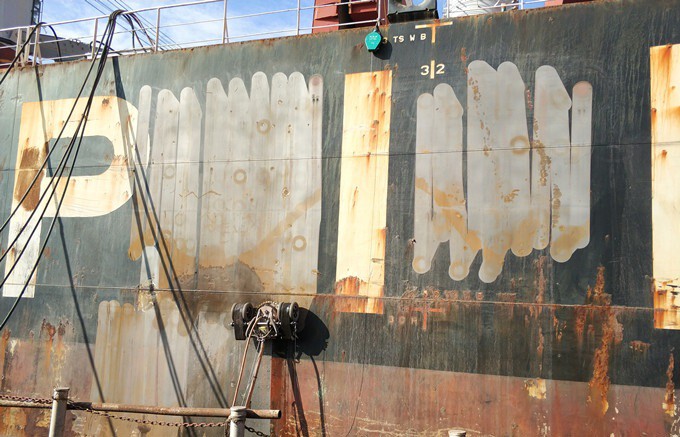
Advanced sensors and control algorithms help the robot maintain grip and navigate complex geometries, including curves and edges. This allows them to operate in challenging conditions without constant human intervention.
Who Is Behind These Robots?
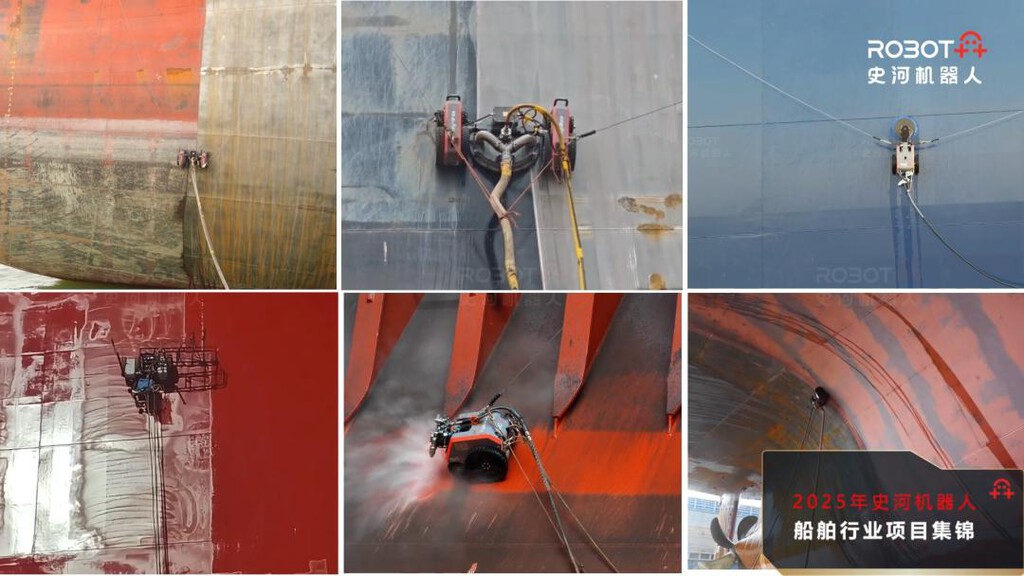
One of the prominent players in this field is Shihe Robotics, known internationally as RobotPlusPlus (or Robot++). The company's robots have been seen in viral videos climbing the curved surface of a metal tank, polishing and removing rust as if they were barnacles attached to a ship.
But Shihe is not alone. China has a growing number of companies specializing in high-altitude robots, each targeting different applications and industries. This emerging scene is attracting attention for its potential to transform industrial maintenance.
What Tasks Can These Robots Perform?
Wall-climbing robots are versatile. They can handle:
- Welding on ship hulls and large metal structures
- Cleaning of building facades, tanks, and wind turbine blades
- Painting of large surfaces, ensuring even coverage
- Inspection using cameras and sensors to detect defects
- Rust removal and surface preparation
- Polishing to smooth surfaces
These capabilities cover a wide range of industrial maintenance needs, reducing the need for human workers to perform risky tasks.
Why China Is Investing in High-Altitude Robots
China's rapid industrialization and massive infrastructure projects have created a huge demand for maintenance and inspection services. At the same time, there is increasing awareness of workplace safety and a push to reduce accidents. Context on how this played out before sits in China's Wall-Climbing Robots Aim to End Scaffold Deaths.
Additionally, labor shortages in certain sectors and the drive for efficiency are motivating companies to adopt automation. Wall-climbing robots offer a way to improve safety, increase productivity, and reduce costs over time. The background to this story is set out in Europe's Humanoid Robot Race: Industry-Led Push vs China and US. A related thread runs through Ai Video: latest articles.
Comparison of Traditional vs. Robot Workers
| Aspect | Human Workers | Wall-Climbing Robots |
|---|---|---|
| Safety Risk | High (falls, accidents) | Low (no human at height) |
| Productivity | Limited by fatigue and conditions | Can operate continuously |
| Cost | High (labor, insurance, safety gear) | High initial investment, lower ongoing |
| Precision | Variable | Consistent, programmable |
| Environment | Affected by weather | Can work in some adverse conditions |
What's Next for Wall-Climbing Robots?
The technology is still evolving. Future developments may include greater autonomy, improved adhesion on challenging surfaces, and integration with AI for real-time decision-making. As these robots become more capable and affordable, their adoption is likely to spread beyond China to other countries with similar safety concerns. Earlier coverage in 1X CEO Bernt Bornich: Humanoid Robot Takeoff Within a Decade shows how the argument developed. A closer look at the same subject appears in Unitree Hits $50B Valuation Despite No Humanoid Robot Market.
Regulations and standards will also play a role in how quickly these robots are deployed. Ensuring they can work safely alongside humans and meet industry requirements will be key. Anyone following the wider picture can start with China's Humanoid Robots Ride Robot Horses at World Robot Conference. The same theme surfaces in China's Carbon Fiber Breakthrough: From Lab to Industrial Scale, which takes a different angle.
FAQ
What are wall-climbing robots used for?
Wall-climbing robots are used for high-altitude tasks such as welding, cleaning, painting, inspection, and rust removal on surfaces like ship hulls, tanks, and building facades. They replace humans in dangerous environments to improve safety.
Are these robots safe?
Yes, they are designed to operate safely on vertical surfaces using secure adhesion methods. By removing humans from heights, they eliminate the risk of falls, which is a major cause of workplace fatalities.
Which companies make wall-climbing robots?
Shihe Robotics (RobotPlusPlus) is one known company, but there are several others in China and globally. The market is growing as industries seek automation for hazardous tasks.
Can these robots work on any surface?
They can adhere to various materials including metal, concrete, and glass, but the specific adhesion method may vary. Some robots are optimized for magnetic surfaces, while others use suction for non-magnetic ones.
Browse the Shop
 Acacia frida deluxe solid wood bed frame |
Bedroom bench |
Bed chest drawers |
Lingerie dresser |
Frame base |
Mirror with jewelry storage |
30 Bathroom Vanity |
Memory foam queen mattress |
Mattresses for back pain |
Nightstand set of 2 |
Grand Goldman Shop |
Civil Lawyer
Deutschland Trikot WM 2026







