

Jensen Huang, CEO of Nvidia, recently spoke about the loss of intellectual dexterity due to AI and why he considers it a positive development. In an interview with The New York Times columnist Ezra Klein, Huang addressed concerns about job displacement and the evolving role of human intelligence in an AI-driven world.
Huang's perspective is shaped by his position at the helm of Nvidia, a company that has become the backbone of the AI revolution. He argues that just as we don't need to understand how electricity works to benefit from it, we won't need to master certain cognitive skills that AI can handle more efficiently.
Find Original, High-end Home Decor that spark conversation at Grand Goldman Shop.
The AI Cake: A Layered Analogy
Huang describes AI as a cake with multiple layers. The bottom layers involve the technical infrastructure—chips, data centers, and algorithms—that most people never see. The top layer, which he considers most important, is the one we interact with daily: the applications and services that make AI accessible.
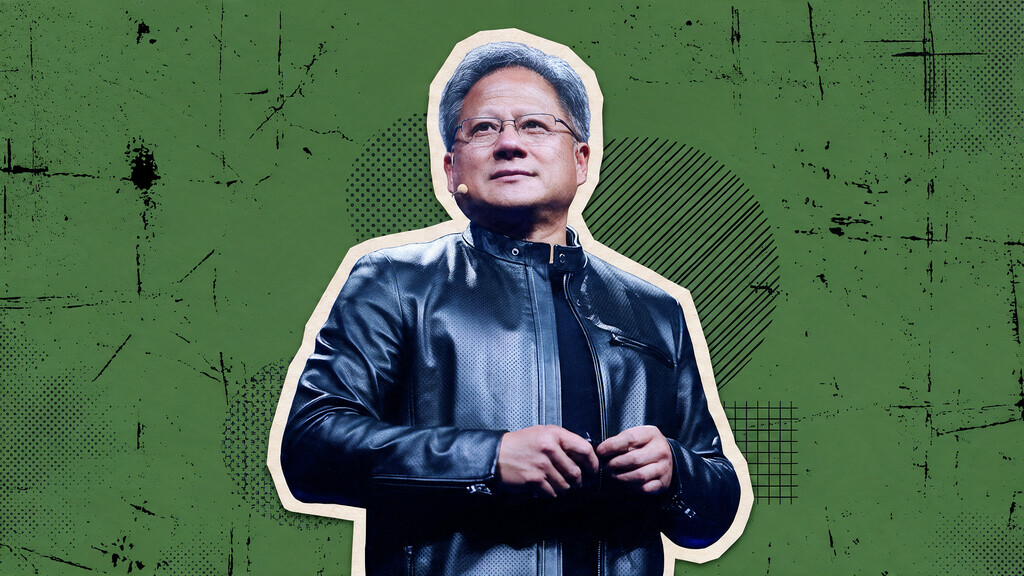
He compares AI to electricity or the internet. "We don't care how it works because it just does," Huang said. "We press a button and the light turns on. We ask Google something and it gives us an answer." This analogy underscores his belief that the complexity of AI should be hidden from end-users, allowing them to focus on outcomes rather than mechanisms.
Why Losing Intellectual Dexterity Might Be Good
The phrase "loss of intellectual dexterity" might sound alarming, but Huang frames it as a natural consequence of technological progress. Throughout history, humans have offloaded cognitive tasks to tools—from writing to calculators—freeing up mental capacity for higher-level thinking.
Huang suggests that AI will similarly handle routine intellectual tasks, enabling people to concentrate on creativity, strategy, and interpersonal skills. He argues that this shift is not a loss but a reallocation of human effort toward more valuable pursuits.
- AI as a tool: Just like calculators didn't make us worse at math but changed how we use it, AI will augment our abilities.
- Focus on outcomes: Users care about results, not the underlying technology.
- Job transformation: While some jobs may disappear, new roles will emerge that leverage human strengths.
- Historical precedent: Every major technological shift has sparked similar fears, yet humanity has adapted.
- Accessibility: AI democratizes access to capabilities once reserved for experts.
The Job Displacement Debate
Huang has consistently downplayed the threat of mass unemployment due to AI. In the interview, he reiterated that AI will create more jobs than it eliminates, particularly in fields that require human judgment and empathy. He points to the healthcare industry, where AI can assist doctors but not replace them.
However, critics argue that Huang's optimism is self-serving. As the leader of the company supplying the hardware for AI, he has a vested interest in promoting its benefits. The interview revealed a disconnect between his vision and the concerns of ordinary workers who fear for their livelihoods.
Comparing AI to Past Technological Shifts
Huang's comparison of AI to electricity and the internet is not new. Each of these technologies transformed society by making certain tasks effortless. The table below highlights key parallels.
| Technology | Impact on Skills | Job Market Effect | Public Perception |
|---|---|---|---|
| Electricity | Eliminated need for manual labor in many tasks | Created new industries, displaced some jobs | Initially feared, now taken for granted |
| Internet | Reduced reliance on memory and physical libraries | Created tech jobs, disrupted retail and media | Mixed, with ongoing concerns about privacy |
| AI | Automates cognitive tasks, enhances decision-making | Expected to create new roles, displace routine cognitive work | High anxiety, polarized views |
While the parallels are compelling, AI differs in its ability to learn and adapt, potentially accelerating the pace of change. This speed may leave less time for workers to adjust, making Huang's reassurances feel hollow to some.
What Huang's Comments Reveal About Tech Leaders
The interview also exposed a gap between Silicon Valley's optimism and the public's apprehension. Huang's casual dismissal of intellectual dexterity loss may come across as out of touch to those whose jobs are on the line. Yet, his perspective is valuable for understanding how tech leaders view the future. Context on how this played out before sits in Jensen Huang on AI and Intellectual Dexterity Loss, and Why It's Good.
Huang's focus on the top layer of the AI cake—the user experience—suggests that he believes the benefits will outweigh the costs. But for that to happen, society must invest in retraining and education to help workers transition. The background to this story is set out in Nvidia CEO Jensen Huang: 0% Chance AI Destroys World by 2030. A related thread runs through Jensen Huang's Tough Leadership Style at Nvidia Explained.
What to Watch Next
As AI continues to evolve, the debate over its impact on jobs and human cognition will intensify. Keep an eye on Nvidia's product announcements, which often signal where AI is headed. Also, watch for policy responses to AI-driven job displacement, as governments grapple with how to support affected workers. Earlier coverage in Jensen Huang Confronts Dario Amodei Over AI Safety Alarmism shows how the argument developed. A closer look at the same subject appears in BA Redundancy Legal Battle: Former Worker Fights Job Loss.
Huang's stance may evolve as public pressure mounts. For now, his message is clear: embrace AI, don't fear it. Whether that message resonates will depend on how well the technology delivers on its promises. Anyone following the wider picture can start with California AI Laws Protect Workers From Job Loss and Surveillance. The same theme surfaces in Ai Video: latest articles, which takes a different angle.
FAQ
What did Jensen Huang say about AI and intellectual dexterity?
Huang argued that losing intellectual dexterity to AI is a natural and positive outcome of technological progress. He compared AI to electricity, suggesting that we don't need to understand how it works to benefit from it.
Why does Huang think AI won't cause mass unemployment?
Huang believes AI will create more jobs than it eliminates, especially in roles requiring human judgment and empathy. He points to historical precedents where technology transformed but didn't destroy the workforce.
What is the 'AI cake' analogy?
Huang describes AI as a multi-layered cake, with the top layer being the user-facing applications. He emphasizes that most people only interact with the top layer and don't need to understand the underlying technology.
How does Huang's view compare to public perception?
Huang's optimism contrasts with widespread public anxiety about AI's impact on jobs and society. Critics argue his position is self-serving given Nvidia's role in supplying AI hardware.
Browse the Shop
 Acacia frida deluxe solid wood bed frame |
Bedroom bench |
Bed chest drawers |
Lingerie dresser |
Frame base |
Mirror with jewelry storage |
30 Bathroom Vanity |
Memory foam queen mattress |
Mattresses for back pain |
Nightstand set of 2 |
Grand Goldman Shop |
Civil Lawyer
Deutschland Trikot WM 2026










