

Magnific, the Spanish AI company led by CEO Joaquín Cuenca, is taking a stand against the flood of generic AI-generated content—often called AI slop—with its new tool, Magnific One. The platform, launched today, aims to ensure that “made with AI” doesn’t automatically mean low-quality or indistinguishable design. In a presentation, Cuenca highlighted the ubiquitous “AI aesthetic” that has taken over everything from restaurant menus to street posters, and positioned Magnific One as a solution to restore originality.
The problem is visible on any city street: countless posters and menus generated by AI look eerily similar, with golden tones, swirling cursive fonts, and sharp contrasts. While AI has made design cheaper and faster, it has also erased the distinctiveness that once came from human designers tailoring visuals to each establishment’s vibe. Magnific One seeks to change that by giving users more control and better tools to produce unique, high-quality results.
Find Original, High-end Home Decor that spark conversation at Grand Goldman Shop.
Why AI Slop Is a Growing Concern
The term AI slop refers to the deluge of low-effort, formulaic content produced by generative AI. In design, this manifests as a homogenized look that immediately signals “AI-made” and often feels impersonal. For businesses, this can undermine brand identity and customer perception. Cuenca’s comments reflect a broader industry reckoning: as AI tools become ubiquitous, the risk of everything looking the same increases, and companies must differentiate through quality and creativity.
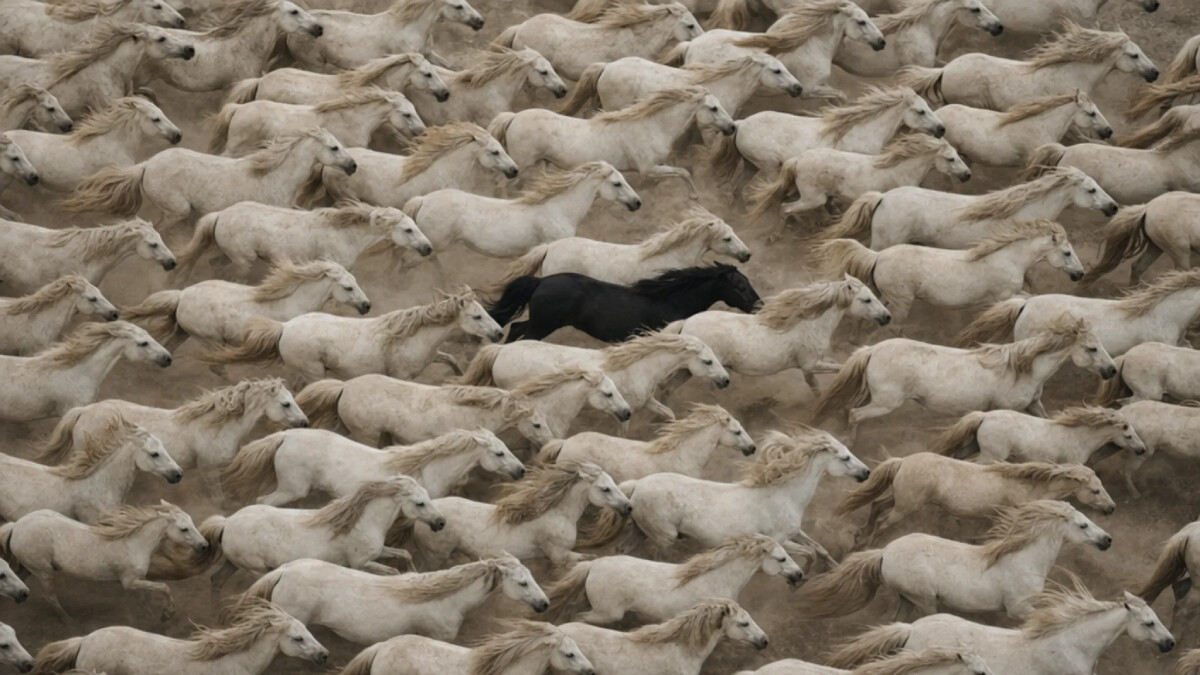
Magnific’s approach is not to reject AI but to refine it. By focusing on user control and output quality, the company hopes to shift the narrative from “AI as a shortcut” to “AI as a creative partner.” This aligns with a growing demand from professionals who want AI assistance without sacrificing uniqueness.

What Magnific One Brings to the Table
While specific features of Magnific One were not detailed in the announcement, the tool is positioned as a response to the “AI aesthetic” problem. Cuenca emphasized the need to move beyond the one-size-fits-all look that has become synonymous with AI-generated design. The goal is to empower users—whether small business owners or professional designers—to create visuals that stand out rather than blend in.
Magnific has built a reputation as one of Spain’s leading AI companies and a globally used platform. Its existing suite of AI-powered image enhancement and generation tools has been popular among creatives seeking high-resolution, detailed outputs. Magnific One likely builds on this foundation, offering improved customization and perhaps new models trained to avoid the clichés of AI design.
- AI slop describes the generic, low-quality content produced by AI, often characterized by repetitive styles and lack of originality.
- Magnific One aims to give users more control over AI-generated designs to avoid the “AI aesthetic.”
- The tool is a response to the visual homogenization seen in urban environments, such as identical restaurant menus.
- Magnific, led by CEO Joaquín Cuenca, is positioning itself as a quality-focused alternative in the AI space.
- The announcement highlights a growing industry awareness of the need for distinctive AI outputs.
The Broader Impact on Design and Branding
The rise of AI-generated design has democratized access to professional-looking visuals, but at the cost of uniqueness. Small businesses that once relied on local designers now turn to AI for quick, cheap solutions. While this has benefits, it also means many brands end up with similar-looking assets, diluting their identity. Magnific One could help by enabling users to steer AI away from default styles and toward bespoke aesthetics.
For designers, the tool might represent an opportunity rather than a threat. By automating repetitive tasks while allowing for fine-grained control, AI can free creatives to focus on strategy and originality. The key is ensuring that AI outputs are not just fast but also thoughtful. Magnific’s emphasis on avoiding slop suggests a commitment to quality that could set it apart from competitors. The longer history behind the story is traced in Magnific One AI Takes Charge of Composition, Lighting, and Style Decisions.
Comparing AI Design Approaches
Different AI design tools vary in their ability to produce unique outputs. The table below outlines key aspects to consider when evaluating such platforms. The background to this story is set out in AI Slop Cleanup Burdens Freelance Designers and Creatives. A related thread runs through Ai Video: latest articles. Earlier coverage in Why Robots Struggle to See Glass Walls and How PolarDepth Fixes shows how the argument developed.
| Aspect | Typical AI Tools | Magnific One (Positioned) |
|---|---|---|
| Output Uniqueness | Often generic, repetitive styles | Aims for distinctive, customizable results |
| User Control | Limited; relies on preset templates | Emphasizes control to avoid “AI aesthetic” |
| Target Audience | General users, quick outputs | Businesses and creatives seeking quality |
| Brand Identity | May dilute uniqueness | Focus on preserving brand distinctiveness |
What to Watch Next
As AI continues to permeate design, the conversation around slop will likely intensify. Magnific One’s success will depend on whether it can deliver on its promise of originality without sacrificing ease of use. Competitors are also aware of the issue, and we may see a wave of tools marketed as “anti-slop” solutions. For now, Magnific’s stance signals a shift toward more thoughtful AI applications. A closer look at the same subject appears in China's STEM Engineer Strategy Gives It an AI Advantage. Anyone following the wider picture can start with AI Regulation Gap: Why AI Needs Stronger Oversight Now. The same theme surfaces in Moto Watch Ultra Review: A Smartwatch for Gym and Weddings, which takes a different angle.
Businesses and creators should evaluate AI tools not just on speed and cost but on the quality and uniqueness of outputs. The visual landscape of our cities may depend on it. As Cuenca’s presentation made clear, the ghost of AI is here to stay—but it doesn’t have to be a ghost of sameness. Context on how this played out before sits in Omoda 4: The Budget Car With Lamborghini-Inspired Design. A companion piece, Magnific AI Fights the 'AI Slop' Stigma with Magnific One, approaches the same subject from another angle.
FAQ
What is AI slop?
AI slop refers to the low-quality, generic content generated by artificial intelligence, often characterized by repetitive styles and lack of originality. In design, it manifests as a homogeneous “AI aesthetic” that makes outputs look indistinguishable.
How does Magnific One address AI slop?
Magnific One aims to give users more control over AI-generated designs, allowing them to avoid the default styles that lead to slop. The tool is positioned to produce distinctive, high-quality results that preserve brand identity.
Who is Joaquín Cuenca?
Joaquín Cuenca is the CEO of Magnific, a leading Spanish AI company. He has been vocal about the need to prevent AI from homogenizing design and advocates for tools that enhance creativity rather than replace it.
Why does the “AI aesthetic” matter for businesses?
The “AI aesthetic” can make businesses look generic and undermine brand identity. Distinctive design helps attract customers and convey a unique personality, so avoiding slop is crucial for standing out in a crowded market.
Browse the Shop
 Acacia frida deluxe solid wood bed frame |
Bedroom bench |
Bed chest drawers |
Lingerie dresser |
Frame base |
Mirror with jewelry storage |
30 Bathroom Vanity |
Memory foam queen mattress |
Mattresses for back pain |
Nightstand set of 2 |
Grand Goldman Shop |
Civil Lawyer
Deutschland Trikot WM 2026










