

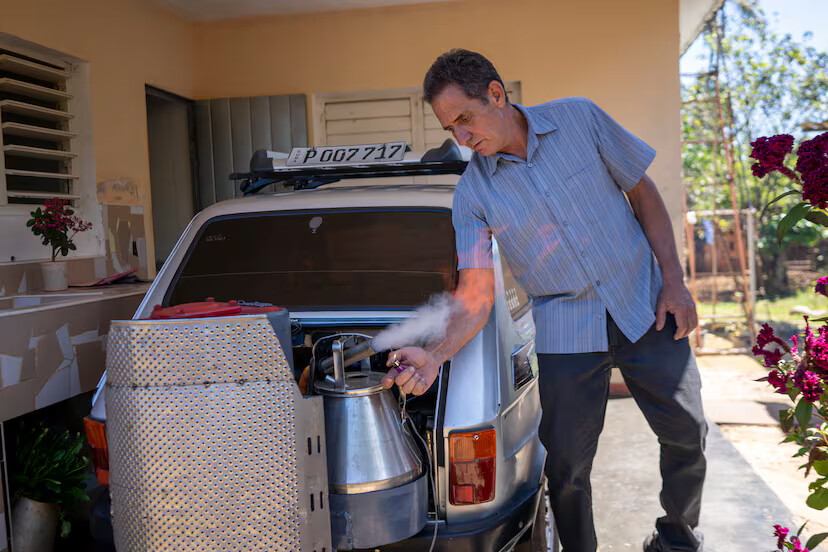
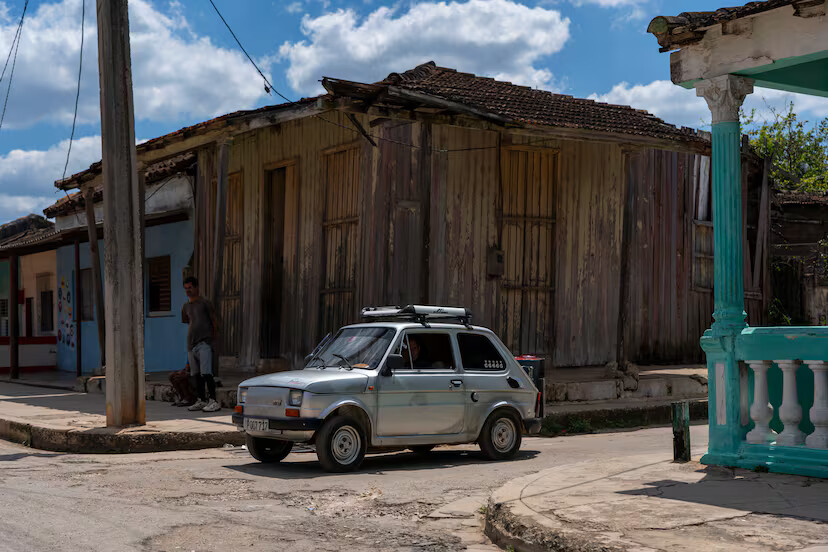
In the midst of Cuba's worst energy crisis in decades, a Cuban mechanic has turned to an unlikely fuel source: charcoal. Juan Carlos Pino, 56, has converted his 1980 Fiat Polski into a vehicle that runs on charcoal, capturing the attention of his neighbors and the world.
From his workshop in Aguacate, a town of about 5,000 people 70 kilometers east of Havana, Pino has demonstrated that ingenuity can flourish even in the most challenging circumstances. His modified car is a testament to the lengths people will go to keep moving when conventional fuel is out of reach.
Find Original Home Decor sparking conversation at Grand Goldman Shop.

The Fuel Crisis Gripping Cuba
Cuba's energy crisis has deepened dramatically since January, when the Trump administration blocked fuel supplies to the island. Gasoline has become a luxury few can afford. On the black market, a liter of fuel can cost up to eight dollars—roughly six times the official price—and power outages are a daily reality.
Adding to the misery, Venezuela, historically a key energy partner, has also halted oil shipments. The global context further complicates matters: tensions in the Strait of Hormuz and conflict in the Middle East have disrupted international oil markets. Russia has provided some relief, but according to Energy and Mines Minister Vicente de la O Levy, that supply will only last until the end of April, with no confirmation of when the next shipment might arrive.
How a Charcoal-Powered Car Works
Pino's conversion is based on gasification technology, a method used during World War II when fuel was scarce. The process involves burning charcoal in a limited-oxygen environment to produce a combustible gas mixture—mainly carbon monoxide and hydrogen—which is then fed into the engine's intake.
While the system is ingenious, it comes with trade-offs. The car's power output is reduced, and the setup requires a steady supply of charcoal. Nevertheless, for Pino and many Cubans, it's a small price to pay for mobility.
Key Takeaways from Cuba's Energy Crisis
- Fuel scarcity has forced Cubans to seek alternative energy sources for transportation.
- Charcoal gasification, though old, offers a viable stopgap solution.
- International sanctions and geopolitical tensions exacerbate Cuba's energy woes.
- Grassroots innovation highlights the resilience of the Cuban people.
Comparing Fuel Options in Cuba
With gasoline scarce and electricity unreliable, Cubans are weighing their options. The table below compares the availability, cost, and practicality of different fuel sources.
| Fuel Type | Availability | Cost | Practicality |
|---|---|---|---|
| Gasoline | Very low (black market) | ~$8 per liter | Low due to cost and scarcity |
| Diesel | Low | High | Limited to certain vehicles |
| Charcoal | Moderate (local production) | Low | Requires modification, reduces power |
| Electricity | Unreliable (frequent outages) | Low | Limited by grid instability |
Who Is Affected by the Crisis?
The energy crisis affects every Cuban, from urban dwellers in Havana to rural communities like Aguacate. Transportation is essential for accessing food, healthcare, and work, and the lack of fuel has crippled public services and private enterprise alike.
Pino's invention is more than a curiosity; it's a lifeline. It allows him to travel to neighboring towns for supplies and to offer rides to neighbors in need. His story resonates across the island, where similar adaptations are likely to emerge as the crisis drags on.
What to Watch Next
With no end in sight to the fuel shortage, Cubans will continue to improvise. The government has not announced a timeline for resolving the crisis, and international aid remains uncertain. Pino's charcoal-powered car may become a symbol of survival—and a blueprint for others. The background to this story is set out in France's Fuel Supply Crisis: How Spain Avoids Diesel Shortages.
As the situation evolves, the world watches to see how Cuba navigates this latest challenge. For now, stories of resilience like Pino's offer a glimmer of hope in a bleak landscape. A related thread runs through Italian Fiat Panda Becomes World's Narrowest Car at 50.2 cm.
FAQ
How does a charcoal-powered car work?
A charcoal-powered car uses a gasifier to burn charcoal in a low-oxygen environment, producing a combustible gas that is fed into the engine. This technology was used during World War II and can be adapted to gasoline engines with modifications.
Why is Cuba experiencing a fuel crisis?
The crisis stems from a combination of factors: the Trump administration's blocking of fuel supplies, Venezuela's halt in oil shipments, and global market disruptions due to Middle East conflicts. These have led to severe shortages and skyrocketing black market prices.
Can charcoal-powered cars be a long-term solution?
While charcoal gasification can provide temporary relief, it is not a sustainable long-term solution due to reduced engine power, the need for a steady charcoal supply, and environmental concerns. However, it demonstrates the adaptability of Cubans in the face of adversity.
What other creative solutions are Cubans using?
Cubans have long relied on ingenuity, from converting appliances to run on alternative power to using horse-drawn carts. The charcoal car is just one example of how people are coping with the energy crisis.
The broader implications of Cuba's energy crisis extend beyond transportation. As the nation grapples with blackouts and fuel scarcity, the resilience of its people shines through. For a deeper look at how the crisis is shaping daily life, see our coverage of the Cuba blackout crisis and growing resistance to US intervention. The situation is fluid, and each new development adds another layer to the story.
Understanding the roots of the crisis is crucial. The collapse of Cuba's power grid has left millions without electricity, compounding the fuel shortage. Meanwhile, the impact of US sanctions continues to reverberate through the economy, making recovery even harder.
As Pino's story shows, necessity is the mother of invention. The Cuba energy crisis is a complex tapestry of political, economic, and social factors. By examining these interconnected issues, we can better appreciate the challenges faced by ordinary Cubans and the innovative ways they respond.
Browse the Shop
 Acacia frida deluxe solid wood bed frame |
Bedroom bench |
Bed chest drawers |
Lingerie dresser |
Frame base |
Mirror with jewelry storage |
30 Bathroom Vanity |
Memory foam queen mattress |
Mattresses for back pain |
Nightstand set of 2 |
Grand Goldman Shop |
Civil Lawyer
Deutschland Trikot WM 2026







