

The Egret Unit electric scooter aims to shatter the idea that e-scooters are only for city commuting. With a claimed 100 kilometers of range and dual suspension, this German-designed model targets rural riders who face steep slopes and gravel paths. Egret, based in Hamburg, has been developing electric scooters since 2012 and designed the Unit specifically for these challenging scenarios.
Why Rural Riders Need a Different Electric Scooter
In large cities, electric scooters have become a solid alternative to bicycles, cars, and public transport. However, in rural areas with steep inclines and gravel roads, many models fall short after just a few kilometers. The Egret Unit is engineered to keep going where others quit.
Find Original, High-end Home Decor that spark conversation at Grand Goldman Shop.
This matters because rural mobility is often overlooked. While urban riders enjoy bike lanes and smooth pavement, rural commuters deal with uneven terrain and long distances. A scooter that can handle both could open up new possibilities for car-free travel outside cities.
Designed in Germany: Egret's Engineering Credentials
Egret's founder, Florian Walberg, not only leads the company but also participated in technical working groups in Brussels. These groups defined specifications for electric scooters and laid the groundwork for their regulation in Europe. That background suggests the Unit is built with regulatory awareness and technical rigor.

German engineering is often associated with precision and durability, and Egret leans into that reputation. The company's long history in the segment gives it credibility when launching a model aimed at a niche audience.
Power for Extreme Slopes: 1,890 Watts and 38 Nm
German regulations cap electric scooter speed at 20 km/h, but the Egret Unit packs a high-performance motor with 1,890 watts and 38 Nm of torque. This power isn't meant to exceed legal limits; rather, it ensures consistent thrust when rider weight and cargo come into play.
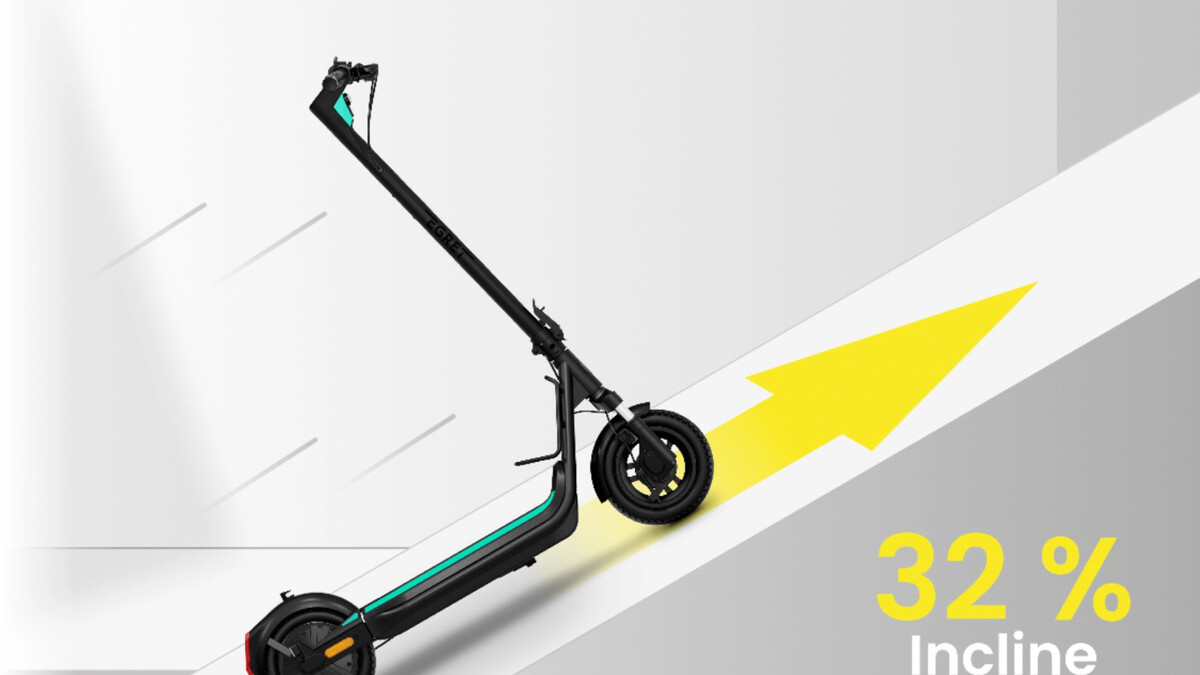
The Unit can carry up to 130 kg and climb slopes of up to 32%. For reference, the world's steepest street according to Guinness World Records has a 35% gradient. That puts the Unit's climbing ability in perspective—it can handle almost any paved or unpaved incline you'll encounter in rural settings.
Dual Suspension and Fat Tires for Gravel and Bumps
Dual suspension is a key feature that sets the Egret Unit apart from typical city scooters. It absorbs shocks from gravel, roots, and potholes, making rides smoother and safer on rough terrain. Combined with wide tires designed for stability, the Unit aims to provide confidence on surfaces that would rattle lesser scooters.
For rural riders, this means less fatigue and better control. Instead of slowing to a crawl on uneven paths, you can maintain a steady pace without feeling every bump.
Key Specifications at a Glance
- Range: Up to 100 km (claimed)
- Motor: 1,890 W, 38 Nm torque
- Max load: 130 kg
- Climbing ability: Up to 32% slope
- Suspension: Dual suspension for rough terrain
These specs position the Egret Unit as a serious option for riders who need more than a last-mile solution. The combination of range, power, and comfort is rare in the e-scooter market.
How the Egret Unit Compares to Typical City Scooters
| Feature | Egret Unit | Typical City Scooter |
|---|---|---|
| Range | Up to 100 km | 20-40 km |
| Motor power | 1,890 W | 250-500 W |
| Max load | 130 kg | 100 kg |
| Climbing ability | Up to 32% | 10-15% |
| Suspension | Dual | None or front only |
This table highlights the Unit's advantages for rural and demanding environments. It's not just a minor upgrade; it's a different class of vehicle.
Who Is the Egret Unit For?
The Egret Unit is aimed at riders who live outside dense urban areas or who regularly face hills and unpaved paths. It could appeal to commuters in hilly towns, delivery workers in rural zones, or outdoor enthusiasts who want a capable last-mile vehicle. Context on how this played out before sits in Egret Unit Electric Scooter: 100 km Range and Dual Suspension.
However, the higher power and larger battery likely come with a higher price tag and more weight. Potential buyers should weigh these factors against their daily needs. Also, local regulations may restrict where such scooters can be used, so checking laws is essential. The background to this story is set out in Car: latest articles. A related thread runs through Hyundai Ioniq 3 First Impressions: Design That Commands Attention.
What to Watch Next
As electric scooters evolve, models like the Egret Unit could push the category beyond city limits. If successful, it may encourage other manufacturers to develop rugged, long-range scooters. For now, the Unit represents a promising step toward versatile e-mobility. Earlier coverage in Jaguar Type 01: The Electric GT That Redefines Jaguar shows how the argument developed. A closer look at the same subject appears in Germany, France, Italy Unite to Relax EU Combustion Engine Ban.
Keep an eye on availability and pricing in your region, and consider test-riding one if you can. The rural mobility gap might finally be closing. Anyone following the wider picture can start with Diego Gómez's Wonder Goal Proves Fans Still Love a Big Kick. The same theme surfaces in NHS Maternity Unit Closures: Up to 20 Units May Shut, Leader Warns, which takes a different angle.
FAQ
What is the range of the Egret Unit electric scooter?
The Egret Unit claims a range of up to 100 kilometers on a single charge. This is significantly higher than most city scooters, making it suitable for longer rural trips.
Can the Egret Unit handle steep hills?
Yes, it can climb slopes of up to 32%, thanks to its 1,890-watt motor and 38 Nm of torque. That's nearly as steep as the world's steepest street.
Is the Egret Unit legal on public roads?
Legality depends on local regulations. In Germany, electric scooters are limited to 20 km/h, and the Unit is designed to comply. Check your country's laws before riding.
What is the maximum load of the Egret Unit?
The scooter can support up to 130 kilograms, which is higher than many typical e-scooters rated for 100 kilograms.
Browse the Shop
 Acacia frida deluxe solid wood bed frame |
Bedroom bench |
Bed chest drawers |
Lingerie dresser |
Frame base |
Mirror with jewelry storage |
30 Bathroom Vanity |
Memory foam queen mattress |
Mattresses for back pain |
Nightstand set of 2 |
Grand Goldman Shop |
Civil Lawyer
Deutschland Trikot WM 2026










